Table of Contents
ToggleConnecticut’s housing market has pushed more buyers toward smaller, more affordable alternatives. Tiny homes, typically under 400 square feet, offer a practical solution for first-time buyers, retirees downsizing, and anyone seeking to cut housing costs without leaving the state. But buying a tiny home in Connecticut isn’t as simple as browsing listings and signing papers. Zoning laws vary widely by town, financing options differ from traditional mortgages, and you’ll need to decide whether you want a home on wheels or a foundation. This guide walks through everything a prospective buyer needs to know before purchasing a tiny home in Connecticut in 2026.
Key Takeaways
- Tiny homes for sale in Connecticut come in three main types—mobile trailers, foundation-built structures, and prefab modular units—each with distinct zoning, financing, and mobility trade-offs that buyers must understand before purchasing.
- Connecticut’s 169 municipalities have vastly different zoning regulations with no statewide tiny home code, making it essential to contact your local zoning office before buying to confirm ADU allowances and RV residency restrictions.
- Traditional mortgages rarely apply to tiny homes; buyers typically use personal loans (6–12% interest), RV loans (4–8% for certified models), or cash purchases to finance their Connecticut tiny home purchase.
- Foundation-built tiny homes with proper insulation (R-30 ceilings, R-19 walls) and mini-split heat pumps keep winter heating costs under $100 monthly while meeting Connecticut’s frost-line footing and building code requirements.
- Budget for hidden costs beyond the purchase price, including land acquisition ($30,000–$150,000+), site preparation ($10,000–$30,000), and utility connections ($5,000–$40,000+) depending on location and infrastructure.
- Before committing to tiny home living, rent an Airbnb tiny home for a weekend to test your lifestyle compatibility, especially regarding storage limitations and daily routines in confined spaces.
Why Connecticut Is Perfect for Tiny Home Living
Connecticut’s compact geography works in favor of tiny home buyers. Most daily needs, grocery stores, healthcare, employment hubs, sit within a 15-mile radius for residents in Hartford, New Haven, and Fairfield counties. Shorter commutes mean less reliance on large garages or storage space for seasonal gear.
The state’s four-season climate does require proper insulation and heating. Tiny homes built to IRC standards for thermal performance handle Connecticut winters without the energy bills of a traditional single-family home. Spray foam insulation and mini-split heat pumps are common upgrades that keep heating costs under $100 per month, even during January cold snaps.
Connecticut also has a growing community of tiny home advocates. Local groups organize meetups, share zoning workarounds, and offer support for navigating town-specific regulations. This network proves valuable when dealing with building inspectors or planning boards unfamiliar with non-traditional housing.
Types of Tiny Homes Available in Connecticut
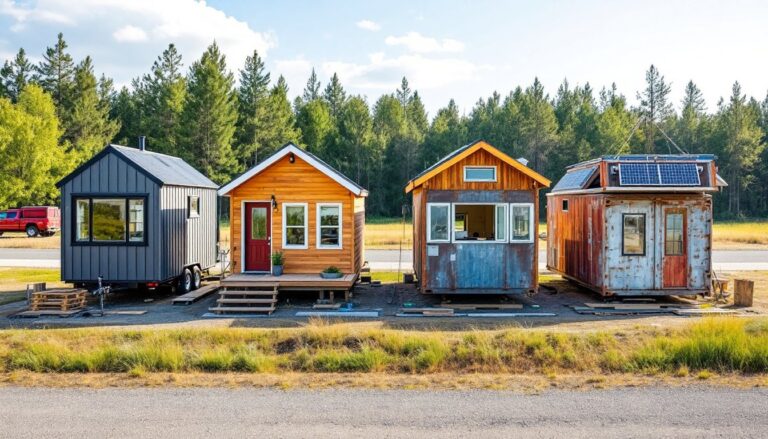
Buyers encounter three main categories: tiny homes on wheels (THOWs), foundation-built tiny homes, and prefab modular units.
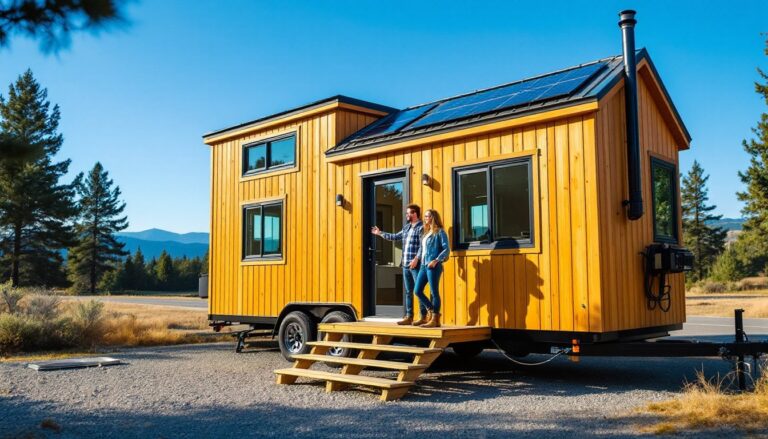
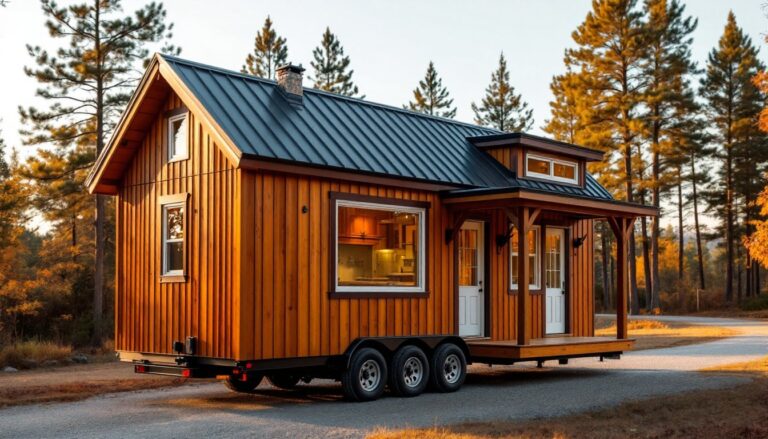
THOWs offer mobility but come with restrictions. Connecticut classifies them as recreational vehicles if they exceed certain dimensions, which limits where they can be parked long-term. Most measure 8.5 feet wide by 13.5 feet tall to stay street-legal without special permits. Builders like Tumbleweed and Tiny Heirloom dominate this market, with prices ranging from $60,000 to $120,000 depending on finishes and off-grid features.
Foundation-built tiny homes function like traditional houses but on a smaller footprint. These structures, often 200 to 600 square feet, must meet local building codes, including frost-line footings (typically 42 inches deep in Connecticut) and egress window requirements. They qualify for conventional mortgages more easily than THOWs. Expect costs between $150 and $250 per square foot for a custom build.
Prefab modular tiny homes arrive in sections and get assembled on-site. Companies like Zook Cabins and Jamaica Cottage Shop ship to Connecticut. These units meet state building codes and can be permitted as accessory dwelling units (ADUs) in towns that allow them. Prices start around $40,000 for a basic shell, not including site prep, utilities, or foundation work.
Each type has trade-offs. THOWs offer flexibility but face parking and zoning hurdles. Foundation models provide stability and financing options but lose mobility. Prefabs split the difference with faster construction timelines, usually 4 to 8 weeks from order to occupancy, but limited customization compared to a ground-up build.
Where to Find Tiny Homes for Sale in Connecticut
The search starts with understanding what’s available locally versus what requires shipping from out of state.
Online Marketplaces and Builders
General real estate platforms like Zillow and Realtor.com occasionally list tiny homes, but inventory stays thin. Specialized marketplaces like Tiny House Listings and Tiny Home Builders provide better results, filtering by state and price range. National builders with tiny home inventory nationwide often ship to Connecticut, though buyers pay freight costs, typically $2 to $4 per mile.
Local builders operate in Connecticut but stay small-scale. Custom fabricators in Litchfield and Windham counties build on-site or deliver finished units on flatbeds. Expect lead times of 6 to 12 months for custom orders. Some builders offer model tours: always inspect construction quality before committing. Check for proper flashing around windows, correctly installed vapor barriers, and structural fasteners rated for road transport if buying a THOW.
Facebook Marketplace and Craigslist turn up used tiny homes, often priced 20% to 40% below new builds. Buyers should treat these like used RV purchases: inspect the roof for leaks, test all appliances, and verify the trailer frame hasn’t been overloaded beyond its GVWR (Gross Vehicle Weight Rating). Hiring a home inspector familiar with tiny homes costs $300 to $500 but catches issues that lead to costly repairs.
Some buyers explore design strategies for maximizing space before committing to a specific model, ensuring the layout fits their daily routines.
Connecticut Zoning Laws and Tiny Home Regulations
Connecticut has no statewide tiny home code. Regulations come down to municipal zoning, which varies dramatically across the state’s 169 towns.
Most towns set minimum square footage requirements for primary dwellings, commonly 500 to 1,000 square feet, which disqualifies many tiny homes. A handful of municipalities, including parts of Hartford and New Haven, have updated codes to permit ADUs as small as 300 square feet on existing residential lots. These usually require the property owner to live in either the main house or the ADU, not rent out both.
THOWs face tighter restrictions. Towns classify them as RVs, limiting placement to RV parks or properties zoned for recreational use. Permanent residence in an RV is prohibited in most residential zones. Some owners work around this by registering their THOW as an RV, parking it on rural land zoned agricultural, and avoiding enforcement. This strategy carries risk, towns can issue cease-and-desist orders requiring removal within 30 days.
Building permits apply to foundation-built tiny homes. Buyers need to submit plans showing compliance with the 2015 International Residential Code (or the version adopted locally), including structural calculations, electrical layouts meeting NEC standards, and plumbing venting diagrams. Permit fees range from $500 to $2,000 depending on the town and project scope.
Septic and well permits add another layer. Homes under 400 square feet sometimes qualify for reduced-capacity septic systems, but soil tests and health department approvals still apply. Budget $8,000 to $15,000 for a new septic system on undeveloped land.
Before purchasing land or a tiny home, contact the local zoning office. Ask specifically about minimum dwelling size, ADU allowances, and RV residency rules. Some towns require a special use permit or variance, which involves public hearings and approval from the zoning board. This process can take 3 to 6 months and isn’t guaranteed.
Financing Your Connecticut Tiny Home Purchase
Traditional mortgages don’t cover most tiny homes. Lenders require homes to meet minimum square footage (often 600 square feet or more) and sit on a permanent foundation. THOWs rarely qualify.
Buyers use personal loans or RV loans instead. Personal loans for tiny homes carry interest rates between 6% and 12%, with repayment terms of 5 to 15 years. Credit unions and online lenders like LightStream and SoFi handle these transactions more readily than big banks. Loan amounts typically cap at $100,000 without additional collateral.
RV loans apply to certified THOWs. The home must carry an RVIA (Recreational Vehicle Industry Association) certification to qualify. Rates run slightly lower than personal loans, around 4% to 8%, but terms max out at 10 to 15 years. Down payments of 10% to 20% are standard.
Foundation-built tiny homes that meet local codes can secure conventional mortgages if they’re classified as real property. The home and land must be appraised together, and the structure needs to meet the lender’s minimum standards. This path works best for tiny homes on permanent foundations in towns with favorable zoning.
Some buyers pay cash, either from savings or by selling a larger home. Cash purchases sidestep financing hurdles and speed up closing timelines to 2 to 4 weeks.
Budget beyond the purchase price. Land costs in Connecticut vary wildly, $30,000 for a rural acre in Tolland County versus $150,000 for a quarter-acre in Fairfield County. Add site prep (grading, utilities, driveway), which runs $10,000 to $30,000 depending on access and terrain. Factor in utilities: connecting to municipal water and sewer costs $5,000 to $15,000, while off-grid setups (well, septic, solar) can exceed $40,000.
What to Consider Before Buying a Tiny Home in Connecticut
Tiny home living requires honest assessment of lifestyle needs. Start with storage. A 300-square-foot home offers roughly 10% of the storage of a 1,500-square-foot house. Buyers who can’t pare belongings down to essentials struggle. Visit a tiny home model or rent one through Airbnb for a weekend to test the reality.
Utilities demand planning. Off-grid systems appeal to buyers seeking independence but require maintenance skills. Solar panels need annual cleaning, batteries degrade after 7 to 10 years, and composting toilets require proper handling. Municipal hookups simplify life but limit where the home can be placed.
Weather durability matters in Connecticut. Tiny homes need R-30 insulation in the ceiling and R-19 in the walls to handle winter temps that dip below 10°F. Roof pitch should be at least 4:12 to shed snow. Metal roofing outlasts asphalt shingles and handles freeze-thaw cycles better.
Resale value stays uncertain. The tiny home market remains niche, and finding a buyer willing to navigate zoning restrictions and financing hurdles takes time. Homes depreciate if classified as RVs but may appreciate if built on land in desirable areas.
Insurance requirements vary. THOWs need specialty RV insurance, which covers the structure during transport and while parked. Foundation-built tiny homes qualify for standard homeowners insurance if they meet building codes. Policies typically cost $500 to $1,200 annually.
Tiny homes aren’t a universal solution. They work best for buyers who value simplicity over square footage, can navigate zoning red tape, and either have land or know where they’ll place the home long-term. Connecticut’s regulatory patchwork makes due diligence non-negotiable. Talk to town officials, inspect builds thoroughly, and understand the financial and legal hurdles before signing a purchase agreement. With proper planning, a tiny home offers an affordable, low-maintenance alternative to Connecticut’s pricey housing market, but only if the buyer does the assignments upfront.