Table of Contents
ToggleTiny homes for beginners offer an exciting path to affordable, simplified living. These compact dwellings typically measure under 400 square feet and have grown from a niche interest into a mainstream housing option. Whether someone wants to reduce their mortgage burden, minimize their environmental footprint, or simply own a home without decades of debt, tiny homes provide a practical solution.
This guide covers everything new tiny home enthusiasts need to know. From understanding different tiny home types to budgeting strategies and common obstacles, readers will find clear, actionable advice to start their tiny home journey with confidence.
Key Takeaways
- Tiny homes for beginners typically cost $30,000–$60,000, offering a debt-free alternative to traditional homeownership.
- Research local zoning laws before building or buying, as regulations vary widely and some areas prohibit tiny homes entirely.
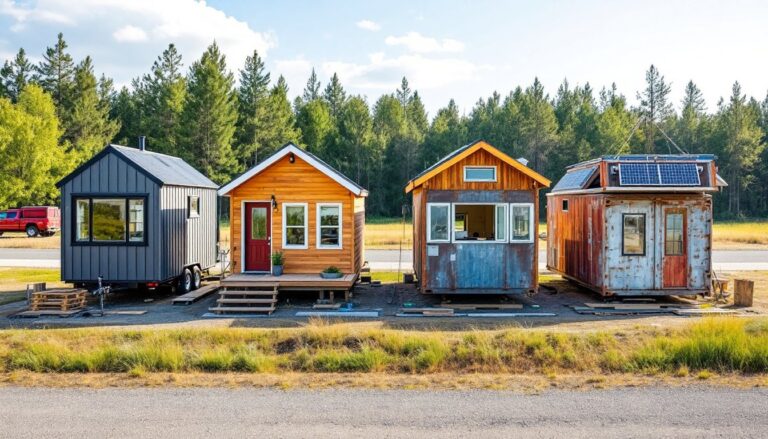
- Choose from five main tiny home types: homes on wheels, foundation-built, shipping containers, prefab kits, or converted structures like buses.
- Budget for hidden costs including insurance, land fees, permits, and maintenance, which can add $5,000–$30,000 to your initial investment.
- Start decluttering months before your move and invest in vertical storage and multi-purpose furniture to maximize limited space.
- Tiny homes use approximately 7% of the energy of traditional houses, making them an eco-friendly housing option.
What Is a Tiny Home and Why Consider One
A tiny home is a residential structure that typically ranges from 100 to 400 square feet. Some definitions extend this to 600 square feet, but most tiny home communities stick to the smaller range. These homes can be built on wheels, foundations, or even converted from shipping containers.
Tiny homes for beginners appeal for several compelling reasons:
Financial Freedom
The average tiny home costs between $30,000 and $60,000, a fraction of the median U.S. home price of over $400,000. Many owners pay cash for their tiny homes and eliminate mortgage payments entirely. This financial flexibility allows people to save more, work less, or pursue passions that a traditional mortgage might prevent.
Environmental Benefits
Smaller spaces require less energy to heat and cool. Tiny homes typically use 7% of the energy consumed by traditional houses. They also encourage owners to consume less overall, reducing their environmental impact significantly.
Simplified Lifestyle
Limited space forces intentional living. Tiny home owners must carefully choose what they keep, leading many to report reduced stress and greater life satisfaction. The tiny home movement aligns well with minimalism, though the two aren’t mutually exclusive.
Mobility Options
Tiny homes on wheels (THOWs) offer the freedom to relocate without selling property. This appeals to remote workers, retirees, and anyone who values geographic flexibility.
Types of Tiny Homes to Choose From
Tiny homes for beginners come in several distinct categories. Understanding these options helps buyers make informed decisions.
Tiny Homes on Wheels (THOWs)
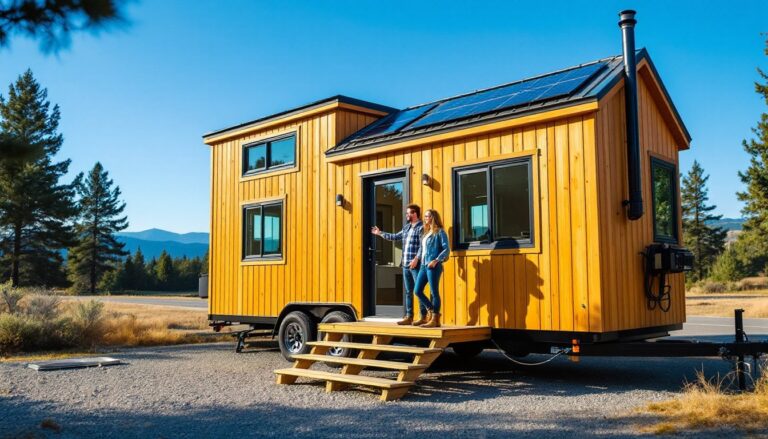
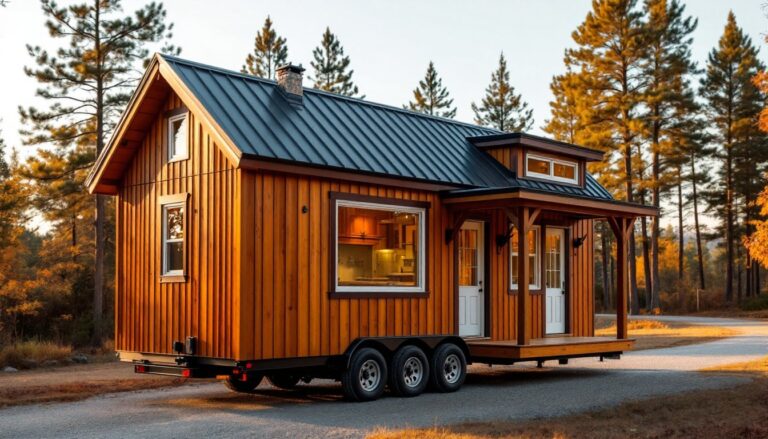
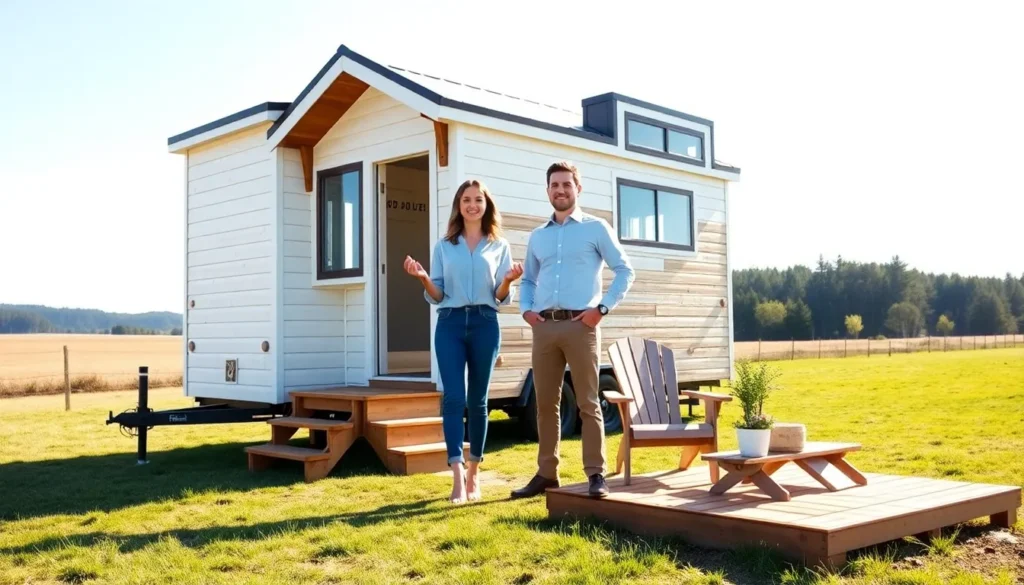
These portable structures sit on trailers and can be towed to different locations. THOWs typically max out at 8.5 feet wide and 13.5 feet tall to meet road regulations. They offer mobility but face more zoning restrictions than foundation-built homes. Many THOW owners park on private land or in designated tiny home communities.
Foundation-Built Tiny Homes
Permanent tiny homes sit on concrete foundations like traditional houses. They often face fewer legal hurdles because they can meet standard building codes. But, they lack mobility and usually require land purchase or long-term lease agreements.
Shipping Container Homes
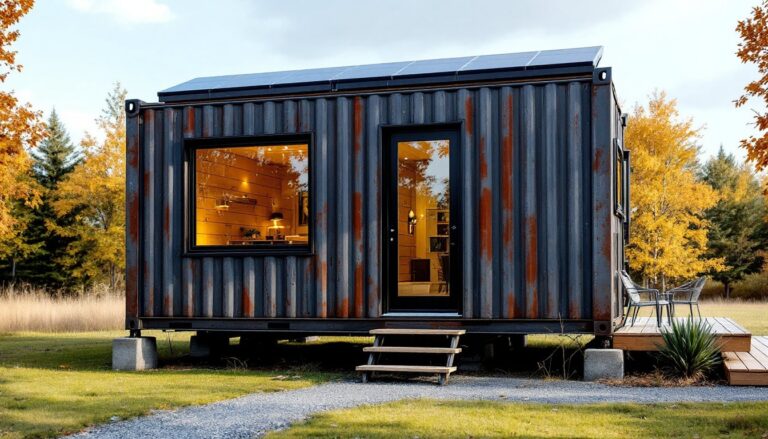
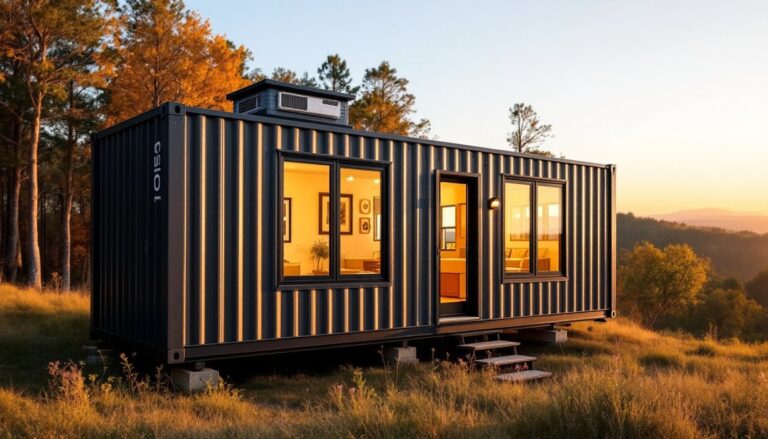
Converted shipping containers provide a durable, industrial-style option. Standard containers measure 8 feet wide by 20 or 40 feet long. They’re structurally sound and relatively affordable, though they require significant modification for comfortable living, including insulation, windows, and proper ventilation.
Prefab and Kit Homes
Prefabricated tiny homes arrive partially or fully assembled. Companies like Tumbleweed, Escape, and Amazon’s tiny home suppliers offer various models. Kit homes provide materials and plans for DIY builders. These options reduce construction time and often cost less than custom builds.
Converted Structures
Creative tiny home owners convert buses (skoolies), vans, or even sheds into living spaces. These conversions offer unique character and often cost less than purpose-built tiny homes. They require more hands-on work but allow complete customization.
Essential Steps Before Building or Buying
Tiny homes for beginners require careful planning before construction or purchase begins.
Research Local Zoning Laws
Zoning regulations vary dramatically by location. Some areas classify tiny homes as accessory dwelling units (ADUs), while others prohibit them entirely. Check with local planning departments about minimum square footage requirements, foundation rules, and whether THOWs can legally serve as primary residences.
Choose Your Location
Options include purchasing land, renting space in a tiny home community, or parking on private property with owner permission. Tiny home communities have grown significantly, over 200 exist across the U.S. as of 2024. These communities often handle zoning issues and provide utilities and amenities.
Determine Your Space Needs
Consider daily activities, storage requirements, and how many people will live in the home. A single person might thrive in 150 square feet, while a couple with pets may need 300 or more. Be realistic about lifestyle adjustments.
Decide: Build or Buy
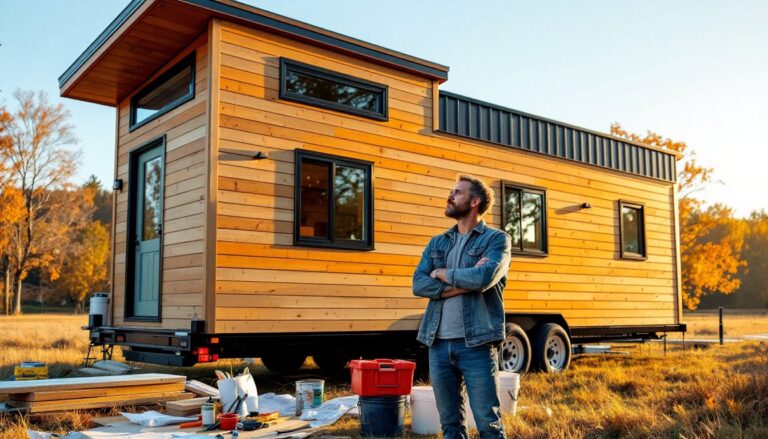
DIY builds cost less but require significant time and construction skills. Custom builds from professional builders cost more but ensure quality and often include warranties. Pre-owned tiny homes offer middle-ground pricing and immediate availability.
Plan for Utilities
Tiny homes can connect to traditional utilities or operate off-grid with solar power, composting toilets, and water collection systems. Each approach has trade-offs in cost, convenience, and legal compliance.
Budgeting and Financing Your Tiny Home
Understanding costs helps tiny homes for beginners avoid financial surprises.
Typical Cost Breakdown
- DIY tiny home on wheels: $10,000–$35,000
- Professional THOW build: $50,000–$100,000+
- Foundation tiny home: $40,000–$150,000 (plus land)
- Shipping container conversion: $15,000–$50,000
- Prefab/kit homes: $25,000–$80,000
These figures don’t include land, site preparation, utility hookups, or permits, which can add $5,000 to $30,000 depending on location.
Financing Options
Traditional mortgages rarely apply to tiny homes, especially THOWs. Alternative financing includes:
- Personal loans: Unsecured loans from banks or credit unions, typically with higher interest rates
- RV loans: Available for certified THOWs, often with better terms than personal loans
- Builder financing: Some tiny home companies offer payment plans
- Home equity loans: Homeowners can borrow against existing property equity
Many tiny home owners save and pay cash, avoiding interest entirely. This approach requires patience but provides the greatest financial freedom.
Hidden Costs to Consider
Budget for insurance (often classified as RV or personal property), land lease fees, maintenance, and potential storage costs if relocating temporarily. Annual expenses typically run $2,000–$5,000 beyond any loan payments.
Common Challenges and How to Overcome Them
Tiny homes for beginners present real obstacles. Knowing these challenges ahead of time makes them manageable.
Zoning and Legal Issues
Many municipalities haven’t updated codes to accommodate tiny homes. Solutions include targeting tiny-home-friendly areas (Texas, Colorado, and Oregon lead in acceptance), pursuing ADU classifications, or joining established tiny home communities that handle legal compliance.
Limited Space Adjustment
Downsizing from a traditional home requires significant decluttering. The transition period can feel uncomfortable. Successful tiny home dwellers recommend starting the decluttering process months before moving and using vertical storage, multi-purpose furniture, and outdoor living space to maximize functionality.
Resale Difficulties
Tiny homes can be harder to sell than traditional houses. The market remains smaller, and financing challenges affect potential buyers. THOWs may depreciate like vehicles rather than appreciating like real estate. Owners should view tiny homes primarily as lifestyle choices rather than investments.
Relationship Stress
Couples or families living in tiny spaces report increased tension, especially early on. Clear communication about space usage, dedicated alone time, and outdoor activities help maintain healthy relationships in small quarters.
Climate Considerations
Extreme temperatures challenge tiny homes more than larger structures. Proper insulation, efficient heating/cooling systems, and thoughtful design choices (like large windows for passive solar heating) address these concerns. Cold-climate tiny home owners often install propane heaters and additional insulation.