Table of Contents
ToggleTiny homes promise financial freedom and simplified living, but the true cost isn’t always what potential buyers expect. While the average price tag sits considerably lower than traditional housing, the final expense depends on build type, materials, labor, and a host of hidden factors that often catch first-time builders off guard. Whether someone’s considering a DIY build from scratch, ordering a prefab shell, or hiring a custom builder, understanding the full financial picture is crucial. This guide breaks down actual costs across different build methods, uncovers expenses that don’t show up in initial estimates, and provides practical strategies to keep a tiny home project on budget without sacrificing quality or livability.
Key Takeaways
- DIY tiny homes cost $15,000–$50,000 depending on size and materials, while prefab options range from $30,000–$80,000, and custom-built tiny homes typically run $60,000–$150,000 for turnkey solutions.
- Hidden costs like land rental ($200–$800 monthly), utilities hookup ($3,000–$10,000), and insurance ($600–$1,500 yearly) often exceed initial estimates and should be factored into total budgets.
- Strategic cost-saving methods including reclaimed materials (30–50% savings), simplified rectangular designs, handling finish work yourself, and buying materials seasonally can substantially reduce the cost of tiny homes.
- Quality investments in trailer foundations, energy-efficient windows, and mechanical systems preserve long-term durability and resale value, while savings on easily upgradeable interior finishes provide flexibility.
- Permits, inspections, and transportation for tiny homes add $500–$3,000, $300–$800, and $2–$5 per mile respectively, requiring careful budgeting before construction begins.
- Joining tiny home communities and using a graduated build approach spreads costs over time while preventing expensive mistakes through shared knowledge and practical advice.
Average Tiny Home Costs by Build Type
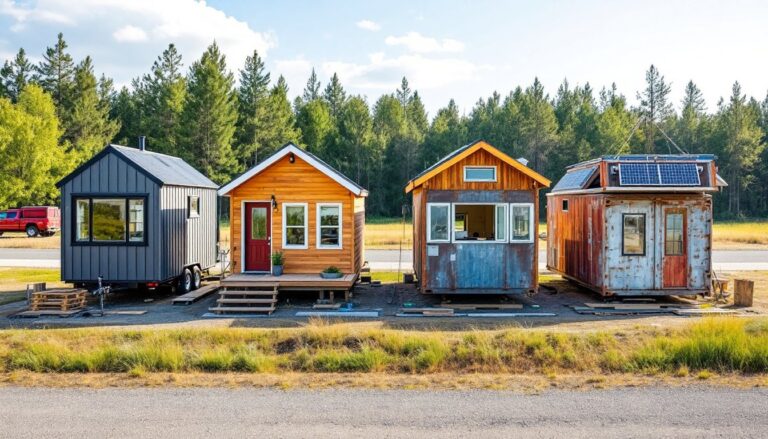
The cost of building a tiny home varies significantly based on who’s doing the work and what materials are used. Here’s a realistic breakdown of the three main approaches and what each one actually costs in 2026.
DIY Tiny Homes
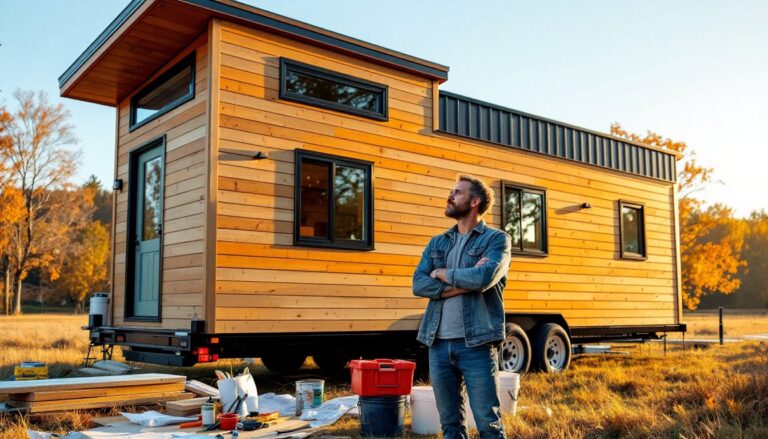
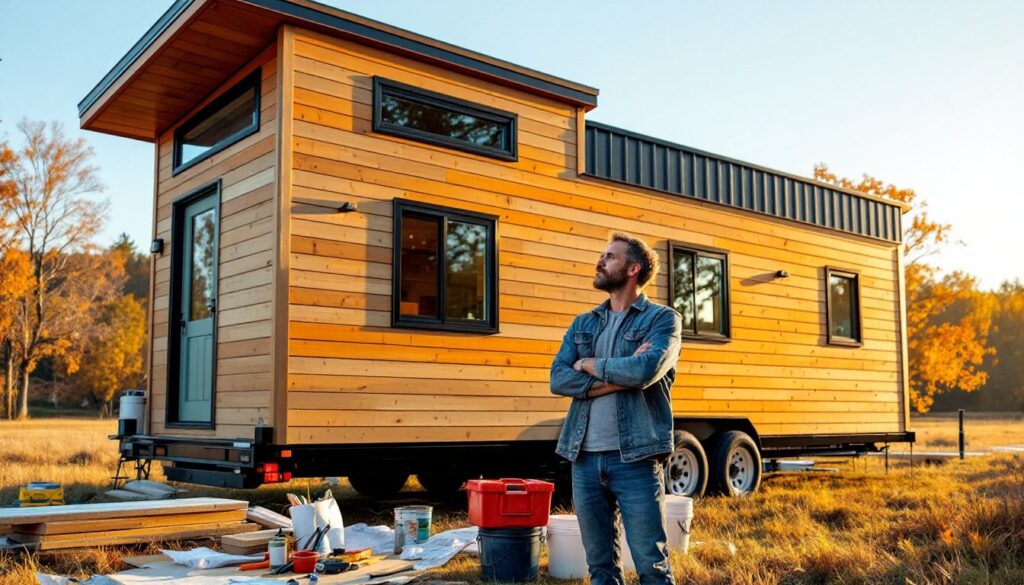
Building a tiny home from the ground up requires serious commitment, but it’s the most budget-friendly route if someone has construction skills and available time. DIY builds typically range from $15,000 to $50,000, depending on size, materials, and how much specialized labor gets outsourced.
The trailer foundation alone runs $4,500 to $7,000 for a quality triple-axle unit rated for the load. Framing lumber, sheathing, and roofing materials add another $3,000 to $6,000 for a 20-foot unit. Windows, doors, and exterior finishes can easily consume $4,000 to $8,000, especially if someone opts for energy-efficient windows with low-E coatings.
Interior finishes eat up a significant chunk of the budget. Electrical materials (wire, breakers, outlets, fixtures) cost $800 to $1,500 for a basic 30-amp system, though many builders hire a licensed electrician for final hookup and inspection, budget another $800 to $1,200 for professional work. Plumbing supplies, including PEX tubing, fixtures, and a water heater, run $1,000 to $2,500 depending on system complexity.
Insulation choices impact both cost and performance. Spray foam insulation delivers the best R-value per inch but costs $2 to $3 per square foot installed. Budget-conscious builders often use fiberglass batts ($0.50 to $1 per square foot) combined with careful air sealing.
The biggest variable in DIY builds is labor. Someone with carpentry experience and weekends to spare might finish in 6 to 12 months. Those learning as they go often stretch the timeline to 18 months or more, which extends rental costs and delays savings.
Safety note: Even in a DIY build, electrical and gas systems should be inspected by licensed professionals. Most jurisdictions require permits for structures intended as dwellings, even if they’re on wheels.
Prefab and Kit Tiny Homes
Prefab shells and complete kits offer a middle ground between DIY builds and custom construction. Prefab tiny homes range from $30,000 to $80,000 depending on finish level and what’s included.
Shell kits, which typically include framing, exterior sheathing, roofing, windows, and doors, run $20,000 to $40,000 for a 20- to 24-foot unit. The buyer handles all interior work: insulation, electrical, plumbing, finishes, and appliances. This approach suits people comfortable with finish carpentry and systems installation but who want to skip framing and exterior work.
Turnkey prefab units arrive mostly finished and cost $50,000 to $80,000 for standard models. These include electrical systems, plumbing rough-ins, insulation, interior wall finishes, and often basic cabinetry and fixtures. Premium models with upgraded materials, built-in furniture, or off-grid systems can push past $100,000.
Delivery adds $2 to $5 per mile depending on distance and route difficulty. A 500-mile delivery typically costs $1,000 to $2,500. Crane service for placement, if needed, runs $500 to $1,500 for a few hours of work.
Kit homes from established manufacturers often include engineered plans stamped by licensed professionals, which simplifies permitting. They also come with material lists and assembly instructions, reducing guesswork and limiting costly mistakes. According to industry data on tiny house costs, prefab options have grown in popularity as manufacturers improve quality and customization options.
Custom-Built Tiny Homes
Custom builders deliver a finished, move-in-ready home tailored to specific needs, but this convenience comes at a premium. Custom-built tiny homes typically cost $60,000 to $150,000 depending on size, materials, systems, and builder reputation.
A basic custom build on a standard trailer with quality but modest finishes runs $60,000 to $80,000. Mid-range builds with upgraded appliances, custom cabinetry, hardwood or luxury vinyl plank (LVP) flooring, and designer fixtures cost $80,000 to $110,000.
High-end custom homes with exceptional craftsmanship, premium materials (cedar or metal siding, quartz counters, tile showers), and advanced systems (composting toilets, solar arrays, rainwater collection) easily exceed $120,000. Builders specializing in off-grid systems or unique architectural designs often charge $150,000 or more for homes under 300 square feet.
Custom builds include all labor, materials, permits, and often a warranty on workmanship. Lead times range from 3 to 9 months depending on builder workload and project complexity. Buyers should visit completed projects, check references, and verify the builder carries liability insurance and workers’ comp coverage.
Hidden Costs and Ongoing Expenses to Consider
First-time tiny home buyers often focus on construction costs while overlooking expenses that emerge during and after the build. These hidden costs can add thousands to the final price tag.
Land and parking represent a significant ongoing expense. Few municipalities allow tiny homes on wheels in residential zones without special permits. RV parks charge $400 to $800 monthly for hookups, though many have restrictions on home age or aesthetics. Private land rental through word-of-mouth or online platforms runs $200 to $600 monthly depending on location and included utilities. Purchasing land outright costs vary wildly by region, but rural parcels suitable for a tiny home start around $15,000 to $40,000 in many areas.
Utilities hookup costs catch many builders off guard. Connecting to municipal water and sewer systems can cost $3,000 to $10,000 or more depending on distance from mains. Septic system installation runs $5,000 to $15,000 for a small aerobic or conventional system. Electrical service installation from the meter to the home costs $800 to $2,500 for trenching and materials. Off-grid builders face different expenses: solar panel arrays with battery storage cost $8,000 to $20,000 for systems sized to run a tiny home year-round.
Insurance for tiny homes isn’t straightforward. Standard homeowners policies usually don’t cover structures on wheels. RV insurance works for certified builds on tiny homes on wheels and costs $600 to $1,200 annually. Custom tiny home insurance through specialty carriers runs $800 to $1,500 yearly depending on home value and location.
Permits and inspections vary dramatically by jurisdiction. Some rural counties require minimal permitting, while others treat tiny homes like any permanent dwelling. Permit fees range from $500 to $3,000. Inspection fees for electrical, plumbing, and final occupancy add another $300 to $800. RV certification, if required, costs $1,500 to $3,000 through certified inspectors.
Transportation is often a one-time surprise cost. Moving a tiny home requires a heavy-duty truck (3/4-ton or larger) or professional transport. Professional tiny home movers charge $2 to $5 per mile with minimum fees around $500. Long-distance moves of 1,000+ miles can cost $2,000 to $5,000. Owners who relocate frequently should factor this into annual budgets.
Maintenance costs are lower than traditional homes but not zero. Roof inspections and resealing cost $200 to $400 every few years. Trailer maintenance includes tire replacement ($600 to $1,000 for a set), bearing repacking ($150 to $300), and brake service ($200 to $400). Exterior wood siding requires resealing or painting every 3 to 5 years at $500 to $1,200 depending on DIY vs. hired labor.
Ways to Save Money on Your Tiny Home Build
Cutting costs on a tiny home build requires strategic choices that preserve quality and livability while eliminating waste. Here are proven methods that actually work.
Source reclaimed materials for non-structural elements. Salvaged windows, doors, flooring, and lumber can cut material costs by 30% to 50%. Architectural salvage yards, Habitat for Humanity ReStores, and demolition sites offer quality materials at deep discounts. Inspect everything carefully, reclaimed doesn’t mean compromised. Warped lumber, cracked glass, or rotted sills aren’t bargains. Budget extra time for cleaning, refinishing, and adapting salvaged materials to fit specific dimensions.
Simplify the design to reduce both materials and labor. A rectangular floor plan uses materials more efficiently than complex shapes with multiple roof angles. Vaulted ceilings look impressive but require more framing lumber, extra insulation, and careful air sealing. Standard door and window sizes cost significantly less than custom dimensions. An 8-foot ceiling height works fine for most people and simplifies framing with standard 92-5/8″ precut studs.
Handle finish work yourself even if structural work gets outsourced. Painting, installing trim, laying flooring, and hanging cabinets don’t require specialized licenses in most jurisdictions. These tasks consume significant labor hours at professional rates. A motivated builder can learn finish carpentry through online resources and practice, saving $5,000 to $15,000 compared to hiring out every task.
Buy materials strategically rather than all at once. Lumber prices fluctuate seasonally and regionally. Buying framing lumber in winter often saves 10% to 20% compared to spring peak season. Building supply retailers run sales on windows, doors, and appliances during promotional periods. Purchasing when items go on clearance or during contractor pack sales reduces costs without sacrificing quality. Those exploring different tiny home options often find builders who offer package deals on materials.
Opt for quality where it matters, economy elsewhere. Invest in a robust trailer foundation, quality windows with good U-factors, and reliable mechanical systems. These affect long-term durability, energy costs, and resale value. Save money on interior finishes that are easy to upgrade later: paint instead of tile, laminate counters instead of stone, basic fixtures instead of designer hardware.
Join the tiny home community for advice, material swaps, and labor help. Regional tiny home groups offer build days where experienced builders help newcomers in exchange for pizza and future reciprocal assistance. These connections often lead to sourcing tips, bulk material purchases, and tool sharing that cut costs considerably. Builders researching tiny home strategies find that community knowledge prevents expensive mistakes.
Consider a graduated build approach. Move into a basic but livable shell and complete interior upgrades over time as budget allows. This accelerates the move-in date, ends rent or mortgage payments on previous housing, and spreads costs across months rather than demanding full payment upfront. Just ensure electrical, plumbing, and weatherproofing meet code before occupancy.
Tool rental beats purchasing for specialized equipment used once or twice. A pneumatic framing nailer costs $300 to buy but $40 to rent for a week. A miter saw, tile saw, and paint sprayer rental for specific phases costs a fraction of purchase prices. Reserve tool purchases for items used throughout the build: cordless drill, circular saw, level, tape measure, and speed square.
Conclusion
Building or buying a tiny home in 2026 requires careful financial planning beyond the base construction costs. Whether someone goes the DIY route, opts for a prefab kit, or hires a custom builder, understanding total expenses, including land, utilities, permits, and ongoing maintenance, prevents budget surprises. Smart material sourcing, strategic design choices, and knowing where to splurge versus save make tiny home ownership achievable for more people without compromising quality or safety.