Table of Contents
ToggleThe tiny home movement isn’t slowing down, it’s getting smarter. In 2026, simple shelters are evolving from novelty dwellings to legitimate housing solutions for people who value financial flexibility, environmental responsibility, and freedom from oversized mortgages. Whether someone’s downsizing, building a backyard ADU, or going fully off-grid, understanding the fundamentals of tiny homes and simple shelters helps turn a compelling idea into a livable reality. This guide covers what these structures are, why they work, and how to approach design, construction, and decision-making with confidence.
Key Takeaways
- Tiny homes and simple shelters range from 100 to 400 square feet and offer financial freedom through lower construction costs ($20,000 to $60,000 for DIY builds) and reduced monthly expenses compared to conventional housing.
- Environmental benefits of tiny homes include using 33% less lumber than standard homes, incorporating sustainable materials like reclaimed wood, and enabling affordable off-grid solar systems (2kW to 4kW) with battery storage.
- Tiny homes on wheels (THOWs) built on trailers offer mobility and often bypass traditional zoning restrictions by qualifying as RVs, while accessory dwelling units (ADUs) require local permits but add property value and rental income potential.
- Vertical storage, multi-function furniture, and lofts maximize small spaces without sacrificing usability; effective design includes 3 to 4 feet of loft headroom, light colors, and compact mechanicals like mini-splits and tankless water heaters.
- Building from scratch offers 40% to 60% savings over buying turnkey, but requires 300 to 800 hours of work and familiarity with permits, electrical codes (NEC), and plumbing standards for legal compliance.
- Financing tiny homes differs from conventional mortgages; options include personal loans, RV loans for mobile units, or specialized tiny home loans with 15-year terms, with costs for site prep and utility hookups ranging from $5,000 to $13,000 additional.
What Are Tiny Homes and Simple Shelters?
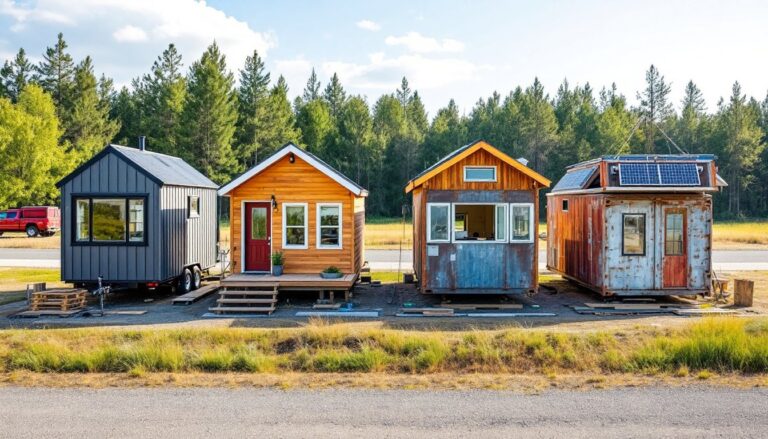
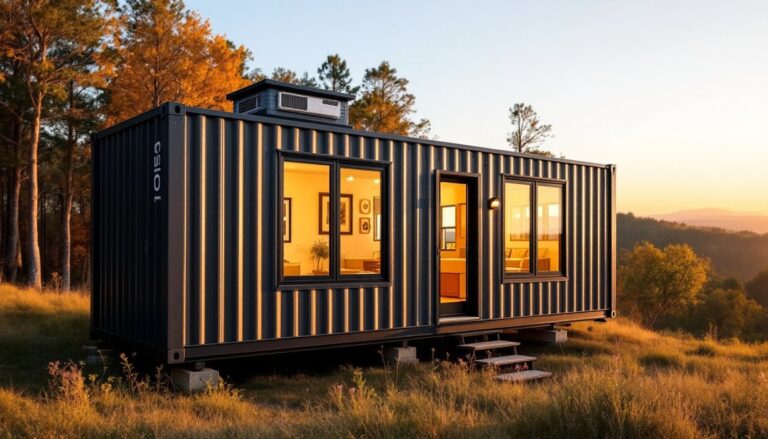
Tiny homes are permanent or mobile dwellings typically ranging from 100 to 400 square feet. They prioritize function over square footage, often built on trailers for mobility or on foundations as accessory dwelling units (ADUs). Simple shelters encompass a broader category: yurts, cabins, converted sheds, and prefab modules designed for affordability and minimal footprint.
Both share core traits, compact layouts, multi-use spaces, and an emphasis on essentials. A tiny home on a trailer might include a sleeping loft, galley kitchen, wet bath, and convertible living area. A simple shelter could be a 10×12 shed converted into a backyard office or guesthouse, or a canvas yurt with a wood stove and composting toilet.
Most tiny homes fall under 400 square feet, the threshold many jurisdictions use to classify a structure as “tiny” under zoning codes. Anything smaller than 120 square feet may be considered a shed or temporary structure, which can bypass some permitting requirements, but also limits legal occupancy. Know your local building codes and zoning ordinances before breaking ground.
Framing typically uses 2×4 studs on 16-inch or 24-inch centers, just like conventional construction, but with tighter tolerances for weight and insulation. Roof systems range from shed-style (simple, low-cost) to gable or gambrel (more headroom, better loft access). Foundations vary: pier-and-beam for site-built models, triple-axle trailers rated for 10,000+ pounds for mobile builds.
Why Choose a Tiny Home or Simple Shelter?
Financial Freedom and Lower Living Costs
The median cost to build a DIY tiny home ranges from $20,000 to $60,000, depending on size, materials, and finishes. Professionally built models can hit $80,000 to $150,000, still a fraction of conventional home prices in most markets. Monthly expenses drop sharply, no mortgage (if built outright), lower utility bills (thanks to smaller HVAC loads and energy-efficient appliances), and reduced property taxes in some jurisdictions.
Heating and cooling a 300-square-foot space costs significantly less than a 2,000-square-foot house. A mini-split heat pump rated at 9,000 to 12,000 BTU handles most climates and runs on minimal electricity. Water heaters can be tankless or even propane-powered for off-grid setups. Insurance for a tiny home on wheels averages $600 to $1,200 annually, comparable to RV coverage.
Debt reduction is a major motivator. Many people fund tiny home construction with savings, avoiding 30-year mortgages and freeing up income for other priorities. The trade-off is space, but for singles, couples, or retirees, the financial upside often wins.
Environmental Benefits and Sustainable Living
Tiny homes and simple shelters reduce material waste and energy consumption by design. A typical tiny build uses under 10,000 board feet of lumber, compared to 15,000+ for a standard single-family home. Smaller roofs mean fewer shingles in landfills: compact floor plans mean less drywall, insulation, and paint.
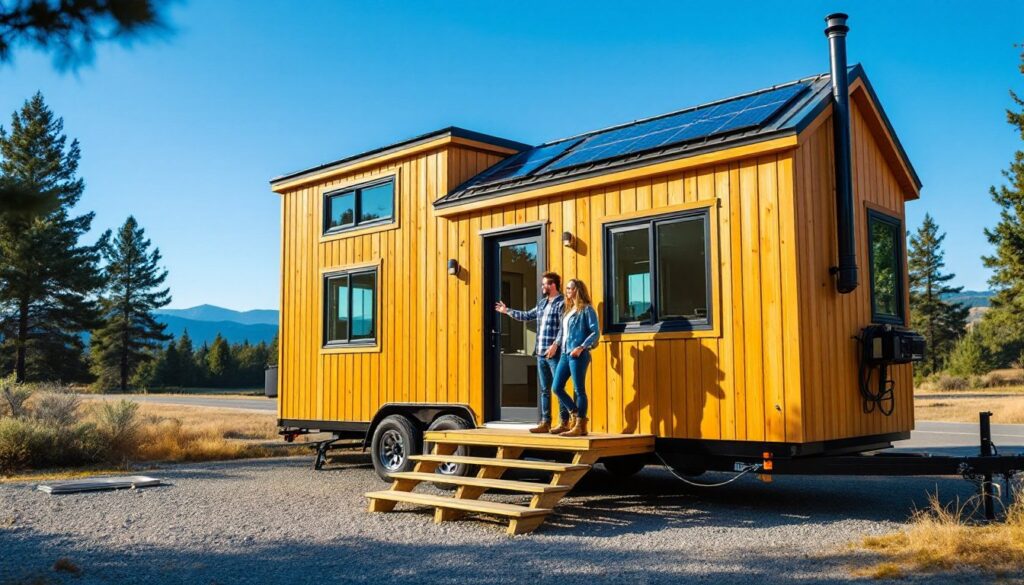
Many builders incorporate reclaimed materials, barn wood siding, salvaged windows, recycled metal roofing. Solar panel arrays for tiny homes are smaller and more affordable: a 2kW to 4kW system paired with lithium battery storage can power lights, refrigeration, and electronics off-grid. Composting toilets and greywater systems further cut environmental impact, especially in rural or off-grid builds.
The carbon footprint shrinks with square footage. Less space to heat, cool, and illuminate means lower ongoing emissions. According to research highlighted by Dwell, compact living spaces are gaining traction among eco-conscious homeowners who want sustainable options without sacrificing modern comforts.
Popular Types of Simple Shelters for Tiny Home Living
Tiny houses on wheels (THOWs) are the most recognizable format. Built on tandem or triple-axle trailers, they offer mobility and often skirt traditional zoning restrictions by qualifying as RVs. Standard trailer widths run 8.5 feet, limiting interior width to about 8 feet after wall framing and siding. Length varies from 16 to 28 feet: anything longer requires special towing permits in most states.
Accessory dwelling units (ADUs) are site-built tiny homes on permanent foundations, typically in a backyard. They must meet local building codes, including IRC standards for egress windows, ceiling heights (minimum 6’8″ in habitable rooms, 6’4″ in bathrooms), and structural loads. ADUs often require permits, utility hookups, and compliance with setback rules. They add property value and can generate rental income where zoning allows.
Prefab modules and kits offer a middle ground. Companies ship wall panels, roof trusses, and floor systems pre-cut and ready to assemble. A handy DIYer with a few helpers can frame a shell in days. Quality varies, look for structural insulated panels (SIPs) or engineered lumber for better insulation and strength.
Converted sheds provide the simplest entry point. A 12×16 shed from a big-box retailer runs $4,000 to $8,000 and can be upgraded with insulation, drywall, electrical, and plumbing. Check local codes: many jurisdictions cap shed size without a permit at 120 or 200 square feet. Adding a bathroom often triggers full building permit requirements.
Yurts and canvas structures suit seasonal or off-grid use. Modern yurts feature wood lattice frames and insulated fabric walls, with diameters from 12 to 30 feet. They’re fast to erect but may not meet year-round occupancy codes in cold climates without supplemental insulation and a robust heating source. Coverage of alternative builds often appears on sites like Curbed, which tracks emerging housing trends.
Essential Design Tips for Maximizing Small Spaces
Vertical storage is non-negotiable. In a 200-square-foot home, every wall inch counts. Install floor-to-ceiling shelving, overhead cabinets, and loft storage accessible by ladder or steep stairs. Use the cavity between studs for recessed shelving, 14.5 inches between studs on 16-inch centers gives enough depth for spice racks, medicine cabinets, or book nooks.
Multi-function furniture transforms spaces. A dining table that folds into a wall: a sofa with under-seat storage: a bed that lifts to reveal clothing drawers. Murphy beds are popular but require sturdy wall framing and proper anchoring into studs, don’t trust drywall alone. For those refining their approach, effective planning strategies help balance aesthetics with practicality.
Lofts provide sleeping or storage space without eating floor area. Standard loft headroom ranges from 3 to 4 feet, enough to sit up in bed, but not stand. Access via ladder saves space: a narrow staircase with storage drawers (called a “stair box”) costs more but improves safety and usability. Ensure guardrails meet IRC standards: minimum 36 inches high with 4-inch maximum gap between balusters.
Light and sightlines make small spaces feel larger. Use large windows where privacy allows: skylights add natural light to lofts without sacrificing wall space. Interior colors matter, white or light tones reflect light, while too many dark finishes can make a space feel cramped. Skip heavy curtains: go with cellular shades for insulation and privacy without bulk.
Efficient mechanicals keep systems compact. A 120V mini-fridge (3 to 5 cubic feet) fits under counters. A two-burner cooktop or portable induction unit replaces a full-size range. Tankless water heaters mount on walls and provide endless hot water with a small footprint. For inspiration on maximizing layout, browse small-space design galleries that showcase clever storage and multi-use furniture.
Understand that zoning codes may dictate minimum room sizes. Some jurisdictions require habitable rooms to be at least 70 square feet with a minimum dimension of 7 feet in any direction. Confirm local rules before finalizing floor plans.
Building vs. Buying: What’s Right for Your Tiny Home Project?
Building from scratch offers full control over layout, materials, and budget. DIYers with carpentry skills can save 40% to 60% compared to buying turnkey. A basic shell, framing, sheathing, roofing, windows, and doors, costs roughly $10,000 to $20,000 for a 200-square-foot build, depending on material quality and whether the structure sits on a trailer or foundation.
Expect to spend 300 to 800 hours on a DIY build, spread over several months. Framing goes fast with a helper: finish work (electrical, plumbing, cabinetry) takes longer. You’ll need a miter saw or circular saw, cordless drill, framing nailer (pneumatic or battery), level, tape measure, and speed square at minimum. Rent specialty tools like a table saw for cutting sheet goods or a pneumatic finish nailer for trim.
Permits vary widely. A THOW on a trailer may not require a building permit if classified as an RV, but you’ll still need to meet RVIA or NOAH certification standards if you want to park it legally in RV parks. Site-built ADUs require full permits, inspections, and often engineered foundation plans. Electrical work must meet NEC (National Electrical Code) standards, if you’re not a licensed electrician, hire one for rough-in and final inspection. Same goes for plumbing if you’re tying into municipal sewer or septic.
Buying a prefab or professionally built tiny home makes sense for those short on time or skills. Turnkey models arrive finished, with appliances, cabinetry, and systems installed. Costs range from $50,000 to $150,000, depending on size and finishes. You skip the learning curve and get a warranty, but customization is limited.
Prefab kits split the difference. Companies like Studio Shed or Tumbleweed sell shell kits with pre-cut framing, windows, and doors for $15,000 to $40,000. The buyer handles assembly and finishes, saving on labor while cutting material waste and design time. Builders exploring this path should review practical construction methods to understand framing, insulation, and weatherproofing basics.
Financing is trickier for tiny homes than conventional houses. Traditional mortgages don’t apply to structures under 400 square feet or on wheels. Options include personal loans, RV loans (for THOWs), or cash savings. Some lenders offer specialized tiny home loans with terms up to 15 years, but interest rates run higher than conventional mortgages.
Whether building or buying, factor in site prep, utility hookups, and transportation. A concrete slab or pier-and-beam foundation adds $3,000 to $8,000. Electric service and trenching can run $2,000 to $5,000 depending on distance from the main panel. Moving a finished THOW requires a heavy-duty truck (3/4-ton minimum) and possibly a professional hauler: budget $1 to $3 per mile.
For those considering a DIY build, having the right set of tools from the start reduces delays and improves precision. If the project involves custom design or unique space constraints, reviewing creative layout ideas can spark solutions that fit specific needs. And for anyone weighing different models or manufacturers, checking out leading examples in the market provides a benchmark for quality and features.
Make an honest assessment of skills, time, and budget. Building suits hands-on DIYers with flexible schedules and a tolerance for trial-and-error. Buying suits those who want move-in-ready living without the learning curve. Either way, start with a detailed plan, confirm legal requirements, and don’t skip the prep work.