Table of Contents
ToggleThe best tiny homes pack smart design, quality materials, and efficient layouts into spaces under 400 square feet. These compact dwellings have grown from a niche movement into a mainstream housing option. Buyers now choose tiny homes for financial freedom, environmental reasons, or simply the appeal of owning less stuff.
Finding the right tiny home takes research. Builders vary widely in quality, price, and customization options. Some specialize in mobile units on trailers, while others construct permanent foundations. This guide covers top builders, popular styles, and practical tips for selecting a tiny home that fits specific needs and budgets.
Key Takeaways
- The best tiny homes combine quality construction, smart space planning, and energy efficiency in under 400 square feet.
- Top tiny home builders like Tumbleweed, Escape Traveler, and Liberation offer options ranging from $45,000 to $150,000 depending on customization.
- RVIA certification is essential for tiny homes on wheels, making registration and parking regulations much simpler.
- Before buying, research local zoning laws carefully—some areas welcome tiny homes while others effectively ban them.
- Spend time in tiny homes before committing by touring models, renting Airbnbs, or visiting tiny home communities to ensure compact living suits your lifestyle.
- Set a realistic budget that includes an extra 10-15% for land, site preparation, utilities, and furnishing beyond the home’s base price.
What Makes a Great Tiny Home
A great tiny home balances form and function. Every square inch matters, so design choices have real consequences for daily living.
Quality Construction
The best tiny homes use durable materials that withstand transport and weather. Look for structural insulated panels, metal roofing, and moisture-resistant finishes. Cheap construction leads to problems, water damage, poor insulation, and structural issues appear within years.
Smart Space Planning
Effective tiny homes maximize vertical space. Lofted sleeping areas free up floor space for living and working. Built-in storage under stairs, benches, and beds keeps belongings organized. Multi-purpose furniture, like fold-down tables and convertible sofas, adds flexibility.
Energy Efficiency
Top tiny homes include proper insulation, energy-efficient windows, and LED lighting. Many feature solar panel compatibility or full off-grid systems. These features lower utility costs and expand location options for owners.
Legal Compliance
The best tiny homes meet building codes and certification standards. RVIA certification matters for homes on wheels, it allows registration as RVs and simplifies parking regulations. Permanent tiny homes should meet local building codes.
Thoughtful Details
Great tiny homes include full-size appliances where they count, usually the kitchen and bathroom. Adequate ventilation prevents moisture buildup. Good lighting, both natural and artificial, makes small spaces feel larger.
Top Tiny Home Builders to Consider
Several builders have earned strong reputations for producing quality tiny homes. Here’s a look at standout companies across different price points and styles.
Tumbleweed Tiny House Company
Tumbleweed pioneered the modern tiny house movement. They offer both DIY plans and finished homes ranging from $65,000 to $150,000. Their designs emphasize classic aesthetics with modern amenities. Build quality is consistent, and customer support is responsive.
Escape Traveler
Escape produces sleek, modern tiny homes with a focus on livability. Their Vista model features floor-to-ceiling windows and a starting price around $75,000. These homes work well as primary residences or rental units.
Tiny Heirloom
For buyers wanting custom tiny homes, Tiny Heirloom delivers high-end builds with unique features. Prices start around $100,000 and climb quickly with customization. They’ve built homes with hot tubs, rooftop decks, and luxury finishes.
Liberation Tiny Homes
Liberation offers affordable options starting near $45,000. Their homes are RVIA certified and built on trailer foundations. They’re a solid choice for first-time tiny home buyers watching their budget.
Wind River Tiny Homes
Wind River specializes in custom builds with modern farmhouse aesthetics. Their craftsmanship receives consistent praise from owners. Prices typically range from $80,000 to $140,000 depending on size and features.
Movable Roots
This Tennessee-based builder creates tiny homes with attention to storage solutions. Their designs prioritize practical living over trendy features. Prices fall in the mid-range, around $70,000 to $100,000.
Popular Tiny Home Styles and Designs
Tiny homes come in diverse styles to match different tastes and uses. Understanding these options helps buyers find their ideal match.
Modern Minimalist
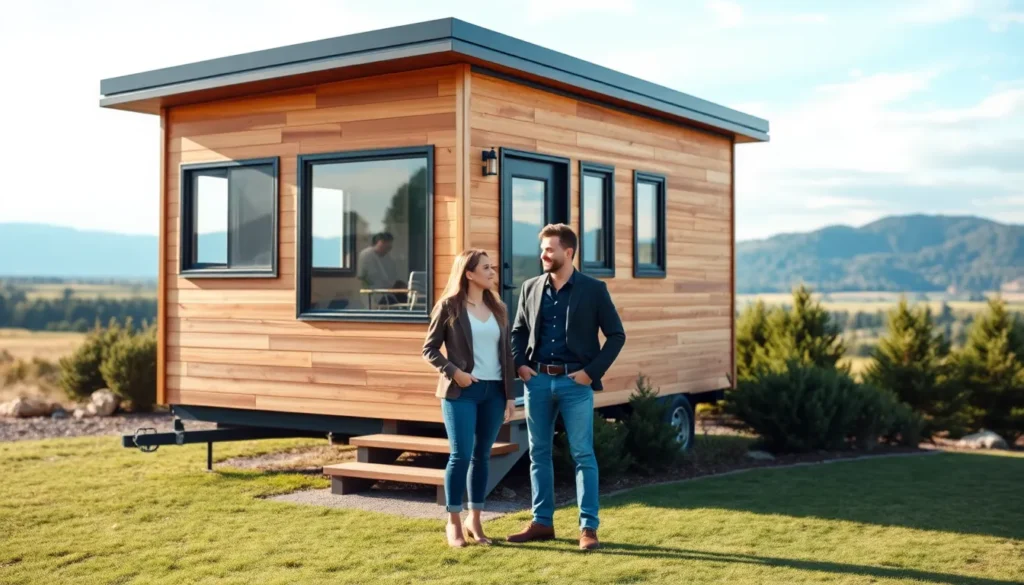
Clean lines, flat roofs, and large windows define this style. These tiny homes feature open floor plans, neutral colors, and sleek finishes. They appeal to buyers who want a contemporary aesthetic.
Rustic Cabin
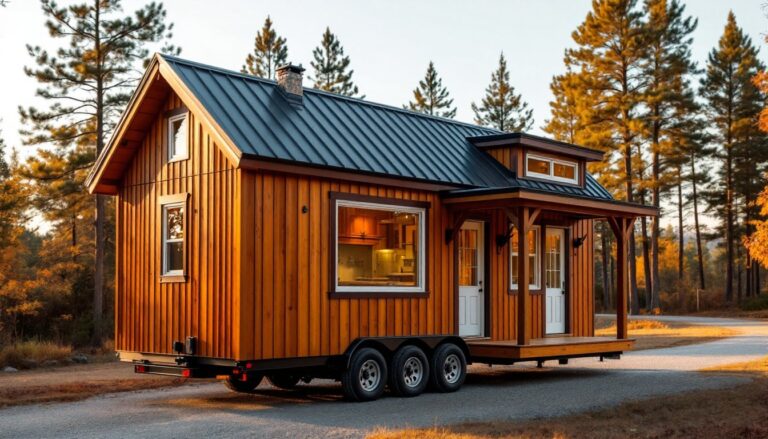
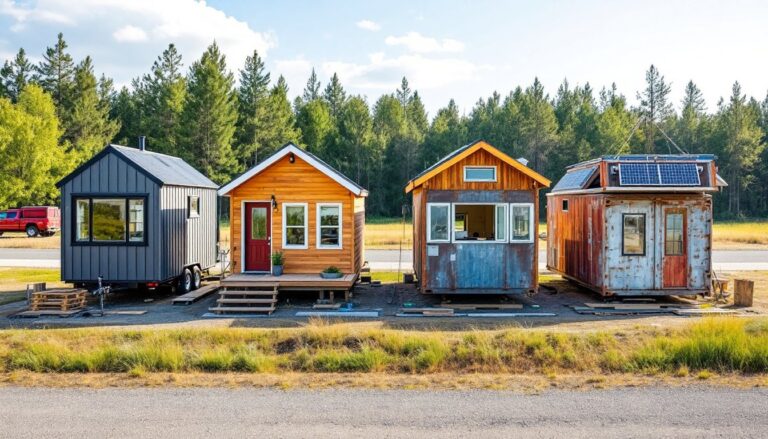
Wood siding, pitched roofs, and cozy interiors characterize cabin-style tiny homes. Many include exposed beams and stone accents. This style suits rural settings and buyers seeking a traditional feel.
Scandinavian
Light wood, white walls, and functional design mark Scandinavian-inspired tiny homes. These spaces feel bright and airy even though their small footprint. The style emphasizes simplicity and natural materials.
Industrial
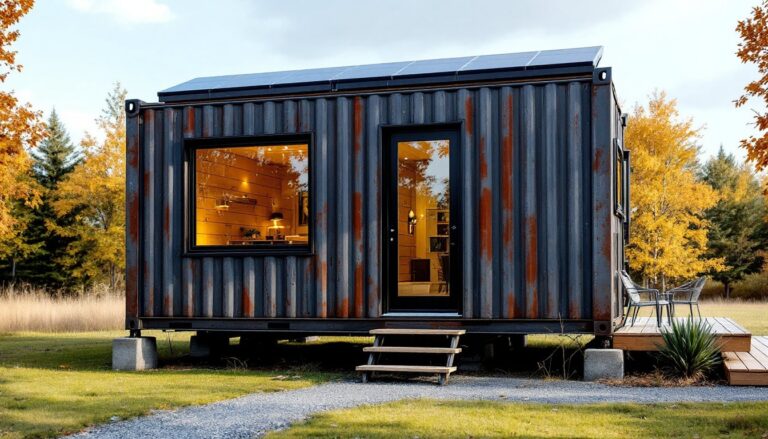
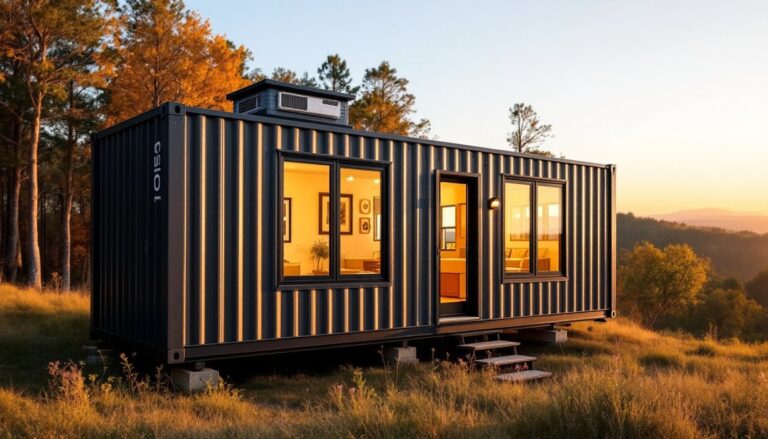
Metal accents, exposed ductwork, and concrete countertops define industrial tiny homes. Shipping container conversions often fall into this category. The style works well for urban settings.
Cottage
Charming details like window boxes, board-and-batten siding, and decorative trim create cottage-style tiny homes. These designs prioritize character over stark efficiency.
Off-Grid Ready
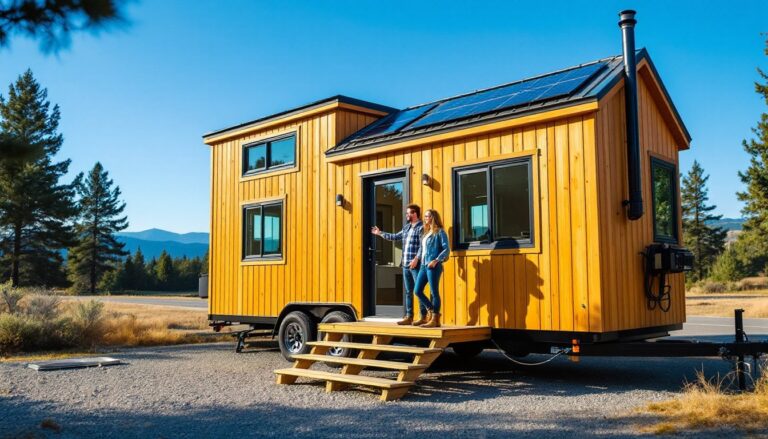
Some tiny homes prioritize self-sufficiency. They include solar panels, rainwater collection, composting toilets, and propane systems. These homes suit remote locations where utilities aren’t available.
The best tiny homes reflect their owners’ lifestyles. Someone working remotely needs dedicated office space. Outdoor enthusiasts might prioritize gear storage over a large kitchen. Style matters, but function should drive major decisions.
How to Choose the Right Tiny Home for Your Needs
Selecting among the best tiny homes requires honest assessment of lifestyle, budget, and long-term plans.
Define Your Purpose
Will this tiny home serve as a primary residence, vacation property, or rental unit? Primary residences need more storage and durability than occasional-use properties. Rental units should prioritize easy maintenance and broad appeal.
Set a Realistic Budget
Tiny homes cost between $30,000 and $150,000 depending on size, features, and builder. Add 10-15% for land, site preparation, utilities, and furnishing. Financing options exist but often carry higher interest rates than traditional mortgages.
Consider Mobility Needs
Homes on trailers offer flexibility but face parking restrictions in many areas. Foundation-built tiny homes are easier to finance and may appreciate like traditional real estate. Decide which matters more: location flexibility or investment potential.
Check Local Regulations
Zoning laws vary dramatically. Some areas welcome tiny homes: others effectively ban them. Research local rules before purchasing. Many buyers place tiny homes on rural land or in established tiny home communities to avoid zoning issues.
Plan for Storage
Downsizing requires ruthless editing of possessions. Most tiny home owners report needing more storage than expected. Look for homes with creative storage solutions or plan for external storage options.
Think Long-Term
Consider how needs might change. Couples sometimes add family members. Remote workers might need more space. The best tiny homes accommodate some life changes without major modifications.
Visit Before Buying
Spend time in tiny homes before committing. Tour model homes, rent tiny home Airbnbs, or visit tiny home communities. Physical experience reveals whether compact living suits your personality and habits.