Table of Contents
ToggleTiny homes have captured the attention of people across the United States. These compact dwellings typically measure under 400 square feet and offer an alternative to traditional housing. They appeal to minimalists, retirees, first-time buyers, and anyone seeking financial freedom. This guide explains what tiny homes are, their benefits, different types available, and key challenges to consider before making the move.
Key Takeaways
- Tiny homes are compact dwellings typically under 400 square feet, offering an affordable alternative to traditional housing.
- The average tiny home costs between $30,000 and $60,000, allowing many owners to avoid mortgages and achieve financial freedom.
- Tiny homes come in various types including those on wheels, container homes, prefab models, and accessory dwelling units (ADUs).
- Living in a tiny home reduces environmental impact, using about 7% of the energy consumed by a standard American home.
- Before investing in a tiny home, research local zoning laws and building codes, as regulations vary significantly by location.
- Renting a tiny home before committing helps you determine if the simplified, space-conscious lifestyle is right for you.
Defining a Tiny Home
A tiny home is a residential structure that ranges from 100 to 400 square feet. Some definitions extend this up to 600 square feet, but most tiny home enthusiasts stick to the smaller end. Compare that to the average American home, which spans about 2,300 square feet.
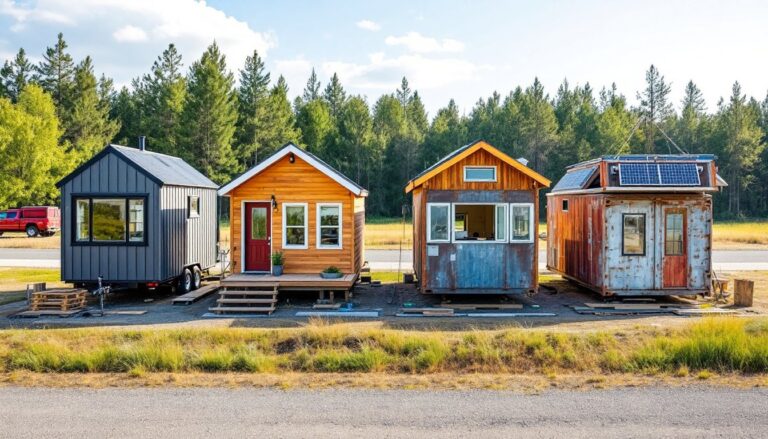
Tiny homes come in two main categories: those built on foundations and those constructed on wheels. Foundation-based tiny homes function like traditional houses but smaller. Tiny homes on wheels (THOWs) resemble trailers and offer mobility.
The tiny home movement started gaining momentum in the early 2000s. It grew significantly after the 2008 financial crisis when people looked for affordable housing options. Today, tiny homes represent a lifestyle choice centered on simplicity, sustainability, and intentional living.
These structures must still meet certain building codes, though regulations vary by location. Some areas classify tiny homes as accessory dwelling units (ADUs), while others treat them as recreational vehicles. Understanding local zoning laws is essential before purchasing or building a tiny home.
Benefits of Living in a Tiny Home
Financial Freedom
Tiny homes cost significantly less than traditional houses. The average tiny home costs between $30,000 and $60,000, while traditional homes average over $400,000. Many tiny home owners pay cash and avoid mortgages entirely. Lower utility bills, reduced property taxes, and minimal maintenance costs add to the savings.
Environmental Impact
Smaller spaces require less energy to heat and cool. Many tiny home owners incorporate solar panels, composting toilets, and rainwater collection systems. The reduced square footage means fewer building materials and a smaller carbon footprint. A typical tiny home uses about 7% of the energy consumed by a standard American home.
Simplified Lifestyle
Limited space forces intentional choices about possessions. Tiny home living encourages people to keep only what they truly need and use. This decluttered approach often leads to less stress and more time for experiences rather than maintaining belongings.
Flexibility and Mobility
Tiny homes on wheels allow owners to relocate without selling property. This appeals to remote workers, travel enthusiasts, and those who value location independence. Some people move their tiny homes seasonally to enjoy different climates.
Common Types of Tiny Homes
Tiny Houses on Wheels
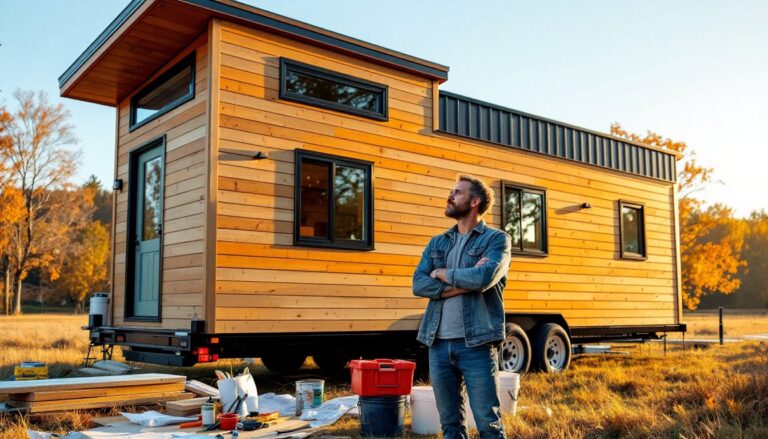
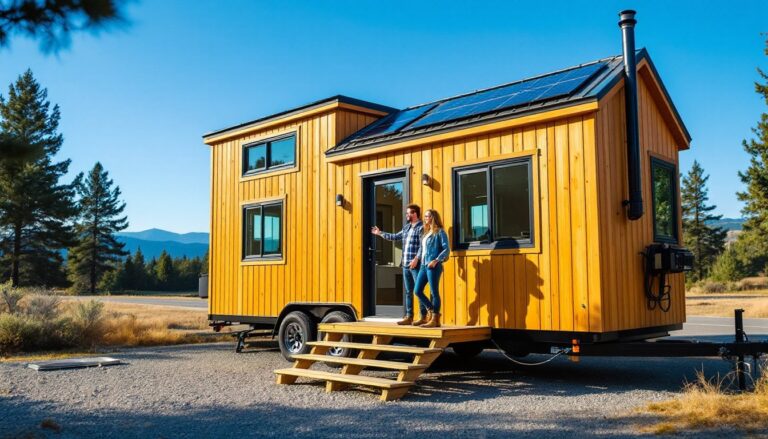
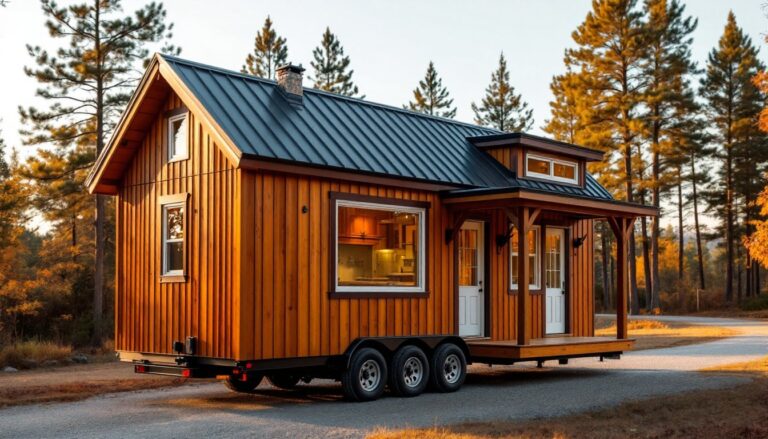
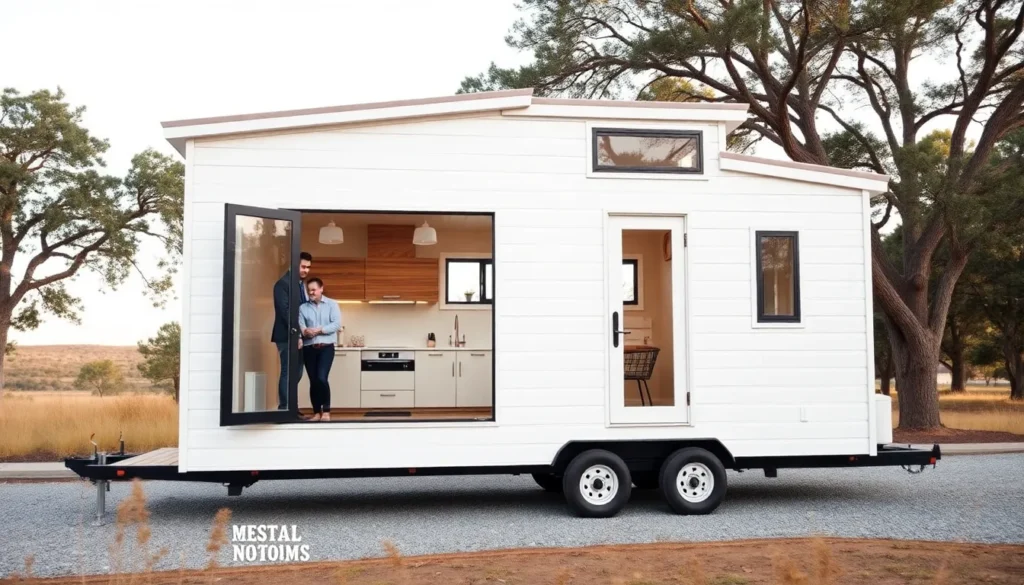
These structures sit on trailer beds and can be towed by trucks. They typically range from 100 to 300 square feet. THOWs often bypass certain building codes since they classify as vehicles in many areas. They offer maximum flexibility but require careful weight distribution and road-legal dimensions.
Container Homes
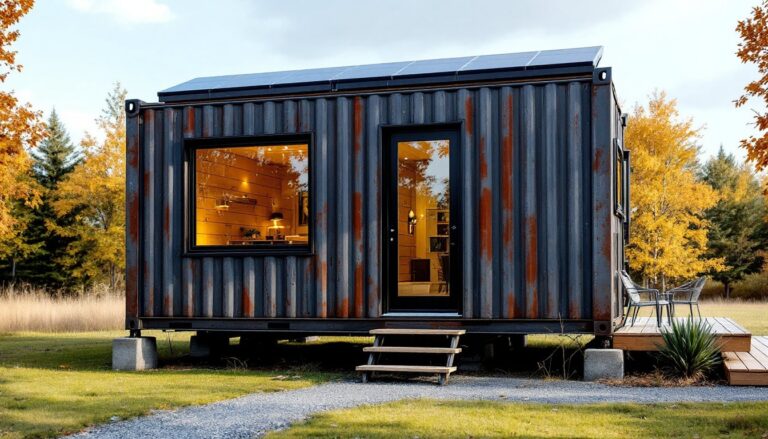
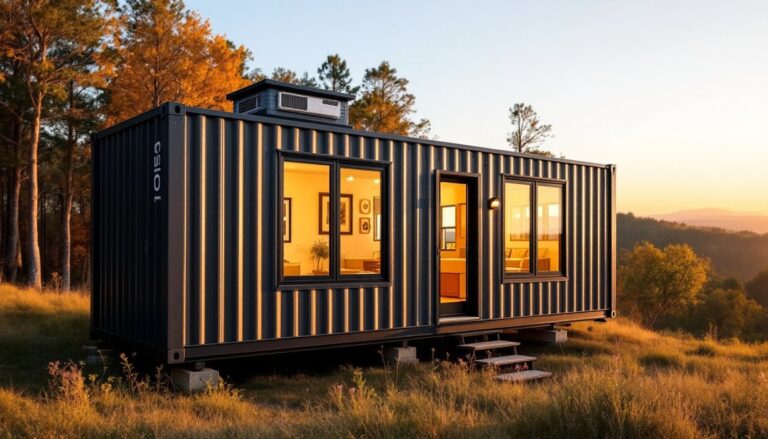
Shipping containers provide a sturdy foundation for tiny homes. These steel structures measure 8 feet wide and come in 20-foot or 40-foot lengths. Container homes are durable, weather-resistant, and relatively quick to convert. They work well for those who prefer an industrial aesthetic.
Prefabricated Tiny Homes
Manufacturers build these homes in factories and deliver them ready to inhabit. Prefab tiny homes offer consistent quality and faster construction times. Prices range from $25,000 for basic models to over $100,000 for luxury versions with high-end finishes.
Converted Structures
Creative builders transform buses, vans, barns, and sheds into tiny homes. School bus conversions (known as “skoolies”) have become particularly popular. These projects allow for customization but require significant DIY skills or professional help.
Accessory Dwelling Units
ADUs are small homes built on the same property as a primary residence. They function as guest houses, rental units, or homes for aging parents. Many cities now encourage ADU construction to address housing shortages.
Challenges and Considerations
Zoning and Legal Issues
Many municipalities lack clear regulations for tiny homes. Some areas prohibit full-time residence in structures under a certain size. Others require tiny homes to connect to municipal utilities. Research local building codes, zoning laws, and HOA restrictions before investing in a tiny home.
Limited Space
Living in 200 square feet requires adjustment. Storage is limited, and organization becomes critical. Couples and families face additional challenges sharing such compact quarters. Hosting guests or working from home can prove difficult without careful planning.
Financing Difficulties
Traditional mortgages rarely apply to tiny homes, especially those on wheels. Banks may classify them as personal property rather than real estate. Some lenders offer RV loans or personal loans for tiny home purchases, but interest rates tend to run higher.
Resale Uncertainty
The tiny home market remains relatively small. Selling a custom tiny home may take longer than selling a traditional house. Depreciation affects tiny homes on wheels similarly to how it affects vehicles.
Is a Tiny Home Right for You?
Tiny homes suit certain lifestyles better than others. Consider these questions honestly:
- Can you reduce belongings to fit a much smaller space?
- Do you enjoy spending most of your time outdoors or in community spaces?
- Are you comfortable with DIY repairs and creative problem-solving?
- Does your income support either paying cash or securing alternative financing?
- Have you spent extended time in small spaces like RVs or studio apartments?
Many people try tiny living before committing. Renting a tiny home for a week or month provides realistic insight. Visiting tiny home communities also helps gauge whether the lifestyle fits.
Tiny homes work especially well for singles, couples without children, retirees looking to downsize, and remote workers who value mobility. Families with young children often find the space constraints challenging.
Location matters significantly. Some states like Oregon, Texas, and California have embraced tiny homes with favorable regulations. Others maintain strict codes that make tiny living difficult or impossible.