Table of Contents
ToggleLiving in a tiny home for a weekend getaway is one thing. Committing to one as a permanent residence is another beast entirely. Forever tiny homes aren’t just scaled-down versions of traditional houses, they’re purpose-built dwellings designed for the long haul, with smart systems, durable materials, and layouts that actually work when you’re living there full-time. As housing costs climb and more people prioritize flexibility over square footage, the tiny home movement has shifted from novelty to viable housing solution. This guide breaks down what it takes to make a tiny home work as a forever home.
Key Takeaways
- Forever tiny homes are purpose-built permanent dwellings (100–400 sq ft) designed for year-round occupancy with code-compliant systems, proper insulation, and durable materials that rival traditional homes.
- Construction costs for forever tiny homes range from $20,000–$150,000 compared to the median U.S. home price of $400,000, making homeownership more financially accessible.
- Well-insulated tiny homes reduce utility bills dramatically—heating and cooling energy drops to roughly one-third of a 1,500-square-foot house, often costing $30–$80 monthly for electricity.
- Thoughtful design is essential for long-term comfort: aim for 8-foot ceilings in main areas, invest in multi-zone climate control, and use built-in storage to maximize limited space.
- Zoning laws remain the biggest challenge; check local regulations, deed restrictions, and HOA covenants before buying land, as many municipalities enforce 600–1,000 sq ft minimum requirements.
- Specialized insurance, proper permits, and code compliance (electrical, plumbing, structural) are non-negotiable for forever tiny homes, with permit fees typically ranging from $1,500–$5,000.
What Are Forever Tiny Homes?
Forever tiny homes are permanent dwellings designed for year-round, long-term occupancy, typically ranging from 100 to 400 square feet. Unlike vacation cabins or temporary housing, these structures are built with the same durability standards as conventional homes, proper insulation, code-compliant electrical and plumbing systems, and materials rated for decades of use.
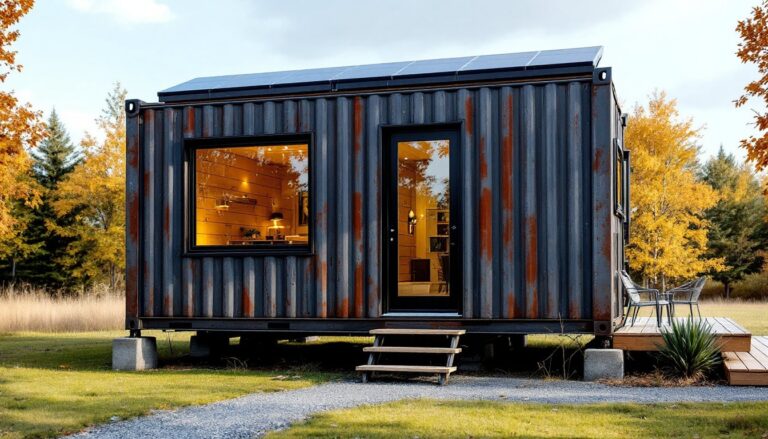
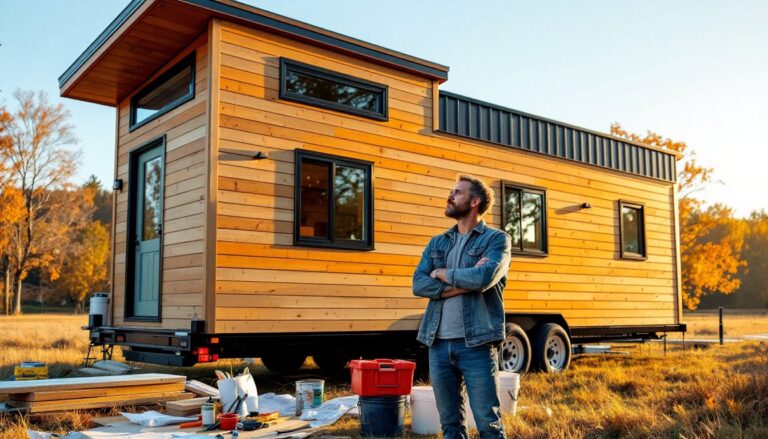
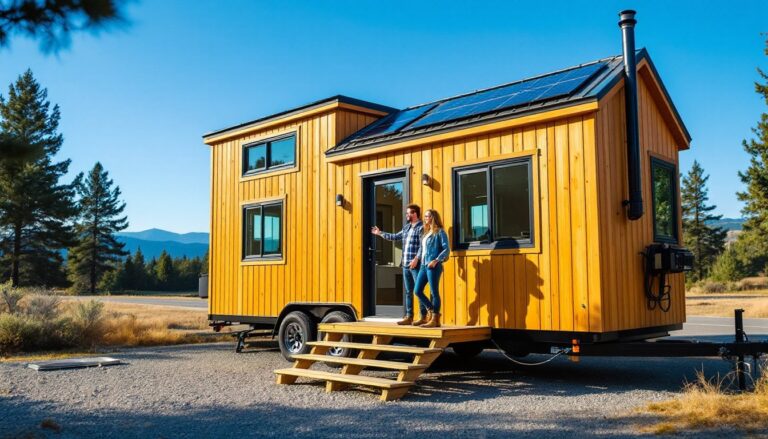
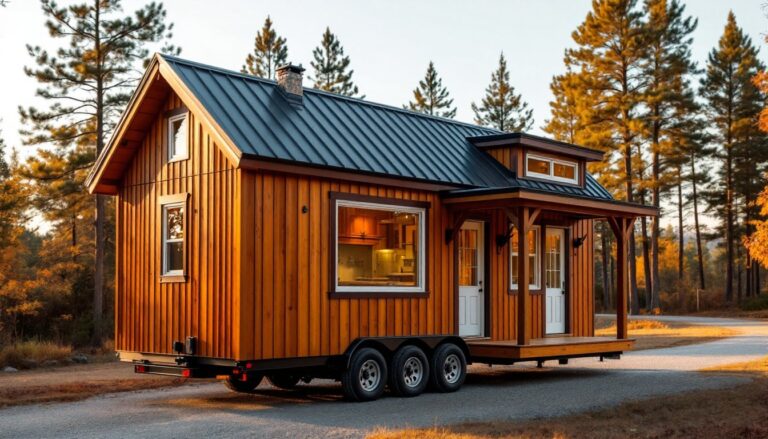
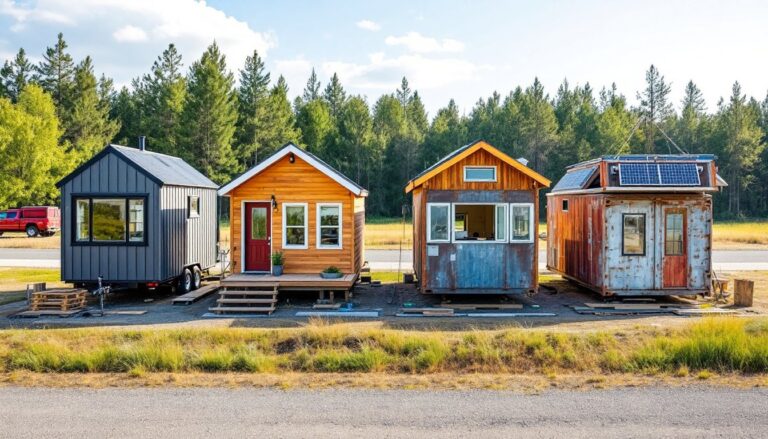
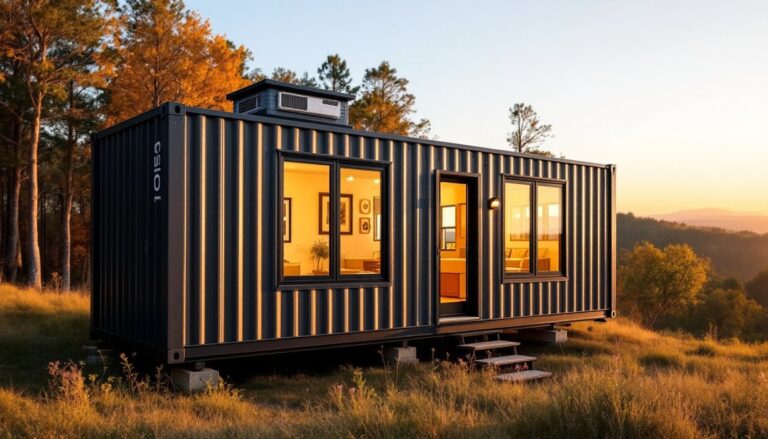
Most forever tiny homes fall into three categories: RVIA-certified trailers (built on wheels to highway standards), foundation models (permanent structures on skids or concrete slabs), and container conversions (repurposed shipping containers). The trailer-based models offer mobility but must meet weight distribution and road safety requirements. Foundation models provide stability and often qualify for conventional mortgages in tiny-home-friendly zones.
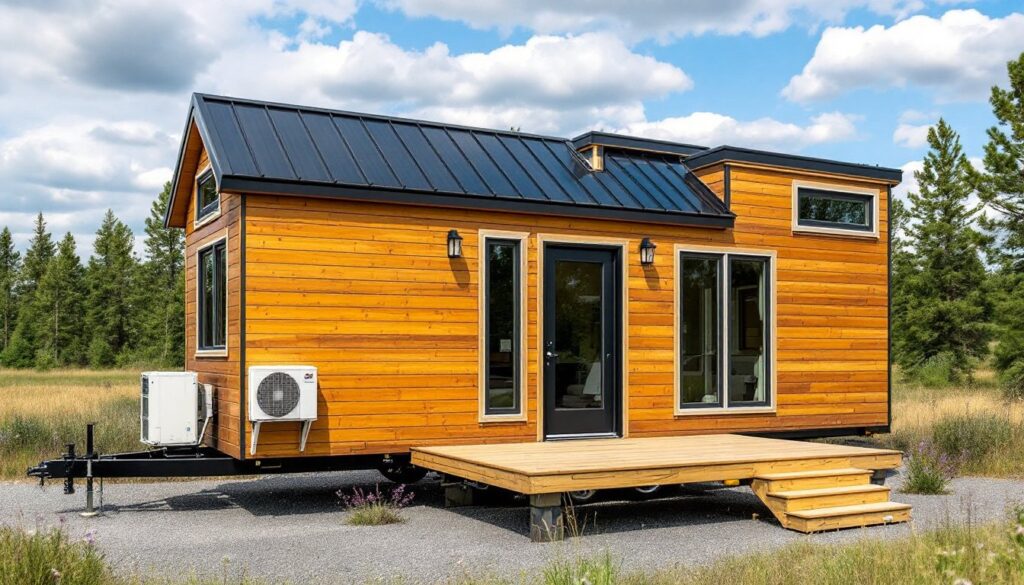
Key differences between a forever tiny home and a standard tiny home include upgraded HVAC systems (mini-splits rated for continuous use), commercial-grade appliances (not RV models), and structural reinforcements. Walls are typically framed with 2×4 or 2×6 studs on 16-inch centers, just like traditional homes, rather than the lighter framing seen in temporary builds. Insulation values range from R-13 in walls to R-30+ in roofs, depending on climate zone.
These homes aren’t downsized novelties, they’re engineered for the realities of daily life, including storage for off-season gear, workspace for remote jobs, and systems that won’t fail after a few years of use.
Why Choose a Tiny Home as Your Permanent Residence
The financial case is hard to ignore. Construction costs for a DIY forever tiny home average $20,000–$50,000 depending on finishes and systems, while professionally built models range from $50,000–$150,000. Compare that to the median U.S. home price hovering near $400,000, and the appeal becomes clear. Lower purchase prices translate to smaller loans, less interest paid, and faster paths to outright ownership.
Utility bills drop significantly. A well-insulated 300-square-foot home uses roughly one-third the heating and cooling energy of a 1,500-square-foot house. Electric bills in moderate climates often run $30–$80 monthly. Propane for cooking and backup heat typically costs $15–$40 per month. Water use falls naturally when there’s only one bathroom and a compact kitchen.
Maintenance becomes manageable. Replacing a roof might cost $2,000 instead of $15,000. Painting the exterior takes a weekend, not a month. Fewer square feet means fewer things to break, clean, and repair. For people who’ve spent years maintaining large homes, the simplicity is liberating.
Environmental impact matters to many forever tiny home dwellers. Smaller footprints mean less material waste during construction and lower ongoing resource consumption. Solar panel arrays become realistic, a 2kW system can power most tiny homes, whereas traditional houses need 5–10kW.
Flexibility plays a role too. Trailer-based homes can relocate if job opportunities shift or family needs change. Foundation models on leased land avoid the long-term commitment of purchasing property. Some owners park on family land, splitting costs while maintaining independence.
Designing a Tiny Home for Long-Term Comfort
Long-term livability hinges on thoughtful design, not just cramming furniture into a small box. Successful tiny home construction techniques prioritize durability and function over trendy finishes that won’t hold up.
Ceiling height makes or breaks the feel of a space. Aim for at least 8 feet in main living areas, lofts can drop to 6 feet if they’re only for sleeping. Vaulted ceilings in the living zone add psychological breathing room. Skylights and south-facing windows bring in natural light without sacrificing wall space needed for storage.
Multi-zone climate control is non-negotiable for year-round comfort. A single mini-split heat pump works for open layouts, but homes with lofted bedrooms often need a second zone or a quiet ductless fan coil to push air upstairs. Radiant floor heating paired with a propane or electric boiler provides even warmth without forced air.
Smart Storage Solutions That Actually Work
Storage needs to be built-in, not bolted on. Every dead space becomes functional: toe-kick drawers under cabinets, stair risers with pull-out bins, and benches with hinged tops. Avoid freestanding furniture, it eats floor space and shifts during transport if the home is on wheels.
Vertical storage works when done right. Floor-to-ceiling cabinets with adjustable shelving adapt as needs change. Magnetic knife strips, pegboards, and rail systems keep counters clear. In closets, double rods and shelf dividers maximize hanging space within a 24-inch depth.
Kitchen storage demands creativity. A 30-inch fridge (not a compact RV model) fits most needs without dominating the room. Pull-out pantry cabinets 6–12 inches wide squeeze into gaps beside appliances. Overhead pot racks and utensil rails reclaim cabinet space. Drawer organizers prevent the junk-drawer chaos that spirals in small kitchens.
Bathroom storage stays tight but functional. Medicine cabinets recessed into wall cavities between studs add space without bulk. Corner shelves in showers hold toiletries. A vanity with drawers beats a pedestal sink for long-term living.
Creating Flexible Living Spaces
Flexibility means furniture and layouts serve multiple purposes. A dining table doubles as a workspace, choose one with a leaf or drop sides. Murphy beds free up floor space during the day but require sturdy wall framing (anchor into studs or install blocking). Convertible sofas work if the mechanism is high-quality: cheap futons fail within a year.
Room dividers create privacy without permanent walls. Sliding barn doors on ceiling-mounted tracks separate sleeping areas or home offices. Curtains offer a softer, budget-friendly option. Avoid accordion doors, they’re flimsy and break easily.
Built-in furniture anchored to the structure handles daily use better than modular pieces. A thoughtful layout integrates seating, storage, and surfaces into wall systems. For example, a bench along one wall with storage underneath and a fold-down table transforms a corner into a dining nook or desk.
Lighting sets zones. Overhead fixtures provide general illumination, but task lighting (under-cabinet LEDs, reading lamps) defines work and relaxation areas. Dimmers add flexibility, bright for cooking, soft for evenings.
Legal and Zoning Considerations for Permanent Tiny Home Living
Zoning laws remain the biggest hurdle for forever tiny home living. Most municipalities enforce minimum square footage requirements, often 600–1,000 square feet for single-family dwellings. Tiny homes fall into a gray area: too small to meet residential codes, too large to qualify as RVs in many zones.
Some jurisdictions have adapted. Cities like Fresno, California, and Rockledge, Florida, created accessory dwelling unit (ADU) ordinances that allow tiny homes as secondary structures on existing lots. Others permit tiny homes in designated communities or on agricultural land. A few states (Oregon, Colorado) passed statewide legislation recognizing tiny homes as legal dwellings if they meet IRC Appendix Q standards.
Foundation-based tiny homes generally have an easier path to approval than wheeled models. Permanent structures on frost-protected shallow foundations or concrete slabs can meet building codes and qualify for occupancy permits. Trailer-based homes face restrictions, many codes classify them as recreational vehicles, limiting occupancy to 30–180 days per year.
Building codes apply even to DIY builds. Electrical work must follow NEC standards, GFCI outlets in kitchens and bathrooms, proper grounding, adequate circuit capacity. Plumbing needs code-compliant venting, P-traps, and backflow prevention. Structural elements (floor joists, roof trusses) must meet load requirements. Some jurisdictions require plans stamped by a licensed engineer.
Permits vary by location and build type. Foundation models typically need building permits, electrical permits, and plumbing permits, expect $1,500–$5,000 in fees and inspections. Wheeled homes on certified trailers may avoid building permits but still need electrical and plumbing sign-offs if connecting to utilities.
Land considerations matter. Not all property allows tiny homes. Check deed restrictions, HOA covenants, and local zoning before purchasing land. Off-grid setups (septic, well, solar) require separate permits and inspections. Grid connections need utility easements and meter installations.
Insurance can be tricky. Standard homeowners policies don’t cover homes under 400 square feet or structures on wheels. Specialized tiny home insurance exists but costs vary, $500–$1,500 annually depending on value, location, and whether the home is mobile. Some insurers require RVIA or NOAH certification for wheeled models.
Consult local planning departments early. Bring detailed plans, including dimensions, foundation type, and utility connections. Some areas offer variances or conditional use permits for tiny homes that don’t fit standard zoning. Be prepared for bureaucracy, approval timelines range from weeks to months.
Conclusion
Forever tiny homes work when they’re built with the same care and code compliance as full-size houses, just on a smaller footprint. Success hinges on realistic planning, understanding local regulations, and designing for actual daily life rather than Instagram appeal. For those willing to navigate the legal landscape and commit to intentional living, a tiny home offers financial freedom, lower environmental impact, and a simpler path to homeownership.