Table of Contents
ToggleColorado’s blend of mountain scenery, progressive municipal policies, and outdoor culture makes it one of the country’s fastest-growing tiny house markets. Buyers find everything from off-grid cabins on acreage to THOW (tiny house on wheels) communities near urban centers. Whether someone’s downsizing after retirement, chasing affordability, or seeking a weekend retreat at elevation, the state offers varied terrain, climate zones, and zoning frameworks. This guide walks through where to find listings, what to expect in pricing and features, and how to navigate Colorado’s evolving regulatory landscape before signing a purchase agreement.
Key Takeaways
- Colorado offers the fastest-growing tiny house market due to its mountain scenery, renewable energy abundance (300+ sunny days annually), and progressive zoning policies that are adopting ADU and THOW-friendly regulations.
- Tiny houses for sale in Colorado range from $25,000–$90,000 for new THOW models (200–300 sq ft) to $60,000–$120,000 for foundation-based homes, with raw acreage costing just $15,000–$40,000 in rural counties.
- Colorado has no statewide tiny house code; zoning and regulations vary by county and municipality, so contact your local building department before purchasing land and confirm whether RVIA-certified models are titled as RVs or require conditional-use permits.
- RV loans from lenders like LightStream and Alliant Credit Union offer 6%–10% interest rates over 15 years for RVIA-certified tiny houses on wheels, while foundation models may qualify for conventional FHA or USDA mortgages.
- The Western Slope and San Luis Valley provide the lowest land costs and fewest restrictions, but mountain towns and the San Luis Valley require heavy-duty insulation (R-30+ walls, R-40+ roofs) to withstand harsh winters and high-altitude snowfall.
- Join established tiny house communities like WeeCasa in Lyons to access shared infrastructure and existing permits, or budget $15,000–$30,000 for septic, well, and electrical work if placing your unit on raw acreage.
Why Colorado Is the Perfect State for Tiny House Living
Colorado’s geography spans four distinct climate zones, alpine, semi-arid steppe, high desert, and mountain valley, giving tiny house owners access to everything from snowy peaks to sunny high plains. That diversity means buyers can match microclimates to insulation needs, solar angles, and outdoor activity preferences.
The state also leads in renewable energy adoption. Colorado’s sunshine averages 300 days annually, making rooftop solar panels or portable arrays practical even on mobile units. Many tiny house communities and RV parks offer grid hookups, but off-grid setups thrive in rural counties with minimal permitting friction.
Land costs remain lower than West Coast markets. In counties like Fremont, Saguache, or Custer, raw acreage under five acres can run $15,000–$40,000, allowing buyers to purchase both the tiny house and the land for less than a Denver down payment. Pair that with Colorado’s culture of minimalism and outdoor recreation, and the lifestyle fit becomes clear.
Finally, local advocacy groups and builder networks have pushed cities like Denver, Colorado Springs, and Fort Collins to explore accessory dwelling unit (ADU) ordinances and THOW-friendly zones. While statewide code doesn’t yet uniformly embrace tiny houses, momentum is building.
Where to Find Tiny Houses for Sale in Colorado
Online Marketplaces and Tiny House Builders
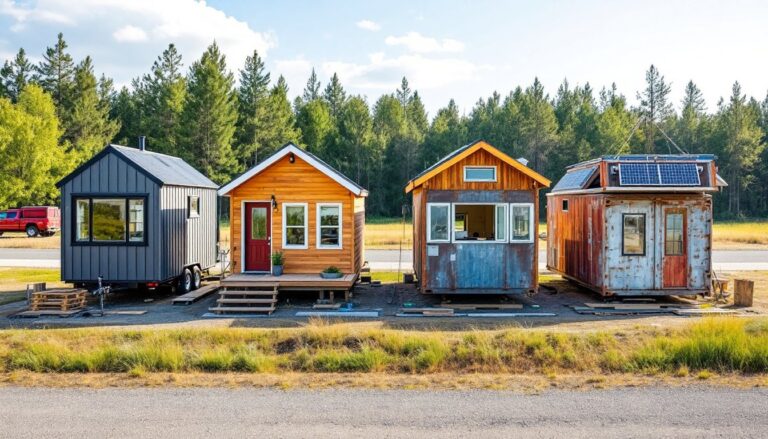
Tiny House Listings (tinyhouselistings.com) aggregates THOW and foundation models across the state, filtering by price, square footage, and certification (RVIA, NOAH, or custom). Expect to see built-on-trailer models ranging from 100 to 400 square feet, many already titled as RVs for easier registration.
Facebook Marketplace and Craigslist surface DIY builds and owner-financed deals, but scrutinize construction quality. Ask for material receipts, trailer weight ratings, and electrical inspection reports. Unfinished shells can be bargains if someone has framing skills and time.
Local builders like Rocky Mountain Tiny Houses (based in Durango) and Tumbleweed Tiny House Company (which ships to Colorado) offer turnkey or semi-custom builds. Turnaround times run 3–6 months, and buyers can specify trailer axle count, roofing material (metal holds up better in hail-prone Front Range counties), and appliance packages. Always confirm whether the price includes delivery: transporting a 30-foot THOW from out of state can add $3,000–$7,000.
MLS listings occasionally feature permitted ADUs or park model cabins on permanent foundations. These qualify for conventional financing more easily than wheeled units. Some creative design strategies help maximize storage and layout efficiency in these smaller footprints.
Popular Colorado Regions for Tiny House Buyers
The Front Range (Boulder, Fort Collins, Colorado Springs) offers proximity to jobs and services but stricter zoning. Look for properties in unincorporated county land or established tiny house communities like WeeCasa in Lyons, which rents and sells units on-site.
The Western Slope (Grand Junction, Montrose, Glenwood Springs) provides lower land costs and fewer restrictions. Counties like Mesa and Delta allow THOW on agricultural or residential parcels with minimal setback requirements. Snow loads are moderate, and solar exposure is excellent.
Mountain towns (Salida, Pagosa Springs, Buena Vista) attract recreational buyers. Expect seasonal use restrictions in some subdivisions and higher material/labor costs due to elevation and remoteness. Building codes in these areas often reference the International Residential Code (IRC) Appendix Q for tiny houses on foundations, which mandates ceiling height minimums (6’8″ in habitable rooms, 6’4″ in bathrooms) and egress window sizes.
The San Luis Valley offers the cheapest land but the harshest winters. Insulation packages should include spray foam or rigid board with R-values exceeding R-30 in walls and R-40 in roofs to handle nighttime lows that dip below 0°F. Well drilling can hit artesian water or require 300+ feet of casing, so budget accordingly.
What to Expect: Pricing and Features of Colorado Tiny Homes
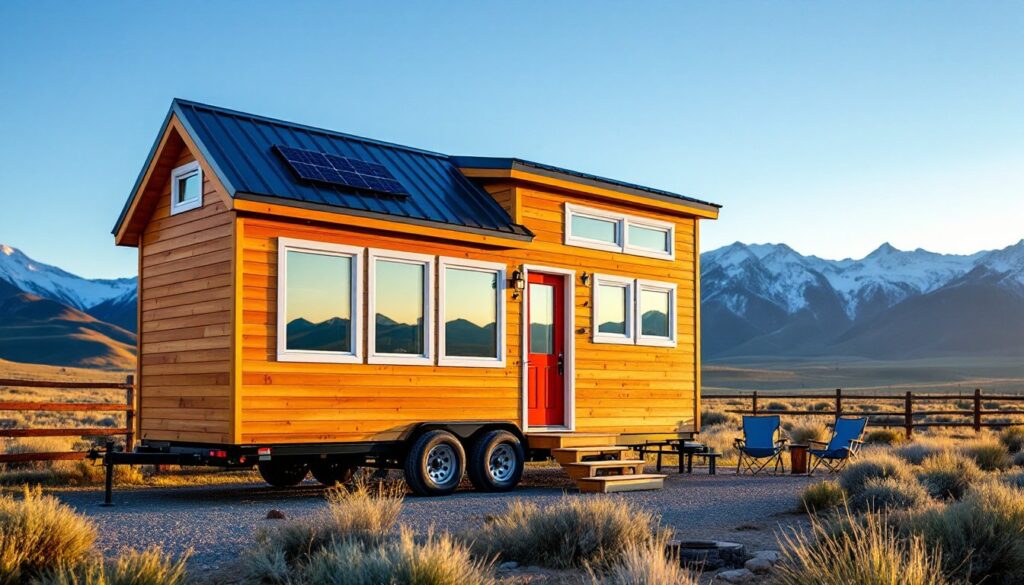
New THOW models from regional builders typically range $50,000–$90,000 for 200–300 square feet. That includes a galley kitchen with propane or induction cooktop, a composting or RV-flush toilet, a lofted sleeping area accessed by ladder or stairs, and basic electrical (30-amp or 50-amp shore power hookup). Upgrade packages, radiant floor heating, cedar siding, quartz counters, or off-grid solar kits, can push totals above $100,000.
Used and DIY builds on the secondary market range $25,000–$60,000, depending on age, finishes, and compliance with RVIA or NOAH standards. Inspect the trailer frame for rust (Colorado’s winter road salt is aggressive), check roof seams for leaks, and confirm the gross vehicle weight rating (GVWR) matches the actual loaded weight. Overweight trailers risk axle failure and legal trouble during highway transport.
Foundation tiny houses (park models or stick-built ADUs) cost $60,000–$120,000 when built to IRC Appendix Q specs. These qualify for standard permits, and some essential planning tips can streamline the permitting process. Buyers gain conventional financing options but sacrifice mobility.
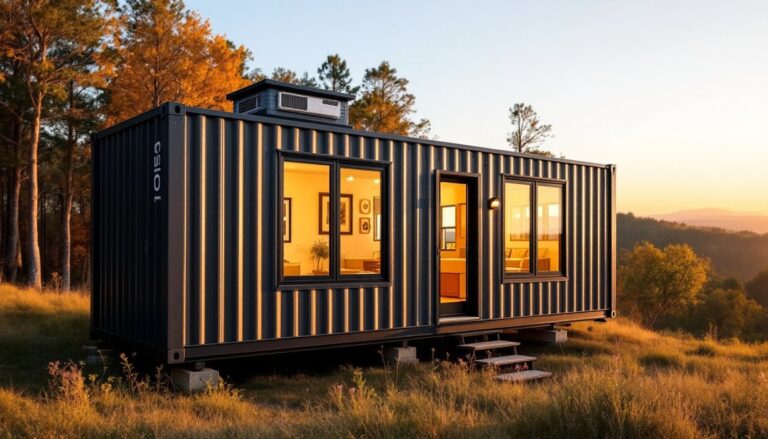
Features vary widely. High-end models include mini-split heat pumps (efficient down to 5°F outdoor temps), tankless propane water heaters, and engineered lumber framing (lighter than dimensional 2×4s, critical for THOW weight). Budget builds may use RV-grade windows (prone to condensation) and vinyl plank flooring (easier to install than hardwood but less durable).
Utility hookups add to total cost. A 200-amp service panel, septic connection, and well on rural land can run $15,000–$30,000. Some buyers join existing tiny house communities where infrastructure is shared, though monthly lot rent ($300–$600) applies.
Zoning Laws and Regulations for Tiny Houses in Colorado
No statewide tiny house code exists. Regulations cascade from county to municipality, and interpretations shift every few years. Always contact the local building department before purchasing land or a unit.
THOW zoning depends on whether the house is titled as an RV. RVIA-certified models (built to ANSI A119.5 standards) are treated as recreational vehicles in most counties, meaning they can park on private land for 30–120 days per year depending on the jurisdiction. Permanent occupancy usually requires a conditional-use permit or placement in an RV park zoned for long-term residence. Comparing tiny homes with traditional builds highlights these regulatory differences.
Some progressive counties, Boulder, Weld, and Larimer, allow THOW as ADUs if the primary residence exists on the parcel and the tiny house connects to approved utilities. Setbacks typically mirror those for sheds: 5 feet from side property lines, 10 feet from rear.
Foundation-based tiny houses must comply with the IRC. Appendix Q (adopted by some Colorado municipalities) allows habitable structures as small as 120 square feet per floor, with reduced ceiling heights and stair widths. Cities like Salida and Durango have adopted Appendix Q: others require variances. Understanding common beginner mistakes can prevent costly permit delays.
Utilities and septic fall under separate codes. The Colorado Department of Public Health and Environment regulates on-site wastewater treatment. Composting toilets (like Nature’s Head or Sun-Mar) bypass septic requirements in some rural counties but may not satisfy health departments in others. Greywater systems need engineer approval.
Fire and safety standards still apply. Working smoke detectors, CO detectors (if propane appliances are installed), and egress windows in sleeping lofts are non-negotiable. Propane tanks exceeding 100 pounds may require fire marshal approval and setback distances from structures.
Homeowners’ associations (HOAs) and covenants can ban tiny houses outright, even in counties that allow them. Read CC&Rs before closing on land.
Financing Your Tiny House Purchase in Colorado
Conventional mortgages rarely cover THOW because lenders classify them as personal property, not real estate. A few exceptions exist: if the tiny house sits on a permanent foundation with a deed, USDA, FHA, or conventional loans may apply, provided the structure meets minimum square-footage requirements (often 400+ square feet) and appraises at loan value.
RV loans are the go-to for RVIA-certified THOW. Lenders like LightStream, Alliant Credit Union, and some Colorado-based credit unions offer terms up to 15 years with interest rates between 6%–10% (as of early 2026). Down payments typically run 10%–20%. The tiny house must carry an RVIA seal and a vehicle identification number (VIN).
Personal loans work for non-certified or DIY builds. Rates are higher (8%–14%), and terms shorter (3–7 years), but approval depends on creditworthiness, not the structure. This route suits buyers purchasing a used THOW or funding a custom build in stages.
Builder financing is emerging. Some Colorado tiny house companies offer in-house payment plans: 20% down, then monthly installments over 2–5 years. Interest rates vary: read the fine print for early-payoff penalties.
Land loans differ from structure loans. If buying raw acreage, expect 15%–30% down and higher rates than a standard mortgage. Once the land is paid off or equity is established, a home equity line of credit (HELOC) can fund the tiny house construction.
Cash purchases remain common in the tiny house market. Sellers often prefer them, and buyers avoid interest. Those liquidating a traditional home can roll proceeds into a tiny house and land with money left over.
Insurance is critical but tricky. THOW on wheels need RV or specialty tiny house policies (companies like Strategic Insurance Agency cover tiny homes specifically). Foundation models can sometimes join standard homeowners policies, though insurers may balk at sub-400-square-foot dwellings. Budget $600–$1,200 annually for coverage including liability, structure, and contents.