Table of Contents
ToggleThe tiny home market has exploded, but not all micro-dwellings come with micro price tags. Plenty of builders are marketing $80,000 “budget” models that sit far out of reach for someone trying to downsize on a shoestring. The good news? Truly affordable tiny homes do exist, if a buyer knows where to look and what compromises to accept. This guide breaks down the cheapest tiny homes for sale in 2026, from turnkey models under $20,000 to bare-bones shell kits that slash costs by 60% or more. It also covers the hidden expenses, financing quirks, and sourcing strategies that separate a smart deal from a money pit on wheels.
Key Takeaways
- Truly affordable tiny homes priced under $30,000 exist in the form of prefab shell kits ($8,000–$15,000) and used models, requiring DIY finishing work that saves thousands compared to turnkey options.
- Foundation-based tiny homes cost 30–40% less than trailers because they skip road-safety requirements, making them a budget-friendly alternative if mobility isn’t essential.
- Shell kits demand significant hidden costs ($2,000–$10,000) for insulation, electrical, plumbing, and finishes, plus delivery ($500–$3,000) and permits ($200–$1,500), so total project budgets should reflect these expenses.
- Popular budget models like the Tumbleweed Elm ($12,500) and Amazon Allwood Solvalla Studio ($9,990) offer legitimate entry points, but each requires intermediate carpentry skills and 100–300 labor hours to reach livable condition.
- RV loans, personal loans, and chattel financing work better than traditional mortgages for cheapest tiny homes, with rates typically ranging from 6–10% and terms up to 15 years.
- Buyers sourcing deals should explore used marketplaces (Facebook, Craigslist), local builders, international imports, and seasonal manufacturer sales rather than relying on national brands that carry premium pricing.
What Makes a Tiny Home Truly Affordable?
Affordable in the tiny home world means different things depending on whether someone wants a turnkey unit or a project they’ll finish themselves. Generally, homes priced under $30,000 fall into the budget category, with the lowest-cost options hovering between $10,000 and $20,000.
Most sub-$20,000 tiny homes are either:
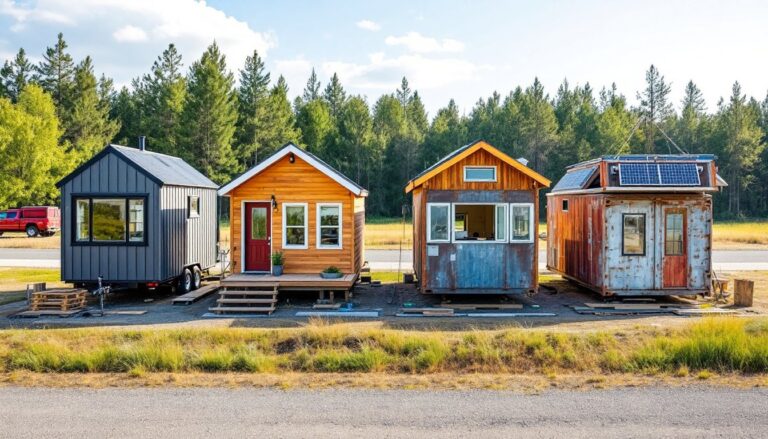
- Prefab shell kits that require interior finishing (electrical, plumbing, insulation, drywall)
- Tiny homes on foundations rather than trailers, cutting out the cost of a road-worthy chassis
- Used or refurbished units that may need minor repairs or updates
- Small footprint models (under 200 sq ft) with minimal amenities
A critical distinction: cheaper doesn’t always mean movable. Tiny homes on wheels (THOWs) must meet road safety standards, which drives up material and chassis costs. A foundation-built micro-cabin can cost 30–40% less because it skips the trailer, axles, and DOT compliance.
Material quality also varies. Budget models often use T1-11 siding instead of metal or cedar, vinyl windows instead of dual-pane low-E glass, and basic asphalt shingles instead of standing seam metal roofing. These aren’t deal-breakers, but they do affect durability and energy efficiency. Comparing tiny homes vs traditional construction reveals that cost-cutting in tiny builds usually shows up in finishes and insulation rather than framing.
Top Budget-Friendly Tiny Home Models Under $20,000
Several manufacturers and resellers specialize in ultra-affordable units. Here are standout models available in 2026:
Tumbleweed Elm (Shell Kit) – $12,500
This 117 sq ft THOW shell includes framing, roofing, siding, windows, and a door. Buyers finish the interior themselves. The chassis meets DOT standards for towing, and the design allows for a sleeping loft accessed by ladder.
Tiny Idahomes Homesteader – $16,800
A 160 sq ft foundation model with basic framing, metal roofing, and rough-in electrical. No plumbing is included, making this ideal for off-grid setups with composting toilets and rainwater catchment.
Amazon Allwood Solvalla Studio – $9,990
A 172 sq ft panelized Nordic wood kit. It ships flat-pack and assembles in 1–2 days with two people. Walls are solid pine tongue-and-groove boards. No insulation, electrical, or plumbing included, strictly a weatherproof shell.
Used Tumbleweed Fencl (2019–2022 models) – $14,000–$18,000
Frequently listed on Curbed’s tiny house marketplace and similar resale sites. These 130 sq ft models come partially finished, often with basic kitchen cabinetry and wiring in place.
Relevant Builders Micro Cabin – $11,200
A 120 sq ft foundation cabin with plywood subfloor, framed walls, metal roof, and vinyl windows. Delivered as a kit on a flatbed. Many creative tiny home layouts fit this footprint.
Each of these models requires additional investment, anywhere from $2,000 to $10,000, to reach livable condition. Buyers should budget for insulation, interior paneling, fixtures, appliances, and finish work.
Shell Kits and DIY Tiny Homes: The Ultimate Money-Savers
Shell kits are where the deepest savings live. A typical turnkey tiny home costs $50,000–$80,000, but a quality shell runs $8,000–$15,000. The difference is sweat equity and DIY know-how.
Most shell kits include:
- Structural framing (2×4 or 2×6 walls, roof trusses or rafters)
- Exterior sheathing and siding (OSB, plywood, T1-11, or board-and-batten)
- Roofing (asphalt shingles or metal panels)
- Windows and exterior door (vinyl or aluminum-clad)
- Trailer or foundation anchors (depending on the model)
What’s not included:
- Insulation (spray foam, mineral wool, or fiberglass batts add $1,200–$3,000)
- Interior walls and ceiling (tongue-and-groove pine, shiplap, or drywall)
- Electrical wiring (wire, outlets, breaker panel, and fixtures run $800–$2,500)
- Plumbing (PEX supply lines, drain pipes, fixtures add $1,000–$3,500)
- HVAC (mini-split, propane heater, or wood stove)
- Flooring (vinyl plank, hardwood, or tile)
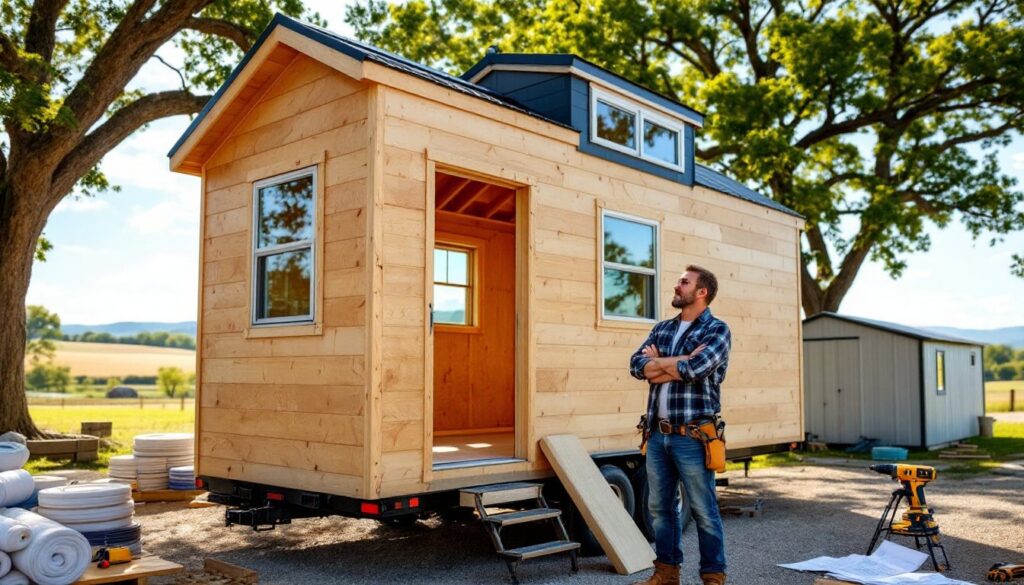
Building out a shell requires intermediate carpentry, electrical, and plumbing skills. Anyone comfortable running romex, soldering copper, or hanging drywall can handle most tasks. Licensed electricians and plumbers may be required for final hookups and inspections, depending on jurisdiction.
Tool requirements are modest but essential: circular saw or miter saw, cordless drill/driver, jigsaw, level, tape measure, and basic hand tools. Those tackling spray foam insulation should rent a pro kit or hire a contractor, DIY foam often underperforms due to improper mixing or application. For more on the tiny homes tools needed, check dedicated builder guides.
Pros of shell kits:
- Total cost (shell + finishes) typically stays under $25,000
- Full control over layout, materials, and finishes
- Ability to phase work over several months
Cons:
- Time-intensive (100–300 hours of labor)
- Mistakes in electrical or plumbing can be costly to fix
- Resale value depends heavily on finish quality and code compliance
Where to Find the Best Deals on Tiny Homes
Sourcing a cheap tiny home takes patience and a willingness to browse multiple channels. Here’s where to look:
Manufacturer Direct Sales
Companies like Tumbleweed, Tiny Idahomes, and Jamaica Cottage Shop sell kits and shells with transparent pricing. Watch for seasonal sales (January clearance, Black Friday) that can knock 10–15% off list price.
Used Marketplaces
Facebook Marketplace, Craigslist, and Tiny House Listings feature pre-owned units, often from owners who discovered tiny living wasn’t for them. Expect to negotiate, many sellers price high initially. Inspect carefully for water damage, mold, and structural issues before buying.
Auction and Liquidation Sites
Government surplus, estate sales, and builder liquidations occasionally list tiny homes or modular cabins. Sites like GovDeals and Public Surplus require patience, but deals under $10,000 do surface.
RV and Mobile Home Dealers
Some dealerships carry park model RVs (PMRVs) that function as tiny homes. These units are built to ANSI A119.5 standards rather than IRC, which affects financing and placement options. Pricing often starts around $18,000 for older inventory.
International Imports
Prefab cabins from Nordic and Baltic countries ship to the U.S. at competitive prices. Import duties, shipping, and assembly costs add up, but final pricing can still beat domestic turnkey models. Amazon, Wayfair, and specialist importers handle logistics.
Local Builders and Custom Fabricators
Small-scale builders in rural areas often work cheaper than national brands. Search for “tiny home builder” + your state. Request references and inspect prior work before signing a contract. Many design techniques used by local fabricators can reduce material waste and labor hours.
Hidden Costs to Consider Before You Buy
Even the cheapest tiny home carries expenses beyond the sticker price. Budgeting for these avoids unpleasant surprises:
Delivery and Setup – $500–$3,000
Shell kits ship on flatbeds: assembled homes require specialized transporters. Distance, permits, and escort vehicles (for wide loads) all affect cost. Foundation prep, gravel pads, concrete piers, or helical anchors, adds another $800–$2,500.
Permits and Inspections – $200–$1,500
Most jurisdictions require building permits for structures over 120 sq ft or any dwelling with plumbing. Electrical and plumbing inspections are mandatory in many areas. Zoning variances or ADU (accessory dwelling unit) permits can cost extra. Codes vary widely by county and municipality.
Utilities Hookup – $1,000–$5,000
Connecting to municipal water, sewer, and electric involves tap fees, trenching, and meter installation. Off-grid setups, solar panels, composting toilets, propane tanks, cost roughly the same upfront but eliminate monthly bills.
Insurance – $300–$900/year
Tiny homes on wheels may be insured as RVs or specialty dwellings. Foundation models typically fall under standard homeowners policies. Lenders often require coverage before releasing loan funds. Cost estimators can provide ballpark figures for specific regions.
Land Rental or Purchase
Parking a THOW on private land may cost $200–$600/month. Buying land varies wildly, rural lots in the South or Midwest start around $5,000–$15,000: coastal or mountain parcels run much higher.
Ongoing Maintenance
Tiny homes built with budget materials need more frequent upkeep. Expect to repaint T1-11 siding every 3–5 years, reseal windows annually, and replace cheap fixtures sooner than premium equivalents. Understanding emerging trends in micro-living helps anticipate which materials hold value over time.
Financing Options for Budget Tiny Homes
Traditional mortgages rarely cover tiny homes, especially those under $50,000 or on wheels. Here are realistic financing paths:
Personal Loans
Unsecured loans from banks, credit unions, or online lenders work for amounts under $25,000. Interest rates run 6–12% for borrowers with good credit. Terms typically max out at 5–7 years.
RV Loans
Tiny homes on RVIA-certified trailers may qualify for RV financing. Rates are comparable to auto loans (4–8%), and terms extend up to 15 years for newer units. Lenders require the home to be road-legal and titled as an RV.
Chattel Loans
Some lenders offer chattel (personal property) loans for manufactured or mobile structures. These loans don’t require land ownership but carry higher rates (7–10%) than real estate mortgages.
Builder Financing
A handful of tiny home manufacturers provide in-house payment plans. Terms vary: some charge no interest for 12–24 months, others structure it as a lease-to-own arrangement. Read contracts carefully, penalties for missed payments can be steep.
Cash and Savings
Many budget tiny home buyers pay outright, avoiding interest and loan fees. Saving $15,000–$25,000 takes discipline but eliminates monthly payments and preserves equity.
Crowdfunding and Grants
Niche platforms and non-profits occasionally fund tiny home projects for specific populations (veterans, low-income families, disaster relief). Success rates are low, but it’s worth researching if a buyer has a compelling story.
Anyone comparing financing should calculate the total cost of borrowing. A $15,000 home financed at 8% over five years costs roughly $18,200 after interest, still far cheaper than a conventional mortgage, but not negligible. Publications like Apartment Therapy frequently cover financing case studies and real-world cost breakdowns.
Conclusion
Finding the cheapest tiny homes for sale in 2026 means weighing upfront cost against long-term livability. Shell kits and used models deliver the lowest entry prices, but they demand time, skill, and a realistic budget for finishes and utilities. Buyers who plan carefully, research zoning and permits early, and approach the project with a clear understanding of hidden costs will avoid the pitfalls that turn a bargain into a burden.