Table of Contents
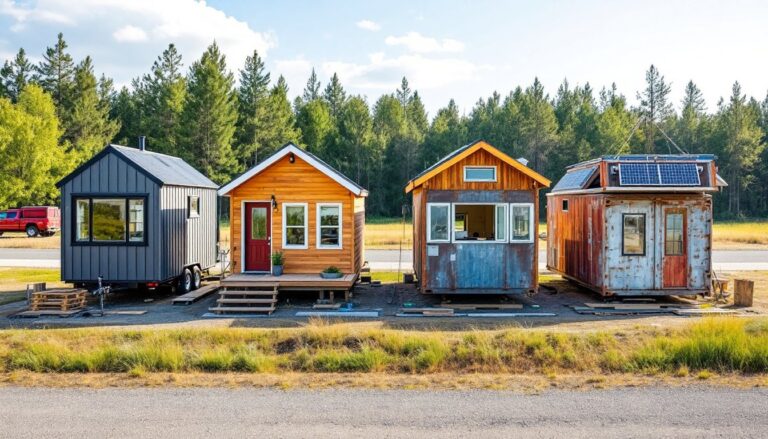
ToggleWalmart has entered the tiny home market, selling prefabricated dwellings online that ship directly to buyers across the country. These structures, ranging from expandable shipping container units to prefab kits, offer a low-barrier entry into small-space living. Prices start under $20,000 for basic models and top out around $50,000 for larger, fully equipped units. While the concept sounds simple, buy a house like you’d buy a lawnmower, the reality involves permits, site prep, utility hookups, and local zoning compliance. This guide breaks down what’s actually available, what it costs, and what buyers need to know before clicking “add to cart.”
Key Takeaways
- Walmart tiny homes range from $10,000 to $50,000 for the structure alone, but total costs typically reach $25,000 to $65,000 when including foundation, utilities, permits, and delivery.
- Before purchasing a tiny home from Walmart, verify local zoning laws and obtain building permits, as many municipalities restrict dwelling size or prohibit accessory dwelling units in certain zones.
- Foundation preparation, utility hookups, and site-specific requirements vary significantly by climate and soil type, with frost-protected foundations needed in cold climates and specialized systems required for rural off-grid properties.
- Walmart tiny homes are sold through third-party marketplace sellers and arrive as either expandable steel containers or prefab kits requiring assembly, with professional installation often recommended for electrical and plumbing work.
- Plan for 80 to 200 hours of labor or hire a contractor ($5,000 to $15,000) for assembly and finishes, and expect two to eight weeks for permit approval before delivery and setup can begin.
- Resale value is unpredictable for tiny homes as they’re often classified as personal property rather than real estate, making financing and future appreciation uncertain compared to traditional houses.
What Are Walmart Tiny Homes?
Walmart doesn’t manufacture these homes. Instead, the retailer partners with third-party sellers who list prefab tiny houses, expandable container homes, and modular dwelling kits on Walmart’s marketplace. Think of it like Amazon’s third-party seller model, Walmart facilitates the transaction, but manufacturers handle production and shipping.
These units typically fall into two categories: expandable container homes (steel-framed structures that unfold or expand after delivery) and prefab tiny house kits (panelized or modular units requiring on-site assembly). Most measure between 160 and 400 square feet when fully set up. They’re marketed as granny flats, backyard studios, guest houses, or full-time residences for minimalists.
Shipping and delivery logistics vary by seller. Some units arrive on a flatbed truck as a single folded container. Others ship as multiple panels requiring assembly by the buyer or a hired contractor. Most sellers provide installation manuals, but professional assembly is often recommended, especially for electrical and plumbing connections.
These aren’t RVs or mobile homes. They’re classified as permanent structures in most jurisdictions, which means they require foundation work, building permits, and compliance with local codes. Buyers who skip permitting risk fines, forced removal, or inability to insure the structure.
Popular Tiny Home Models Available at Walmart
Expandable Container Homes
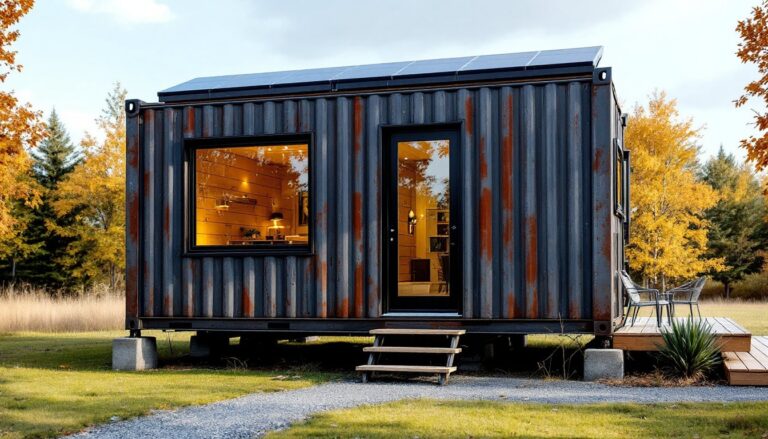
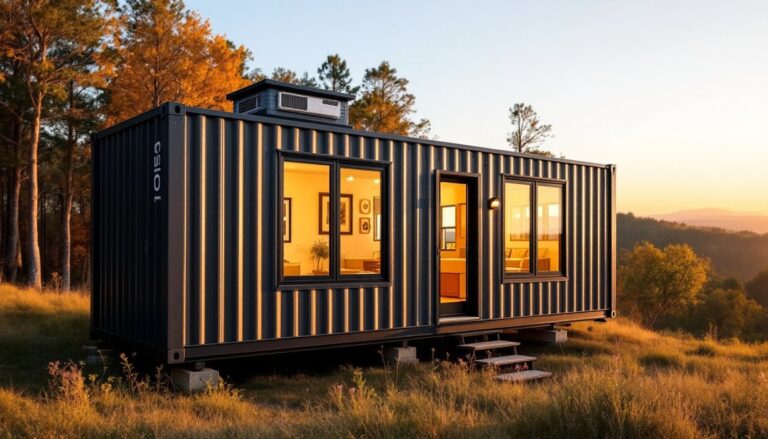
Expandable container homes dominate Walmart’s tiny home listings. These units ship as compact steel containers (often 20 feet long when folded) and expand to 20 x 20 feet or larger once unfolded on-site. The expansion process involves unlatching sides, pulling out accordion-style walls, and securing the structure to a foundation or leveling blocks.
Popular models include single-room studios with integrated bathrooms and kitchenettes. Walls are typically insulated steel panels with interior finishes like laminate flooring and drywall or PVC paneling. Windows are pre-installed double-pane units. Electrical systems come pre-wired for 120V and 240V service, but buyers must connect to a power source, either grid hookup or a generator setup.
Pricing for expandable models ranges from $15,000 to $35,000 depending on size, insulation quality, and included features. Basic models lack HVAC systems: buyers install their own mini-split units or window AC. Higher-end versions include built-in climate control, upgraded flooring, and reinforced framing for snow loads.
These structures work well as backyard office spaces or guest quarters, but they require a level foundation, either a concrete slab, pier and beam setup, or compacted gravel pad with treated lumber skids.
Prefab Tiny Houses and Kits
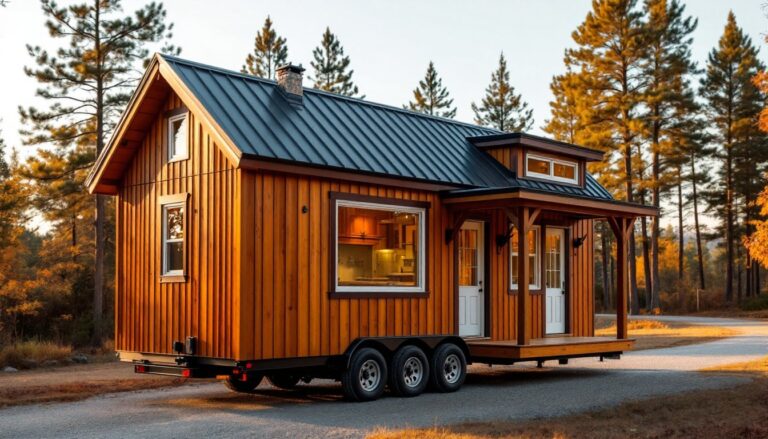
Prefab tiny house kits require more hands-on work than expandable containers. These arrive as panelized wall sections, roof trusses, flooring components, and fastener packs. Buyers assemble the structure using provided instructions, much like a large-scale furniture kit.
Typical dimensions range from 12 x 20 feet to 16 x 24 feet. Framing is usually 2×4 lumber on 16-inch centers, with OSB or plywood sheathing. Roofing materials vary, some kits include metal panels, others use asphalt shingles. Insulation is rarely included: buyers add their own fiberglass batts or spray foam.
Electrical and plumbing rough-ins are often the buyer’s responsibility. Kits may include pre-cut chases for wiring and drain lines, but installation requires basic knowledge of the National Electrical Code (NEC) and local plumbing standards. Hiring a licensed electrician and plumber for rough-in work typically adds $2,000 to $5,000 to the total project cost.
These kits appeal to experienced DIYers who want more control over finishes and systems. Assembly time varies from 40 to 120 hours depending on skill level and whether a helper is available. A circular saw, drill, level, and framing nailer are essential. A miter saw and table saw speed up trim work.
Pricing for prefab kits starts around $10,000 for bare-bones shells and climbs to $30,000 for models with pre-hung doors, windows, and finished siding.
How Much Do Walmart Tiny Homes Cost?
Advertised prices on Walmart’s site range from $10,000 to $50,000, but that’s only the purchase price. Total project cost depends on site prep, foundation work, utility connections, permits, and delivery fees.
Foundation costs vary by soil conditions and local frost depth requirements. A concrete slab (4 inches thick, reinforced with rebar) for a 320-square-foot home runs $2,500 to $4,500 in most regions. Pier and beam foundations using sonotubes and treated lumber cost $1,500 to $3,000 for the same footprint. Gravel pads with pressure-treated skids are cheapest ($500 to $1,200) but may not meet code in areas with frost heave or seismic activity.
Utility hookups add significant cost. Running electrical service from a main panel to a detached structure typically costs $1,200 to $2,500, including trenching, conduit, and a sub-panel. Water line extensions run $800 to $2,000 depending on distance from the main. Septic or sewer connections range from $500 (tying into an existing system) to $8,000+ (installing a new septic field).
Delivery fees aren’t always included. Shipping a 20-foot container from a port or warehouse to a residential address can cost $1,500 to $4,000 depending on distance and local accessibility. Flatbed delivery to rural areas with narrow roads or steep grades may require additional equipment.
Permit fees vary by jurisdiction but typically range from $500 to $2,000 for structures under 400 square feet. Some municipalities charge impact fees for additional dwellings, especially if they add to water or sewer demand. Buyers in unincorporated areas may face fewer restrictions, but they still need to meet county building codes.
All-in costs for a livable, code-compliant Walmart tiny home usually land between $25,000 and $65,000, including the structure, foundation, utilities, permits, and basic interior finishes.
What to Consider Before Buying a Tiny Home from Walmart
Zoning and permits are the first hurdle. Many municipalities restrict dwelling size, require minimum square footage (often 600 to 1,000 square feet), or prohibit accessory dwelling units (ADUs) in certain zones. Some areas classify tiny homes as RVs, which limits where they can be placed and whether they can serve as primary residences. Buyers should contact their local planning department before purchasing.
Foundation requirements vary by climate and soil type. Structures in cold climates need frost-protected foundations extending below frost depth, often 36 to 48 inches in northern states. Areas with expansive clay soils may require engineered foundations to prevent settling. Ignoring these requirements leads to structural damage, voided warranties, and costly repairs.
Utility access isn’t guaranteed. Homes on rural parcels may lack municipal water and sewer, requiring well drilling ($3,000 to $10,000) and septic installation ($8,000 to $20,000). Off-grid buyers need to budget for solar panels, battery storage, and propane systems. A basic 3 kW solar setup with battery backup costs $8,000 to $15,000.
Insulation and climate control matter more in small spaces. Single-wall steel containers lose heat rapidly in winter and become ovens in summer. Spray foam insulation (R-13 to R-21) is standard for steel structures. Wood-framed kits should have at least R-13 wall insulation and R-30 in the roof. A 12,000 BTU mini-split handles heating and cooling for most tiny homes, costing $1,200 to $2,500 installed.
Resale value is unpredictable. Tiny homes don’t appreciate like traditional houses. They’re often considered personal property rather than real estate, which complicates financing and appraisal. Buyers who plan to sell later should keep detailed records of permits, inspections, and improvements.
Assembly and installation often require professional help. Even “easy” expandable models need proper leveling, anchoring, and weatherproofing. Hiring a general contractor for setup and finish work typically costs $5,000 to $15,000, depending on scope. DIYers should budget 80 to 200 hours for a full build-out, including interior finishes, trim, and fixtures.
Buyers exploring design strategies and building techniques report better outcomes than those who rush into purchases. Reading reviews and verifying seller responsiveness also helps. Some third-party sellers have poor customer service, making returns or warranty claims difficult.
How to Order and Set Up Your Walmart Tiny Home
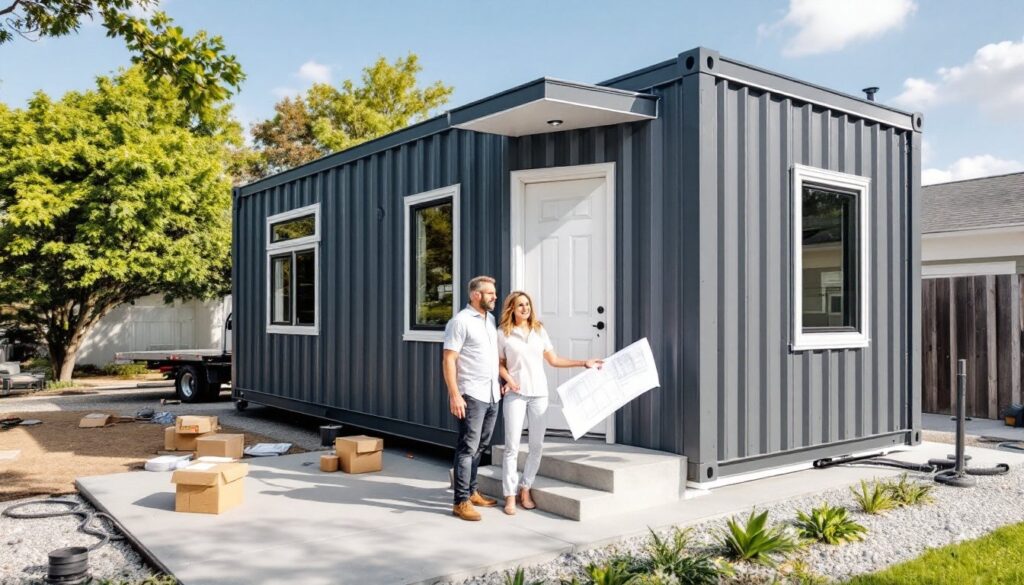
Step 1: Verify zoning and obtain permits. Contact the local building department to confirm that tiny homes are allowed on the property. Submit plans (usually provided by the seller) for review. Permit approval can take two to eight weeks depending on the jurisdiction.
Step 2: Prepare the site. Clear vegetation, level the ground, and install the foundation. For concrete slabs, hire a contractor to pour and cure the slab at least 14 days before delivery. For pier systems, ensure piers are level and properly spaced according to the manufacturer’s specifications.
Step 3: Arrange utility rough-ins. Schedule electricians and plumbers to install conduit, junction boxes, water lines, and drain stubs before the structure arrives. This prep work makes final hookups faster and cleaner.
Step 4: Order the home. Purchase through Walmart’s website. Read shipping policies carefully, some sellers require a delivery appointment scheduled two to four weeks in advance. Confirm that delivery trucks can access the site (overhead clearances, gate widths, and weight limits for driveways).
Step 5: Accept delivery and inspect. When the unit arrives, inspect for shipping damage before signing the delivery receipt. Check for dents, broken windows, or missing components. Document issues with photos and contact the seller immediately.
Step 6: Expand or assemble the structure. Follow the manufacturer’s instructions. Expandable containers usually require two to four people and basic hand tools. Prefab kits need power tools, ladders, and scaffolding. Allow one to three days for assembly, depending on complexity.
Step 7: Complete electrical and plumbing connections. Hire licensed professionals unless the buyer holds appropriate permits. Final connections include wiring the main panel to the sub-panel, connecting water supply lines, and hooking up drain lines to septic or sewer. Inspections are typically required before occupancy.
Step 8: Add insulation, drywall, and finishes. If the kit arrived as a shell, install insulation between studs, hang drywall or paneling, and complete trim work. Paint, flooring, and fixtures come last. Buyers who’ve researched essential tools and current trends often finish faster with better results.
Step 9: Schedule final inspections. Building inspectors verify that electrical, plumbing, and structural work meet code. Passing inspection allows the issuance of a certificate of occupancy, which is required for insurance and legal habitation.
Step 10: Move in. Once inspections clear, the home is ready. Buyers should install smoke detectors, carbon monoxide alarms, and fire extinguishers. Consider a small dehumidifier to manage moisture in tight spaces. Those comparing tiny homes with traditional options often appreciate the faster timeline and lower upfront costs, though ongoing maintenance and space constraints require adjustment.
Walmart’s tiny homes offer an accessible entry point into small-space living, but they’re not turnkey solutions. Success depends on thorough planning, realistic budgeting, and either strong DIY skills or a reliable contractor. Buyers who treat the process like any other home construction project end up with safe, comfortable dwellings. Those who skip steps face delays, code violations, and unexpected costs.