Table of Contents
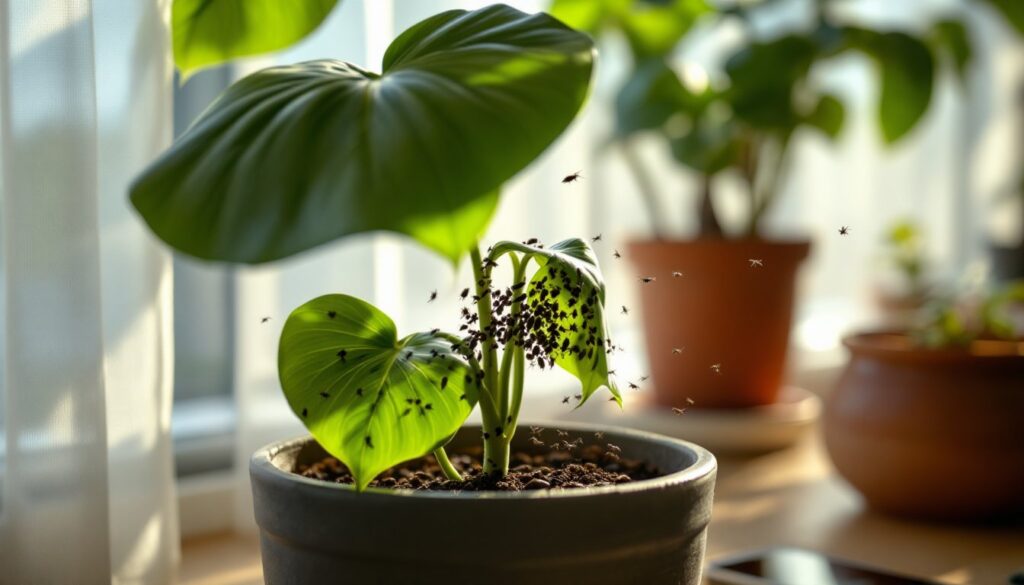
ToggleSpotting tiny black bugs crawling across your favorite fiddle leaf fig or hovering around your pothos can turn plant care from peaceful to panic-inducing. These miniature invaders aren’t just unsightly, they can weaken plants, stunt growth, and spread to every houseplant in your collection if left unchecked. The good news? Most infestations are manageable with the right identification and treatment plan. This guide walks through the most common tiny black bugs found on indoor plants, how to eliminate them effectively, and proven strategies to keep them from coming back.
Key Takeaways
- Accurate identification of tiny black bugs on indoor plants is critical, as fungus gnats, aphids, thrips, and spider mites each require different treatment approaches.
- Overwatering is the primary cause of fungus gnat infestations; letting soil dry out between waterings and using Bti (Bacillus thuringiensis israelensis) are the most effective controls.
- Different pests require targeted treatments: spray water for aphids, spinosad for thrips, and increase humidity combined with horticultural oil for spider mites.
- Prevention through proper watering practices, quarantining new plants for 2-3 weeks, and regular weekly inspections will keep tiny black bugs from establishing in your collection.
- Most infestations are fully controllable with accurate identification, persistent treatment over 2-3 weeks, and environmental adjustments that address the conditions pests need to thrive.
What Are Those Tiny Black Bugs on Your Houseplants?
Before reaching for pesticides, it’s critical to identify what you’re dealing with. “Tiny black bugs” is an umbrella term that covers several distinct pests, each requiring different treatment approaches.
Most indoor plant pests fall into one of two categories: flying insects (typically fungus gnats) or crawling/stationary insects (aphids, thrips, or spider mites). Size matters for identification, fungus gnats are visible to the naked eye at about 1/8 inch long, while thrips and mites may require a magnifying glass.
To properly identify the pest, examine both the bugs and the plant damage. Check the undersides of leaves, soil surface, and stems. Use your phone’s camera to zoom in if needed, many modern smartphones can capture enough detail to distinguish between pest types.
Fungus gnats hover around the soil and fly erratically when disturbed. Aphids cluster on new growth and leave sticky honeydew residue. Thrips cause silvery streaking on leaves, while spider mites create fine webbing between stems and leaves.
Common Types of Tiny Black Bugs Found on Indoor Plants
Fungus Gnats: The Most Common Culprit
Fungus gnats (Bradysia species) are the usual suspects when homeowners report tiny black bugs flying around houseplants. Adults are slender, mosquito-like flies about 1/8 inch long with long legs and antennae. They’re weak flyers that tend to run across soil surfaces and leaves.
The real damage comes from their larvae, translucent, worm-like grubs with black heads that live in the top 2-3 inches of potting soil. These larvae feed on organic matter, fungi, and plant roots, particularly in seedlings and plants with shallow root systems.
Fungus gnats thrive in consistently moist soil. Overwatering is the primary cause of infestations. They complete their life cycle in about 3-4 weeks under typical indoor conditions, meaning populations can explode quickly if conditions remain favorable.
You’ll rarely see just one fungus gnat. If adults are present, assume larvae are already in the soil. Yellow sticky traps placed near the soil surface will catch adults and help you gauge infestation severity.
Aphids, Thrips, and Spider Mites
Aphids are pear-shaped, soft-bodied insects that cluster on new growth, flower buds, and leaf undersides. While many aphid species are green or yellow, black bean aphids and black cherry aphids can infest indoor plants. They’re about 1/16 to 1/8 inch long and may have wings depending on the life stage.
Aphids reproduce rapidly, females can give birth to live young without mating. A single aphid can produce dozens of offspring in weeks. They damage plants by piercing tissue and sucking sap, causing distorted leaves, stunted growth, and yellowing. Their honeydew secretions attract ants and encourage sooty mold growth.
Thrips are slender, cigar-shaped insects about 1/16 inch long. They’re difficult to spot due to their size and quick movements. Western flower thrips and other species appear dark brown to black. Damage shows as silvery stippling, leaf distortion, and houseplant pests often leave behind dark fecal spots on leaf surfaces.
Spider mites (technically arachnids, not insects) are incredibly small, about 1/50 inch. While most are red or brown, some species appear black to the naked eye. They’re identified primarily by their damage: fine webbing on plants, stippled yellowing leaves, and overall plant decline. Hold white paper under a leaf and tap, mites will fall onto the paper as moving specks.
How to Get Rid of Tiny Black Bugs on Indoor Plants
Treatment success depends on accurate identification and persistence. Most infestations require multiple treatments over 2-3 weeks to break the pest’s life cycle.
For Fungus Gnats:
-
Let soil dry out between waterings. The top 2 inches of soil should be completely dry before watering again. This kills larvae and makes the environment inhospitable for egg-laying.
-
Apply Bacillus thuringiensis israelensis (Bti). This biological control is sold as Mosquito Bits or Gnatrol. Mix it into water per package directions and use it for regular watering. Bti bacteria produce toxins that kill fungus gnat larvae but are harmless to plants, pets, and humans.
-
Use yellow sticky traps to catch adults. Place them at soil level. This won’t eliminate the infestation but reduces breeding population and helps you monitor effectiveness.
-
Top-dress with sand or diatomaceous earth. A 1/2-inch layer of horticultural sand or food-grade diatomaceous earth on the soil surface prevents adults from laying eggs and cuts off emerging adults.
-
Repot severely infested plants in fresh, sterile potting mix. Wash roots gently to remove old soil. Discard the old soil, don’t reuse it.
For Aphids:
-
Spray plants with a strong stream of water to dislodge aphids. Do this in a sink or bathtub, focusing on leaf undersides. Repeat every 2-3 days.
-
Apply insecticidal soap or neem oil. Mix according to label directions (typically 2 tablespoons per gallon of water for concentrate formulations). Spray all plant surfaces until dripping, especially leaf undersides where aphids hide. Repeat every 7 days for 3 weeks.
-
Use rubbing alcohol for spot treatment. Dip a cotton swab in 70% isopropyl alcohol and dab individual aphids. This works for light infestations or hard-to-reach spots.
For Thrips:
Thrips are tougher to eliminate due to their mobility and resistance to some treatments. Many gardening guides recommend combining mechanical and chemical controls.
-
Isolate infested plants immediately. Thrips fly and will spread to nearby plants.
-
Spray with spinosad-based insecticide or neem oil. Spinosad is derived from soil bacteria and is effective against thrips. Apply per label directions, typically every 7-10 days for 3-4 treatments.
-
Use blue sticky traps. Thrips are attracted to blue more than yellow. Position traps near plants to catch adults.
-
Consider systemic insecticides for severe cases. Products containing imidacloprid are applied to soil and absorbed by roots. The plant becomes toxic to feeding thrips. Use only as a last resort, as systemics can harm beneficial insects if plants are later moved outdoors.
For Spider Mites:
-
Increase humidity. Spider mites thrive in dry conditions. Mist plants daily or use a humidifier to raise ambient humidity above 50%.
-
**Spray with horticultural oil or insecticidal soap. These suffocate mites on contact. Thorough coverage is essential, mites hide in leaf crevices and under webbing. Repeat every 5-7 days for at least three treatments.
-
Wipe leaves with damp cloths to physically remove mites and webbing. This is labor-intensive but effective for small plants or light infestations.
-
Use predatory mites for biological control. Species like Phytoseiulus persimilis are available from specialty suppliers and consume spider mites. This works best in greenhouses or for large collections.
General Safety:
Always wear gloves when handling pesticides, even organic ones. Apply treatments in well-ventilated areas or outdoors if possible. Keep pets and children away from treated plants until spray dries completely. Read product labels thoroughly, application rates and re-entry intervals vary by product.
Preventing Future Infestations in Your Indoor Garden
Prevention is significantly easier than treatment. Most pest problems stem from environmental conditions and poor plant hygiene.
Watering Practices:
Overwatering creates the moist conditions fungus gnats and root diseases love. Use pots with drainage holes and water only when the top 1-2 inches of soil are dry. Stick your finger in the soil, don’t rely on visual inspection alone.
Bottom-watering (placing pots in water trays and letting soil absorb moisture from below) keeps the soil surface drier, which discourages fungus gnats. Remove plants from water trays after 30 minutes to prevent root rot.
Soil and Potting Mix:
Use sterile, high-quality potting mix from sealed bags. Cheap mixes or garden soil can harbor pest eggs and pathogens. Brands that include perlite, coconut coir, or bark improve drainage and reduce compaction.
Avoid leaving soil bags open in garages or sheds where pests can colonize them. Store unused mix in sealed containers.
Quarantine New Plants:
Every new plant should be isolated for 2-3 weeks before joining your collection. Many home improvement enthusiasts skip this step and end up with widespread infestations.
Inspect new arrivals thoroughly, check leaf undersides, stems, and soil surface. If you spot pests, treat immediately before the quarantine period ends.
Air Circulation and Humidity:
Good airflow discourages pests and fungal diseases. Use a small fan to circulate air around plants, especially in humid environments or crowded plant shelves.
But, excessively dry air (below 30% humidity) encourages spider mites. Aim for 40-60% relative humidity for most houseplants. A basic hygrometer costs under $15 and helps you monitor conditions.
Regular Inspection:
Check plants weekly for early signs of pests: discolored leaves, sticky residue, webbing, or visible insects. Catching problems early means simpler treatments and less plant damage.
Wipe down leaves monthly with a damp cloth. This removes dust, improves photosynthesis, and lets you spot pests before populations explode.
Cleanliness:
Remove dead leaves, spent flowers, and debris from soil surfaces. These attract fungus gnats and provide hiding spots for pests. Clean up spilled water promptly, standing water breeds problems.
Sterilize pruning tools between plants with rubbing alcohol or a 10% bleach solution to prevent spreading pests or diseases.
Conclusion
Tiny black bugs don’t have to mean the end of your indoor garden. With accurate identification, targeted treatment, and consistent prevention strategies, most infestations are fully controllable. The key is acting quickly, staying persistent through multiple treatment cycles, and addressing the environmental conditions that allowed pests to establish in the first place. Keep soil moisture in check, inspect plants regularly, and your houseplants will thrive pest-free.