Table of Contents
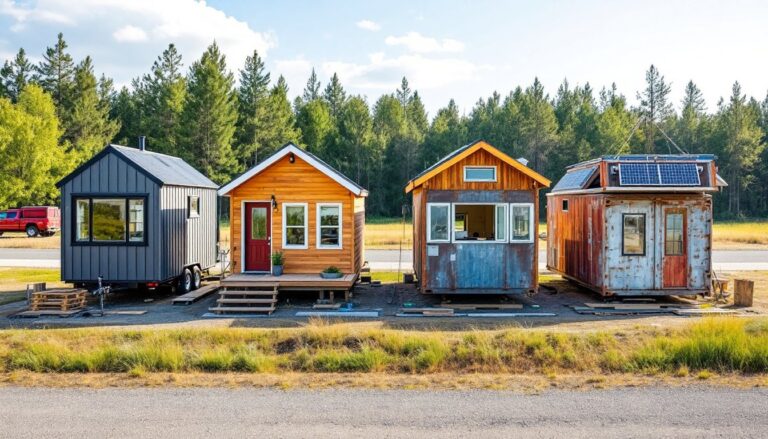
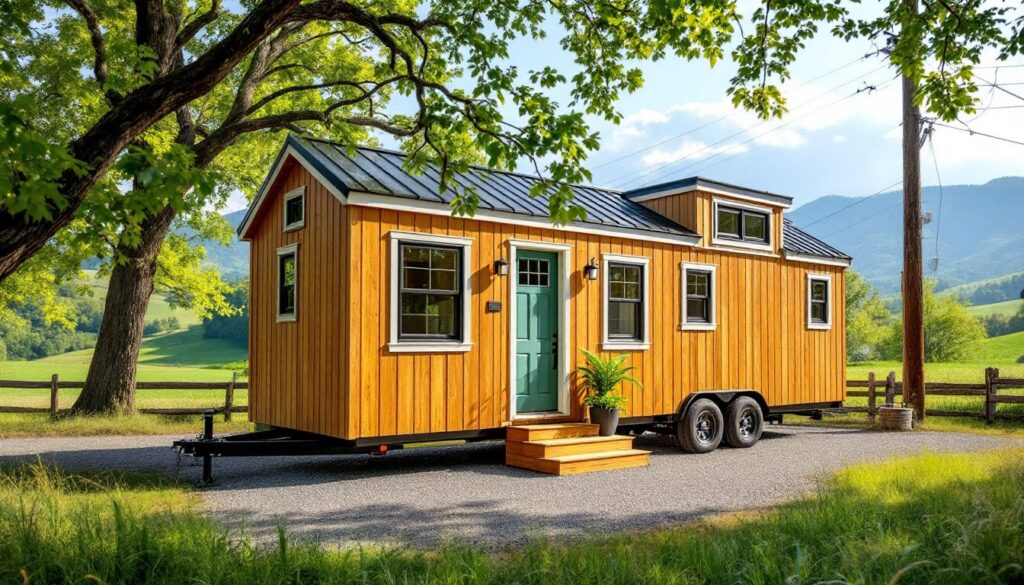
ToggleTennessee has become a destination for buyers chasing affordable, minimalist living without giving up quality or location. The used tiny home market in the state offers everything from RVIA-certified trailers to custom-built park models at prices that undercut new construction by 30% or more. Whether someone’s planning a full-time move or a weekend retreat in the Smokies, buying pre-owned means skipping the 6–12 month build wait and getting a turnkey space that’s already road-tested. This guide walks through where to find listings, what to inspect before signing, and how Tennessee’s zoning landscape affects placement.
Key Takeaways
- Used tiny homes for sale in Tennessee range from $20,000 to $70,000+ and cost 30% or more less than new construction, offering a faster path to minimalist living without long build wait times.
- Tennessee’s lack of state income tax, strategic location at the crossroads of I-40 and I-75, moderate climate, and tourism economy create an active market for pre-owned units in urban areas like Nashville and rural counties with fewer restrictions.
- When inspecting a pre-owned tiny home, prioritize checking the trailer frame for rust and welds, roof and exterior seals to prevent water intrusion, and plumbing/electrical systems—water damage is the leading cause of structural failure.
- Used tiny homes can be financed through RV lenders at 5–9% interest for RVIA-certified models, while non-certified builds often require personal loans, HELOCs, or owner financing due to traditional lender restrictions.
- Zoning rules for tiny homes in Tennessee vary significantly by county and city; always contact your local building and zoning department to confirm whether a tiny home is allowed on your intended property before purchasing.
- Budget an additional $3,000–$8,000 for delivery and setup, plus $3,000–$7,000 for septic installation and $1,000–$5,000 for utility connections when placing a tiny home on raw land.
Why Tennessee Is a Hotspot for Used Tiny Homes
Tennessee’s lack of a state income tax and relatively low property costs make it attractive for anyone downsizing or experimenting with tiny home living. The state sits at the crossroads of I-40 and I-75, making it a logistics hub for builders and resellers moving inventory across the Southeast.
Cities like Nashville, Chattanooga, and Knoxville have growing tiny home communities, and rural counties such as Sevier and Blount offer cheap land with minimal building restrictions. This mix of urban accessibility and rural freedom creates a steady supply of pre-owned units as owners upgrade, relocate, or test the lifestyle before committing long-term.
The state’s four-season climate also supports year-round living in a properly insulated tiny home. Unlike desert or coastal markets where extreme heat or humidity can degrade materials faster, Tennessee’s moderate weather extends the lifespan of wood framing, metal roofing, and vinyl siding, common materials in tiny home construction.
Finally, Tennessee’s tourism economy in areas like Gatlinburg and Pigeon Forge has driven demand for rental-ready tiny homes. Buyers can often find well-maintained units that were used as short-term vacation properties, complete with upgraded finishes and appliances.
Where to Find Used Tiny Homes for Sale in Tennessee
Online Marketplaces and Classifieds
The majority of used tiny home listings appear on Facebook Marketplace, Craigslist, and Tiny House Listings. Facebook Marketplace allows filtering by location and price, and sellers often post detailed photos and build specs. Craigslist remains popular in rural counties where sellers may not use other platforms.
Specialized sites like Tiny House Listings and TinyHouseMarketplace.com aggregate private sales and dealer inventory. These platforms let buyers filter by square footage, trailer type (gooseneck vs. bumper-pull), and certification status (RVIA, NOAH, or non-certified). Listings typically include build year, builder name, and whether the unit is on or off a trailer.
eBay Motors occasionally features tiny homes, especially RVIA-certified models that qualify as recreational vehicles. Buyers can bid or make offers, but they’ll need to arrange transport and inspection independently.
For a broader search, Angi connects buyers with local contractors who sometimes broker used tiny homes or know of private sales in the area.
Local Builders and Dealerships
Several Tennessee-based builders maintain inventories of trade-ins and pre-owned units. Tennessee Tiny Homes in Bethel Springs and Incredible Tiny Homes in Morristown often have customer returns or demo models available at discounts. These units come with partial warranties and known build histories, reducing risk compared to private sales.
RV dealerships in cities like Murfreesboro and Jackson sometimes carry park models and certified tiny homes on trailers. These dealers can arrange financing and may offer inspection services, but expect higher prices than private-party sales.
Local tiny home communities, such as The Preserve near Nashville, maintain bulletin boards or Facebook groups where residents list homes for sale. Buying within a community simplifies zoning and hookup logistics, since the lot is already approved and infrastructure is in place.
What to Look for When Buying a Pre-Owned Tiny Home
Start with the trailer frame. Check for rust, cracks in welds, and proper tongue weight distribution. A 7,000-pound GVWR (Gross Vehicle Weight Rating) is standard for homes under 200 square feet: anything larger should sit on a dual-axle trailer rated for 10,000+ pounds. Confirm that the VIN matches the title and that the frame was built by a reputable manufacturer like Iron Eagle or Tumbleweed.
Inspect the roof and exterior envelope. Metal roofing should be free of dents and have sealed seams: asphalt shingles are less common but should show no missing granules or curling. Check all seams around windows, doors, and roof penetrations for butyl tape or high-quality sealant. Water intrusion is the leading cause of structural failure in tiny homes.
Inside, test all plumbing and electrical systems. Turn on faucets, flush the toilet (if installed), and check for leaks under sinks and around the water heater. Electrical panels should be labeled, with breakers that match amperage requirements (typically 30-amp or 50-amp service for a tiny home). If the home uses a composting toilet or greywater system, ask for maintenance records.
Look for signs of moisture damage: soft spots in flooring, staining on walls or ceilings, and musty odors. Pull back any rugs or loose flooring to inspect the subfloor. Mold remediation is expensive and often not worth the cost in a pre-owned unit.
Ask whether the home meets RVIA or NOAH certification. RVIA-certified homes are built to RV standards and can be financed like an RV: NOAH-certified homes meet the IRC Appendix Q standard for tiny houses. Non-certified builds may be harder to insure and finance, and some RV parks won’t accept them.
Request the original build plans and material receipts if available. Knowing the wall framing (2×4 vs. 2×6), insulation type (spray foam, mineral wool, or fiberglass batts), and window specs (single- vs. double-pane) helps assess energy efficiency and long-term durability.
Finally, bring a mechanic or RV inspector if the home is on a trailer. Tires, axles, and brakes need inspection before towing. Tires older than five years should be replaced regardless of tread depth.
Pricing and Financing Options for Used Tiny Homes in Tennessee
Used tiny homes in Tennessee range from $20,000 for basic 100-square-foot shells to $70,000+ for fully outfitted 400-square-foot models with high-end finishes and off-grid capability. Expect to pay 60–80% of the original build cost, depending on age, condition, and included appliances.
RVIA-certified tiny homes on trailers can be financed through RV lenders like LightStream, Alliant Credit Union, or local credit unions that offer recreational vehicle loans. Loan terms typically run 10–15 years with interest rates between 5% and 9%, depending on credit score and down payment. A 20% down payment is standard.
Non-certified builds are harder to finance through traditional lenders. Some buyers use personal loans or home equity lines of credit (HELOCs) if they own other property. Interest rates on personal loans can reach 12–15%, so cash purchases are common in the used market.
For lower-cost units, sellers may offer owner financing with a promissory note and lien on the title. Negotiate terms upfront: typical arrangements include 10–20% down and 3–5 year payoff periods at 6–10% interest.
Budget an additional $3,000–$8,000 for delivery and setup. Moving a tiny home more than 100 miles often requires a commercial tow vehicle or specialized hauler. Setup costs include leveling, skirting, utility hookups, and any required permits.
Zoning Laws and Placement Considerations in Tennessee
Tennessee has no statewide tiny home regulations, so zoning rules vary by county and city. Some jurisdictions classify tiny homes on wheels as RVs, limiting them to RV parks or properties zoned for recreational vehicles. Others allow them as accessory dwelling units (ADUs) on parcels with an existing primary residence.
In Nashville-Davidson County, tiny homes must meet minimum square footage requirements (typically 320 square feet for a dwelling unit) unless classified as an ADU. ADUs are allowed in certain residential zones but require a building permit and must connect to city water and sewer.
Chattanooga permits tiny homes on foundations in residential zones, provided they meet IRC building codes. Homes on trailers are restricted to RV parks or agricultural land zoned for temporary structures.
Rural counties like Putnam, DeKalb, and Smith have fewer restrictions. Many allow tiny homes on private land as long as they meet setback requirements (typically 10–25 feet from property lines) and pass septic and electrical inspections.
Before purchasing, contact the local building and zoning department to confirm whether a tiny home is allowed on the intended property. Ask specifically about:
- Minimum square footage for a dwelling unit
- Foundation requirements (permanent vs. wheels)
- Utility connection mandates (city sewer vs. septic, grid vs. off-grid)
- Parking or storage restrictions for homes on trailers
Some buyers place their tiny homes in dedicated tiny home communities or RV resorts, which handle permitting and utilities. Monthly lot fees range from $300 to $800, depending on location and amenities.
If placing a tiny home on raw land, budget for site prep: clearing, grading, gravel pad installation, and utility trenching. Septic system installation costs $3,000–$7,000 depending on soil conditions and local health department requirements. Running electric service from the road can add another $1,000–$5,000 per pole if the property lacks existing infrastructure.
For those comparing options, understanding tiny homes versus traditional construction clarifies when a tiny home makes sense versus a stick-built cottage. Similarly, reviewing construction techniques helps buyers assess build quality in pre-owned units.
Anyone considering a DIY build instead of buying used should research building from scratch to compare timelines and costs. For design inspiration, browsing real-world examples shows what’s possible in different square footages and budgets. Staying current on emerging trends also helps buyers spot features that improve resale value.
Finally, check whether the property sits in a flood zone using FEMA flood maps. Tiny homes on trailers can be towed to safety, but insurance requirements and foundation restrictions change in high-risk areas.