Table of Contents
TogglePaducah, Kentucky, sits at the confluence of the Tennessee and Ohio rivers, offering a mix of riverfront living and small-town affordability. For buyers priced out of traditional housing or seeking a simpler lifestyle, tiny homes present a practical alternative. The local market is expanding, whether someone wants a mobile dwelling on a trailer chassis or a permanent foundation-built structure. This guide covers what’s available, where to find inventory, and the legal and financial realities that come with buying a tiny home in McCracken County.
Key Takeaways
- Tiny homes for sale in Paducah, KY range from $40,000 to $120,000, offering 15–20% lower costs compared to traditional homes while reducing property taxes and utility expenses.
- Park models, shipping container conversions, and foundation-built structures each present different financing, zoning, and mobility trade-offs that buyers must evaluate against long-term goals.
- Paducah’s zoning code currently lacks a blanket tiny-home ordinance, requiring buyers to verify RV classification rules and ADU standards with the Planning Department before purchase.
- Foundation-built tiny homes must meet IRC Appendix Q standards, including minimum 120 square feet per floor and 6-foot-8-inch ceiling height, to qualify as legal dwellings and access traditional mortgage financing.
- RV financing for certified tiny homes on wheels offers 10–15 year terms at 6–9% interest, while construction-to-permanent loans provide options for custom builds on owned land.
- Before buying, inspect trailer integrity, verify GVWR ratings, confirm proper electrical/plumbing installations, and request building permits and RVIA certification documentation to avoid compliance and durability issues.
Why Tiny Homes Are Growing in Popularity in Paducah
Paducah’s cost of living runs about 15–20% below the national average, making it attractive for retirees, remote workers, and first-time buyers. Traditional single-family homes in the area average between $180,000 and $240,000 as of early 2026, pricing some buyers out of the market entirely.
Tiny homes, typically 400 square feet or less, offer a lower price point, often ranging from $40,000 to $120,000 depending on finishes, foundation type, and whether the unit is DIY-built or professionally constructed. Lower property taxes, reduced utility bills, and minimal maintenance appeal to those downsizing or seeking financial flexibility.
The region’s temperate climate supports year-round living in smaller structures without extreme winterization costs. Paducah’s position along the riverfront also attracts buyers interested in sustainable or minimalist lifestyles, and the city’s arts district brings a creative community that values alternative housing models.
Local builders and resellers have noticed the uptick. A handful of regional fabricators now offer custom builds, and several RV dealerships and specialty lots have added tiny homes to their inventory. Understanding smart design approaches helps maximize limited square footage without sacrificing function.
Types of Tiny Homes Available in the Paducah Area
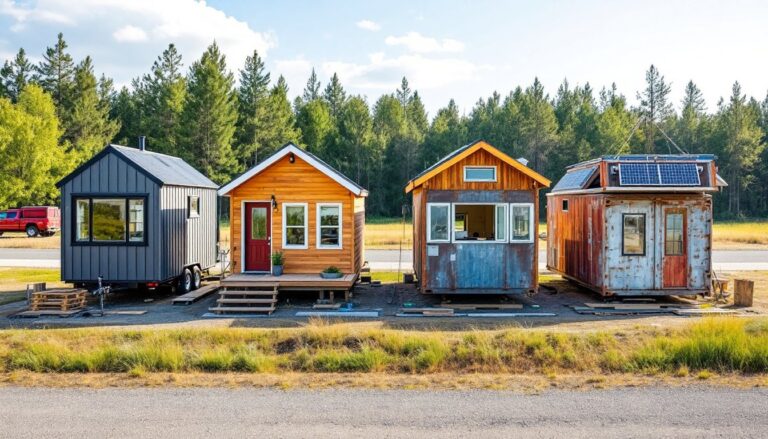
Tiny home inventory in Paducah includes park models, custom builds, converted shipping containers, and traditional stick-built structures on permanent foundations. Each type carries distinct trade-offs in mobility, zoning compliance, and resale value.
Park models are factory-built units on a trailer chassis, certified to ANSI A119.5 standards. They’re designed for seasonal or recreational use but can serve as primary residences in compliant jurisdictions. Expect widths of 8 to 8.5 feet when road-legal, with lengths up to 400 square feet once slide-outs are deployed.
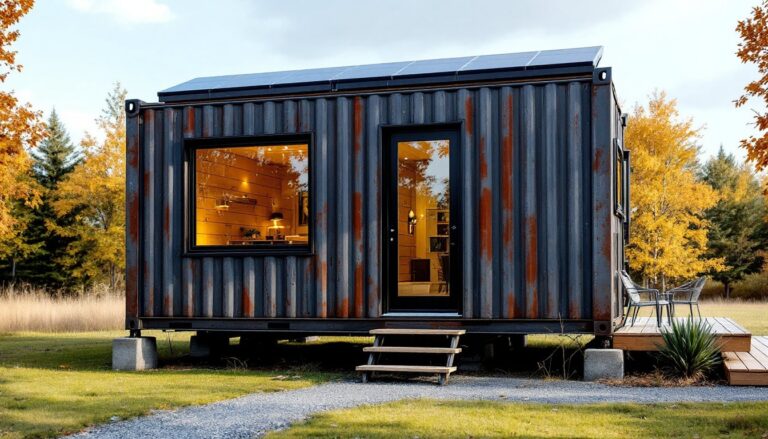
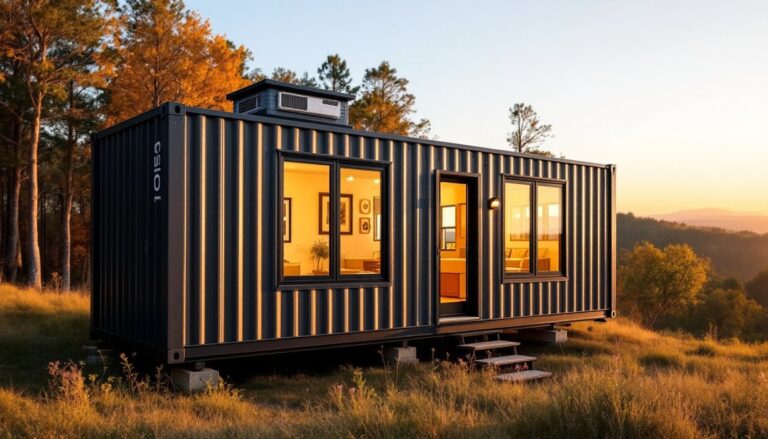
Shipping container homes have gained traction for their structural durability and industrial aesthetic. A single 20-foot container provides roughly 160 square feet: a 40-foot unit doubles that. Insulation, HVAC, and interior framing add cost and complexity. Container homes require engineered foundation plans and often need professional welding or steel fabrication.
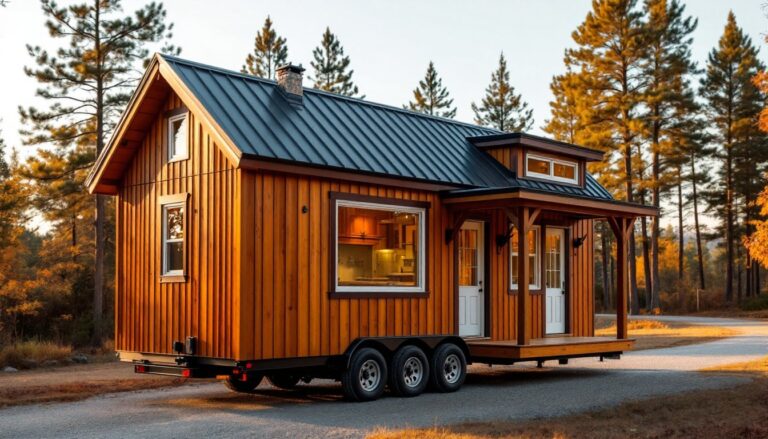
Custom stick-built tiny homes on skids or permanent foundations offer the most design flexibility. Builders use standard 2×4 or 2×6 framing, allowing conventional insulation, wiring, and plumbing. These units can meet International Residential Code (IRC) Appendix Q standards for tiny houses, which simplifies permitting in some jurisdictions.
Tiny Houses on Wheels vs. Foundation-Built Models
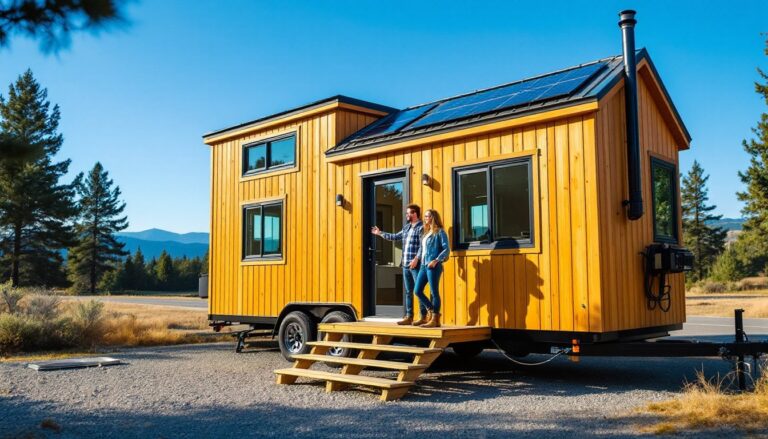
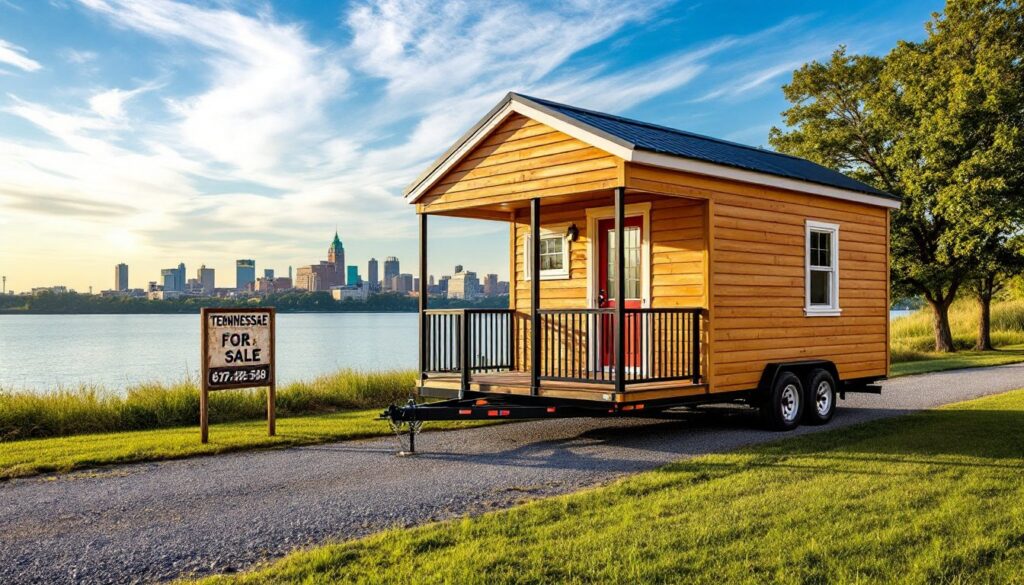
Tiny houses on wheels (THOWs) are legally classified as RVs when certified to RVIA or NOAH standards. This classification affects where they can be parked, financed, and insured. THOWs built on a trailer with a gooseneck or bumper-pull hitch are mobile but require a 3/4-ton or larger truck for towing. The trailer itself adds 2,000–3,000 pounds to the total weight.
Foundation-built models sit on permanent piers, slabs, or crawl spaces. They’re subject to local building codes, zoning ordinances, and property tax assessments as real property. Financing options improve significantly when the home qualifies as a dwelling on permanent land, and resale follows traditional real estate channels. Exploring creative small-space designs can inspire both mobile and stationary builds.
Where to Find Tiny Homes for Sale in Paducah, KY
Inventory is scattered across specialty dealers, private sellers, and regional builders. Start with these channels:
- Local RV dealerships: Several lots along US-60 and I-24 now stock park models and certified tiny homes. Sales staff can clarify RVIA compliance and warranty coverage.
- Custom builders: Regional fabricators in western Kentucky and southern Illinois offer turnkey builds or shell kits for owner finish-out. Request references and verify licensing.
- Online marketplaces: Sites like Tiny House Listings, Facebook Marketplace, and Craigslist feature both new and used inventory. Inspect any used unit in person: amateur builds may lack code compliance or proper framing.
- Land-and-home packages: A few rural properties in McCracken and surrounding counties are marketed with tiny homes already sited. Verify that the dwelling has a certificate of occupancy and meets local zoning.
When evaluating a used tiny home, check for proper trailer registration, frame condition (look for rust or weld cracks), and whether utilities are roughed-in or fully installed. Many tiny homes on design platforms like Apartment Therapy showcase finished interiors but omit critical build details.
If considering a DIY build, factor in tool requirements: a compound miter saw, circular saw, cordless drill/driver, framing nailer, and level are baseline. Electrical and plumbing work may require licensed subs depending on jurisdiction.
Zoning and Legal Considerations for Tiny Home Living in Paducah
Zoning is the biggest hurdle for tiny home buyers in Paducah and McCracken County. The city does not have a blanket tiny-home ordinance, so compliance depends on how the dwelling is classified.
RV/THOW parking: Paducah’s zoning code generally prohibits using an RV or travel trailer as a primary residence in residential zones. Some R-1 and R-2 districts allow accessory dwelling units (ADUs), but size, setback, and utility connection standards apply. Check with the Paducah-McCracken County Planning Department before purchasing.
Foundation-built tiny homes: If the structure meets IRC Appendix Q, minimum 120 square feet per floor, 6-foot-8-inch ceiling height, egress windows, and loft ladder/stair standards, it may qualify as a legal dwelling. Permit review will include structural, electrical, and mechanical inspections. Expect plan review fees around $200–$400 and inspection costs of $150–$300 per trade.
Septic and water: City sewer and water are available within municipal limits. Rural parcels require a septic permit from the health department, typically $300–$500, plus installation costs of $3,000–$7,000 for a conventional system. Well drilling adds another $5,000–$10,000 depending on depth and geology.
Electrical service: The utility provider (Paducah Power System or Kentucky Utilities) requires a service disconnect and meter base installed by a licensed electrician. Temporary or substandard wiring won’t pass inspection. Comparing tiny homes versus traditional builds highlights these code differences.
Insurance and titles: THOWs on trailers are insured as RVs: foundation models as real property. Confirm coverage before closing. Some insurers won’t cover owner-built units without third-party inspections.
Financing Your Tiny Home Purchase in Kentucky
Traditional mortgages don’t apply to tiny homes on wheels. Financing options depend on whether the home is titled as an RV, personal property, or real estate.
RV loans: THOWs certified by RVIA or NOAH qualify for RV financing through banks and credit unions. Terms run 10–15 years with interest rates around 6–9% as of early 2026. Down payments of 10–20% are standard. Some lenders cap loan amounts at $50,000–$100,000, which suits most tiny home price points.
Personal loans: Unsecured personal loans cover smaller builds or used units but carry higher rates, often 8–12%, and shorter terms of 5–7 years. Monthly payments can be steep: run the numbers before committing.
Construction loans: For custom foundation-built homes, a construction-to-permanent loan finances the build phase and converts to a mortgage at completion. The tiny home must sit on land the buyer owns, and final appraisal must meet minimum dwelling standards. Rates and terms mirror conventional mortgages, 15- or 30-year fixed, currently around 6.5–7.5%.
Cash purchases: Many tiny home buyers pay cash, avoiding interest and simplifying the transaction. If liquidity is tight, consider a phased build: frame and shell first, then finish interior as funds allow. For more guidance, reviewing building methods for compact homes clarifies cost breakdowns.
Land financing: If purchasing raw land separately, expect higher interest rates and shorter terms (10–15 years). Lenders view unimproved land as higher risk.
What to Look for When Buying a Tiny Home in Paducah
Inspecting a tiny home requires the same diligence as any real estate purchase, plus attention to trailer and mobility-specific details.
Structural integrity: Check floor joists, wall studs, and roof trusses for proper spacing and fastening. Tiny homes built on trailers should use hurricane straps or metal brackets to secure framing to the chassis. Look for 2×6 or larger floor joists over a trailer frame: 2×4 joists can sag under load.
Trailer and axles: Verify the trailer’s gross vehicle weight rating (GVWR) matches or exceeds the home’s loaded weight. Rust on the frame or axles is a red flag. Tires should be load-range D or E and rated for the total weight. Brakes, either electric or hydraulic, are required in most states for trailers over 3,000 pounds.
Plumbing and electrical: All wiring should be Romex or conduit, not lamp cord or extension cables. Breaker panel should be properly labeled and sized for anticipated load, typically 100-amp service for a full-time residence. Plumbing should use PEX or copper, not garden hose. Verify that wastewater routing meets code (no direct discharge to ground).
Insulation and moisture control: Look for spray foam, rigid foam, or batt insulation rated for the climate zone. Kentucky falls in Climate Zone 4, requiring wall insulation of at least R-13 and ceiling insulation of R-38 per IRC guidelines. Check for vapor barriers and proper ventilation to prevent condensation and mold, especially in loft sleeping areas.
Finish quality: Cabinets, countertops, and flooring should be secure and level. Luxury vinyl plank (LVP) or laminate flooring work well in tiny homes: real hardwood can shift with road travel. Windows should seal tightly: dual-pane units improve energy efficiency.
Compliance and documentation: Request copies of any building permits, inspection reports, RVIA certification, or engineering stamps. If the seller can’t provide documentation, walk away or budget for third-party inspection and potential rework. Exploring real-world compact living examples offers benchmarks for quality and design.
Before committing, visit the home during the day and evening to assess natural light, noise levels, and neighborhood fit. If it’s a THOW, confirm the seller has the title and registration in hand. For foundation models, order a title search and survey to verify property boundaries and easements. Home renovation shows on HGTV often feature tiny home builds but rarely cover permitting or long-term durability: prioritize practical inspections over aesthetic appeal. For additional planning insights, checking out essential tips for small living can prevent costly oversights.
Tiny home living in Paducah is achievable with the right research, realistic budgeting, and attention to local regulations. Buyers who do their assignments can find quality inventory, secure appropriate financing, and navigate zoning without surprises. Whether choosing a mobile THOW or a foundation-built model, the key is matching the home type to long-term goals, and ensuring every detail, from trailer axles to insulation values, meets both code and comfort standards.