Table of Contents
ToggleLearning how to build a tiny home opens doors to affordable, sustainable living. Tiny homes typically measure between 100 and 400 square feet. They cost significantly less than traditional houses, often between $30,000 and $60,000 for a DIY build. This guide covers every step beginners need to know. From foundation choices to zoning laws, readers will gain practical knowledge to start their tiny home project with confidence.
Key Takeaways
- Building a tiny home typically costs between $30,000 and $60,000 for a DIY project, offering significant savings over traditional housing.
- Tiny homes come in three main styles: tiny houses on wheels (THOWs), foundation-based structures, and converted spaces like shipping containers or buses.
- Set aside 15-20% extra in your budget for unexpected expenses, as tiny home builds often encounter hidden costs.
- Foundation choice matters—trailer foundations offer mobility and fewer permits, while permanent foundations may qualify your tiny home as an ADU.
- Always research local zoning laws and building codes before starting, as legal requirements for tiny homes vary significantly by location.
- A DIY tiny home build takes 6-12 months working weekends, while full-time construction can finish in 2-4 months.
Understanding Tiny Home Basics
A tiny home is a small dwelling that maximizes space efficiency. Most tiny homes range from 100 to 400 square feet, though some stretch to 600 square feet. These compact structures serve as primary residences, vacation retreats, or rental properties.
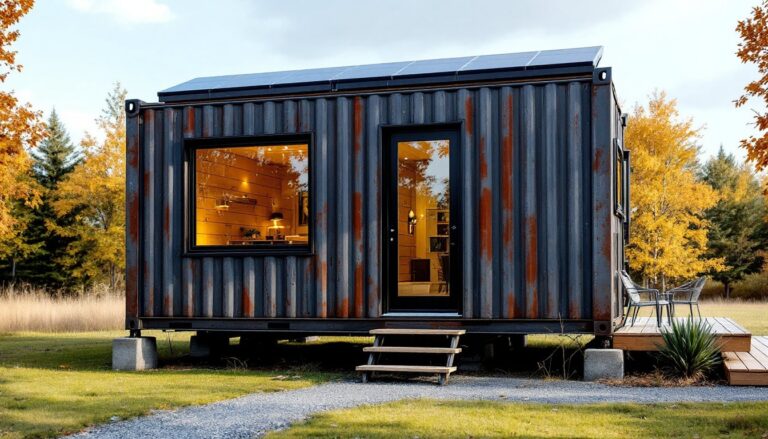
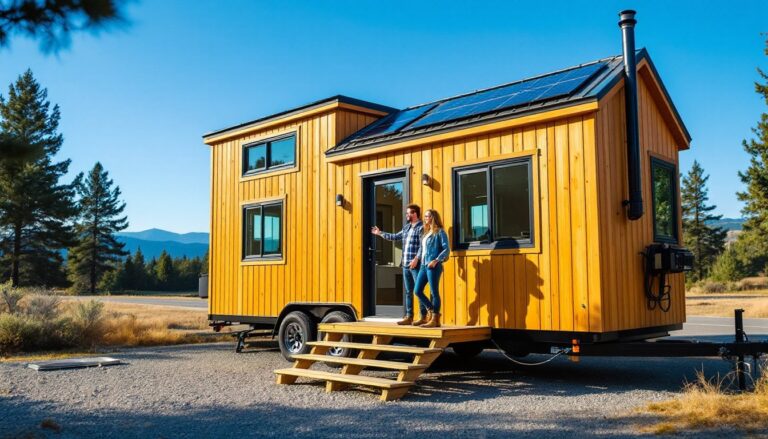
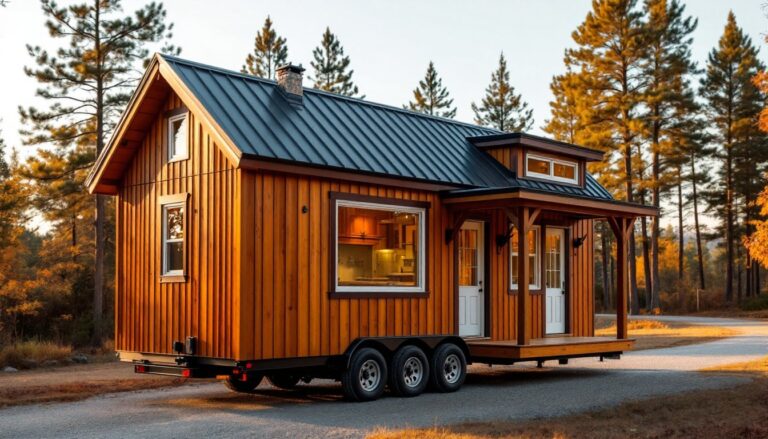
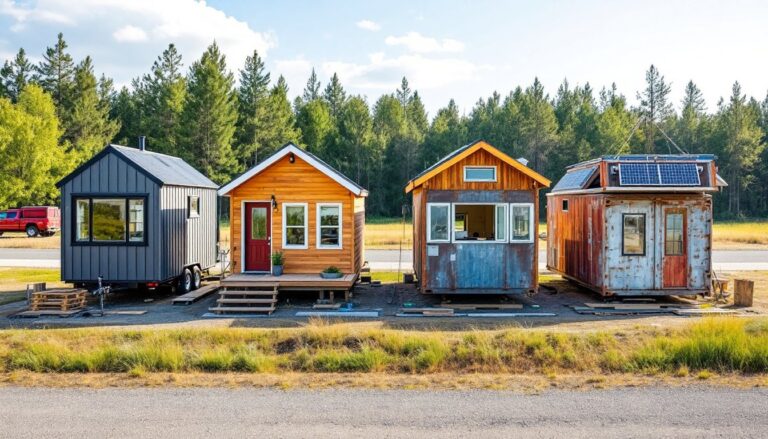
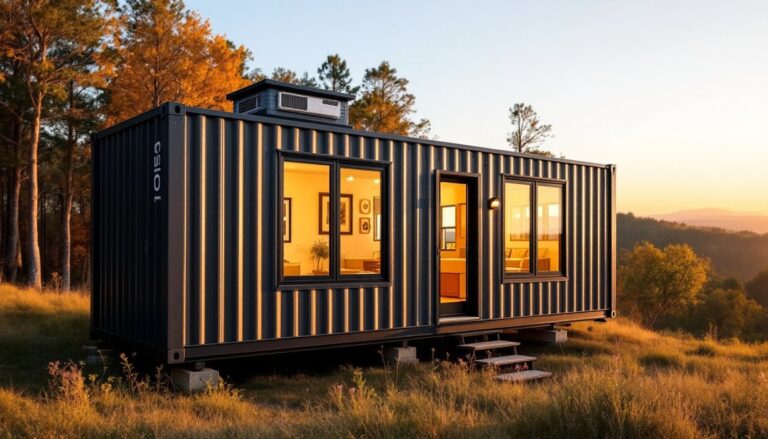
Tiny homes come in several styles. Tiny houses on wheels (THOWs) sit on trailers, offering mobility and flexibility. Foundation-based tiny homes attach permanently to land, similar to traditional construction. Converted structures transform shipping containers, buses, or sheds into livable spaces.
Why do people choose tiny homes? The reasons vary:
- Lower costs: Building and maintaining a tiny home costs a fraction of a standard house
- Reduced environmental impact: Smaller spaces use less energy and fewer materials
- Simplified lifestyle: Less space means fewer possessions and easier upkeep
- Financial freedom: Many tiny homeowners eliminate mortgage debt entirely
Understanding these basics helps future builders decide which tiny home type fits their needs. Someone who values mobility might prefer a tiny house on wheels. A person planning to settle permanently may choose a foundation-based structure.
Planning Your Tiny Home Project
Successful tiny home projects start with careful planning. Before buying materials or breaking ground, builders should address several key questions.
Setting a Realistic Budget
Tiny home costs vary widely. A basic DIY build might cost $15,000 to $30,000. A custom tiny home with high-end finishes can exceed $100,000. Builders should list every expense: materials, tools, permits, land costs, and utility connections.
Setting aside 15-20% extra for unexpected expenses prevents budget disasters. Tiny home builds often encounter surprises, hidden material costs, permit fees, or design changes.
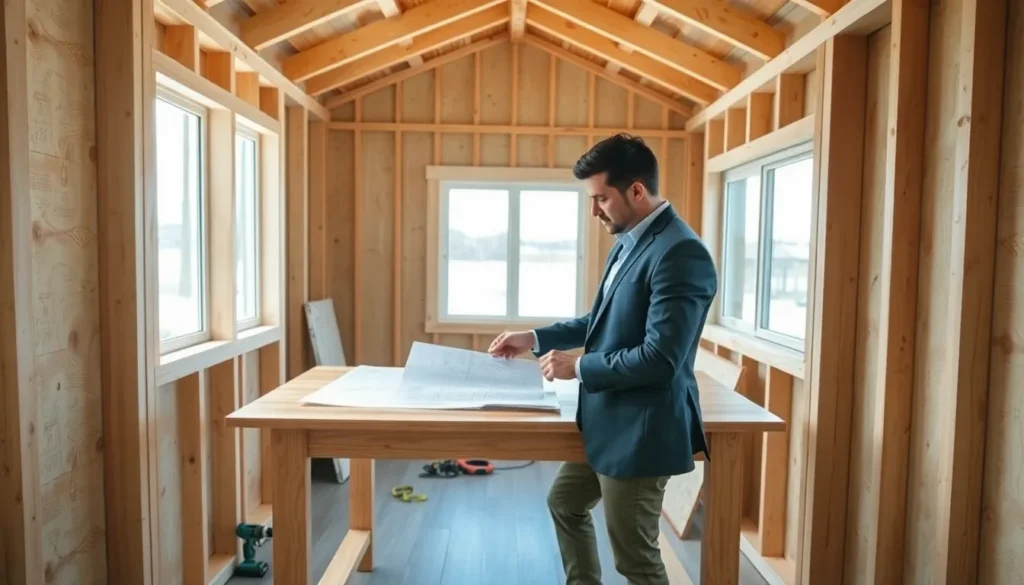
Creating Floor Plans
Tiny home floor plans require strategic thinking. Every square foot matters. Builders should consider:
- Sleeping arrangements (loft beds save floor space)
- Kitchen placement and appliance sizes
- Bathroom location and plumbing access
- Storage solutions built into walls and stairs
- Natural light through windows and skylights
Many builders sketch multiple layouts before committing. Software tools like SketchUp help visualize designs in 3D. Professional tiny home plans cost between $200 and $1,000 and save time for beginners.
Timeline Expectations
Building a tiny home takes time. A DIY builder working weekends might need 6-12 months. Full-time construction can finish in 2-4 months. Professional builders complete tiny homes in 4-8 weeks.
Realistic timelines prevent frustration. Rushing leads to mistakes, and mistakes cost money.
Choosing the Right Foundation Type
The foundation determines whether a tiny home stays mobile or remains fixed. This choice affects legal requirements, building methods, and long-term flexibility.
Trailer Foundations
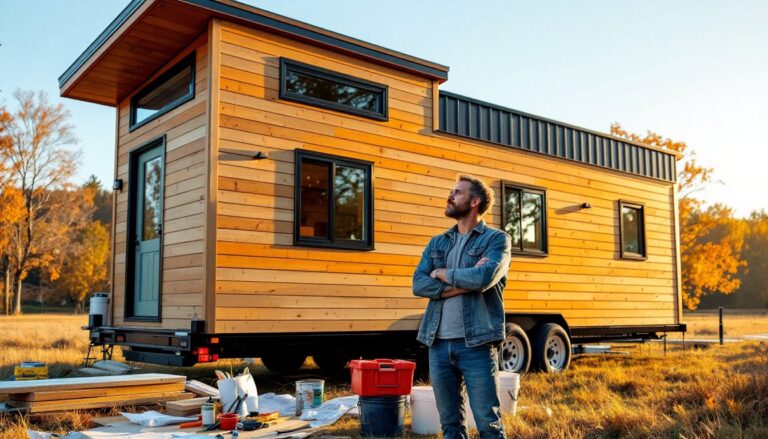
Tiny houses on wheels use flatbed trailers as their base. These trailers must support the entire structure’s weight, typically 10,000 to 15,000 pounds when finished. Purpose-built tiny home trailers cost $4,000 to $8,000.
Trailer foundations offer advantages:
- Mobility to relocate the home
- Fewer permit requirements in many areas
- Option to register as an RV rather than a building
But, trailer-based tiny homes face weight limits. Most builders stay under 13.5 feet tall and 8.5 feet wide to comply with road regulations.
Permanent Foundations
Foundation-based tiny homes attach to land like traditional houses. Common foundation types include:
- Concrete slabs: Flat, poured concrete surfaces
- Pier foundations: Concrete blocks or posts supporting the structure
- Crawl space foundations: Raised structures with accessible space underneath
Permanent foundations typically require building permits. They also qualify tiny homes as Accessory Dwelling Units (ADUs) in many jurisdictions, opening legal placement options.
Essential Building Steps and Materials
Building a tiny home follows a logical sequence. Skipping steps or using substandard materials creates problems later.
Framing the Structure
Framing creates the tiny home’s skeleton. Most builders use 2×4 lumber for walls and 2×6 lumber for floors and roofs. Steel framing offers durability but costs more and requires specialized tools.
Wall studs typically space 16 inches apart. This spacing supports drywall, provides room for insulation, and meets most building codes.
Insulation and Weather Protection
Proper insulation keeps tiny homes comfortable year-round. Popular insulation options include:
- Spray foam: Excellent R-value per inch, seals air gaps
- Fiberglass batts: Affordable, easy to install
- Rigid foam boards: Good for thin walls where space is limited
After insulation, builders install a weather-resistant barrier. This layer prevents moisture from entering walls while allowing vapor to escape.
Electrical and Plumbing Systems
Tiny homes need electrical and plumbing systems. Grid-connected tiny homes use standard residential wiring. Off-grid builds rely on solar panels, batteries, and inverters.
Plumbing options include:
- Traditional connections to municipal water and sewer
- Water tanks and composting toilets for off-grid living
- Gray water systems that recycle sink and shower water
Many jurisdictions require licensed professionals for electrical and plumbing work. DIY builders should research local requirements before proceeding.
Interior Finishing
Interior finishing transforms a shell into a home. This phase includes installing flooring, hanging drywall or paneling, painting, and adding fixtures. Builders often spend 30-40% of their budget on interior finishing.
Legal Considerations and Zoning Laws
Legal requirements vary significantly by location. What’s allowed in rural Oregon might be prohibited in suburban Texas. Builders must research local rules before starting construction.
Zoning Regulations
Zoning laws dictate where tiny homes can legally exist. Many areas classify tiny homes based on their foundation type:
- Tiny houses on wheels: Often categorized as RVs or trailers
- Foundation-based tiny homes: Usually classified as ADUs or single-family dwellings
Some cities have adopted tiny home-friendly ordinances. Fresno, California allows tiny homes as backyard dwellings. Portland, Oregon permits tiny houses in designated villages. Other areas maintain strict minimum square footage requirements that exclude tiny homes.
Building Codes and Permits
Building codes ensure structures meet safety standards. Tiny homes on wheels may follow RV Industry Association (RVIA) standards. Foundation-based tiny homes typically must meet local building codes or the International Residential Code (IRC).
Permit requirements depend on location and foundation type. Some areas require:
- Building permits for construction
- Electrical permits for wiring
- Plumbing permits for water systems
- Occupancy permits before moving in
Finding Legal Placement
Finding a legal spot for a tiny home takes research. Options include:
- Purchasing rural land with minimal restrictions
- Renting space in established tiny home communities
- Placing the home as an ADU on family property
- Using RV parks (for tiny houses on wheels)
Builders should contact local planning departments early. A quick conversation can reveal restrictions and save months of wasted effort.