Table of Contents
ToggleTiny homes have become a major housing trend across the United States. These compact dwellings typically measure under 400 square feet and offer an alternative to traditional housing. More people choose tiny homes each year for financial freedom, environmental reasons, and simpler lifestyles. This guide covers everything from basic definitions to practical considerations for those interested in small-space living.
Key Takeaways
- Tiny homes typically measure 100–400 square feet and cost between $30,000–$60,000, offering significant savings compared to traditional housing.
- Living in a tiny home can reduce monthly utility bills to under $50 and eliminates or drastically cuts mortgage payments.
- Tiny homes come in several types, including mobile units on wheels, foundation-built structures, shipping container conversions, and accessory dwelling units (ADUs).
- Zoning laws and financing limitations are the biggest challenges—research local regulations and explore personal loans or RV financing options before committing.
- Test tiny home living by renting one for a week or visiting tiny home communities to ensure the lifestyle fits your needs before making a purchase.
What Is a Tiny Home
A tiny home is a residential structure that measures between 100 and 400 square feet. These small dwellings come in various forms, from mobile units on wheels to permanent foundations. The tiny home movement began gaining momentum in the early 2000s as housing costs rose and environmental awareness grew.
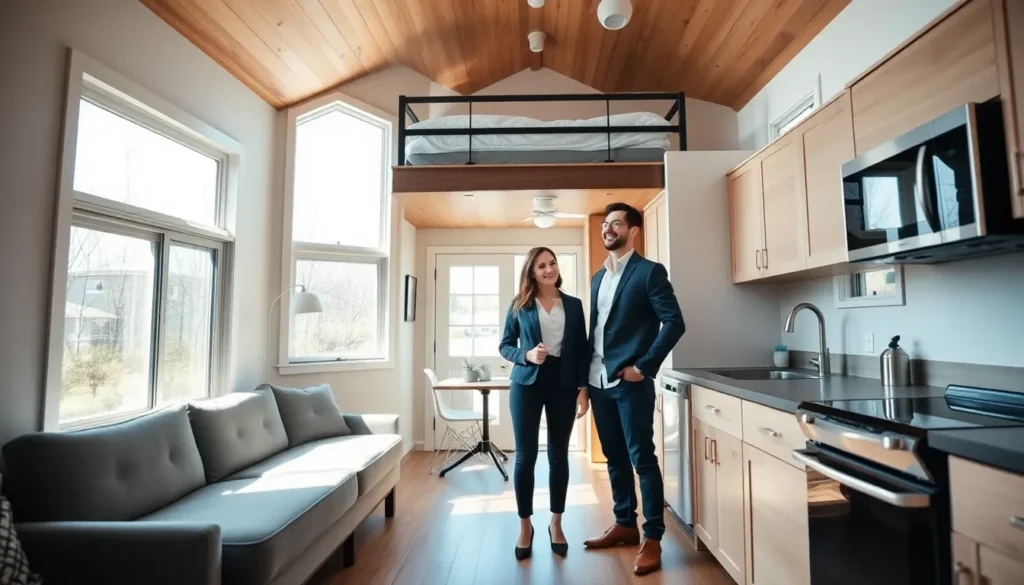
Tiny homes maximize every inch of space through smart design. They include multi-purpose furniture, lofted sleeping areas, and compact appliances. A typical tiny home contains a kitchen, bathroom, living space, and sleeping area, all within a footprint smaller than most studio apartments.
The average American home measures around 2,300 square feet. Tiny homes use roughly 85% less space. This dramatic size reduction forces owners to prioritize possessions and adopt minimalist habits. Many tiny home owners report feeling more satisfied with less stuff.
These compact structures appeal to diverse groups. Young professionals use them to avoid mortgage debt. Retirees downsize for easier maintenance. Environmental advocates appreciate their smaller carbon footprint. The tiny home concept works for anyone willing to embrace smaller living quarters.
Benefits of Living in a Tiny Home
Financial savings stand out as the primary benefit of tiny home living. A tiny home costs between $30,000 and $60,000 on average. Compare that to the median U.S. home price of over $400,000. Many tiny home owners eliminate mortgage payments entirely and redirect funds toward savings, travel, or experiences.
Monthly expenses drop significantly in tiny homes. Utility bills often fall below $50 per month. Property taxes decrease with smaller square footage. Insurance premiums cost less for compact structures. These ongoing savings add up to thousands of dollars each year.
Environmental benefits make tiny homes attractive to eco-conscious buyers. Smaller spaces require less energy for heating and cooling. Tiny homes use fewer building materials during construction. Many owners install solar panels, composting toilets, and rainwater collection systems. The reduced consumption aligns with sustainable living goals.
Tiny homes offer surprising lifestyle advantages. Less space means less cleaning and maintenance. Owners spend more time outdoors and in their communities. The forced minimalism helps people focus on experiences rather than possessions. Many tiny home residents describe feeling liberated from the burden of excess belongings.
Mobility appeals to those who value flexibility. Tiny homes on wheels can travel to new locations. Owners change scenery without selling property or breaking leases. This freedom suits remote workers, seasonal travelers, and adventure seekers.
Types of Tiny Homes
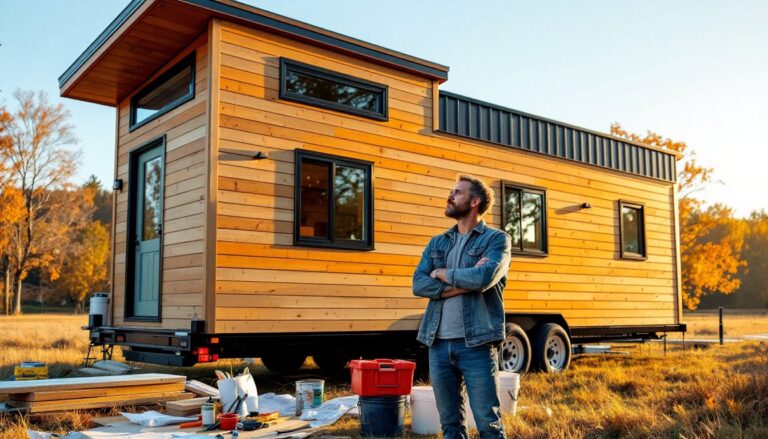
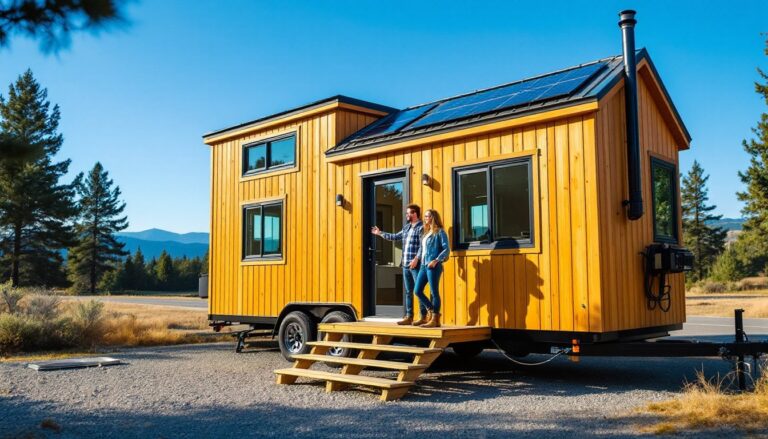
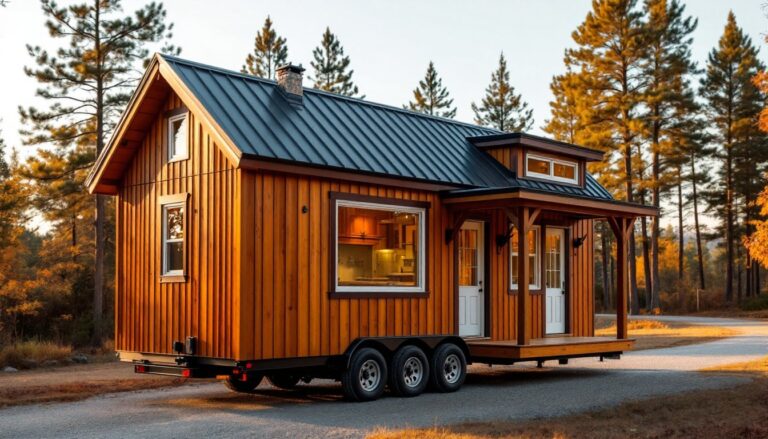
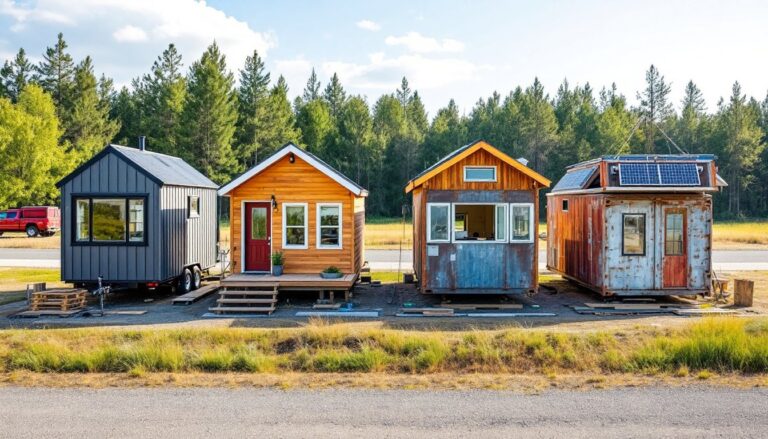
Tiny homes on wheels represent the most recognizable category. These mobile structures sit on trailers and can be towed between locations. They typically range from 100 to 300 square feet. Owners must follow trailer regulations and RV parking rules. This type offers maximum flexibility but requires finding legal parking spots.
Foundation-built tiny homes sit permanently on land. These structures follow local building codes for traditional homes. They range from 200 to 400 square feet and offer more stability than mobile options. Owners gain access to standard utilities and often face fewer zoning restrictions.
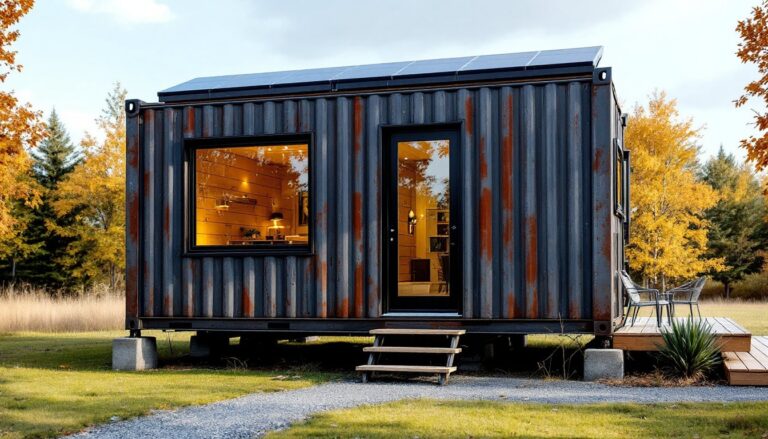
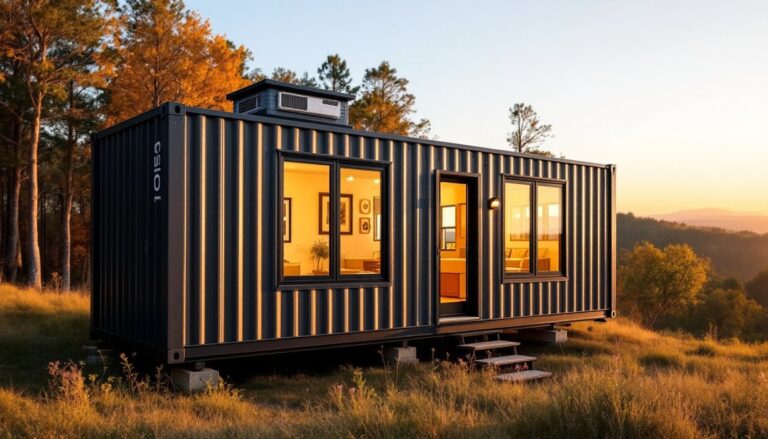
Shipping container homes repurpose steel cargo containers into living spaces. A standard container provides 160 square feet of floor space. Multiple containers can be combined for larger layouts. These structures appeal to those who value industrial aesthetics and recycled materials.
Accessory dwelling units (ADUs) add tiny living spaces to existing properties. These backyard cottages, garage conversions, or basement apartments function as secondary residences. ADUs help homeowners generate rental income or house family members. Many cities have relaxed regulations to encourage ADU construction.
Prefab tiny homes arrive partially or fully assembled from manufacturers. Buyers select from catalog designs and receive completed structures within weeks. This option reduces construction time and often costs less than custom builds. Quality varies significantly between manufacturers.
Key Considerations Before Going Tiny
Zoning laws create the biggest obstacle for tiny home buyers. Many municipalities lack specific regulations for tiny homes. Some areas prohibit full-time residence in structures under certain square footage. Prospective owners must research local codes before purchasing or building. Rural areas generally offer more flexibility than urban zones.
Storage limitations require honest self-assessment. Tiny homes cannot accommodate large wardrobes, extensive collections, or bulky equipment. Future owners should practice downsizing before committing. Most people need to eliminate 70% or more of their possessions.
Relationship dynamics change in tiny homes. Couples and families share tight quarters with minimal privacy. Partners should discuss expectations and test small-space living before investing. Some relationships thrive in close quarters while others struggle.
Financing options remain limited for tiny homes. Traditional mortgages rarely apply to structures under 400 square feet. Buyers often use personal loans, RV loans, or cash purchases. Interest rates typically run higher than conventional mortgages. Some tiny home builders offer in-house financing.
Resale value presents uncertainty. The tiny home market lacks the stability of traditional real estate. Custom builds may not appeal to future buyers. Location restrictions limit potential purchasers. Owners should view tiny homes as lifestyle choices rather than investment properties.
Is a Tiny Home Right for You
Tiny home living suits specific personality types and life circumstances. Those who value experiences over possessions adapt well. Minimalists find tiny homes a natural fit. People comfortable with unconventional choices handle the social aspects more easily.
Financial goals often drive tiny home decisions. Individuals seeking debt-free living benefit most. Those saving for early retirement use tiny homes to accelerate their timeline. Budget-conscious buyers stretch their dollars further in compact spaces.
Career flexibility matters for tiny home owners. Remote workers can take advantage of mobile tiny homes. Location-independent professionals enjoy the freedom to relocate. Those tied to specific job sites need permanent tiny home arrangements.
Lifestyle preferences should guide the decision. Outdoor enthusiasts who spend little time indoors adapt quickly. Homebodies who enjoy hosting guests may feel constrained. Introverts often appreciate the cozy atmosphere while extroverts might feel isolated.
Practical testing helps clarify the decision. Renting a tiny home for a week reveals daily realities. Living in a small apartment provides similar insights. Visiting tiny home communities allows conversations with current residents. These experiences prevent costly mistakes.